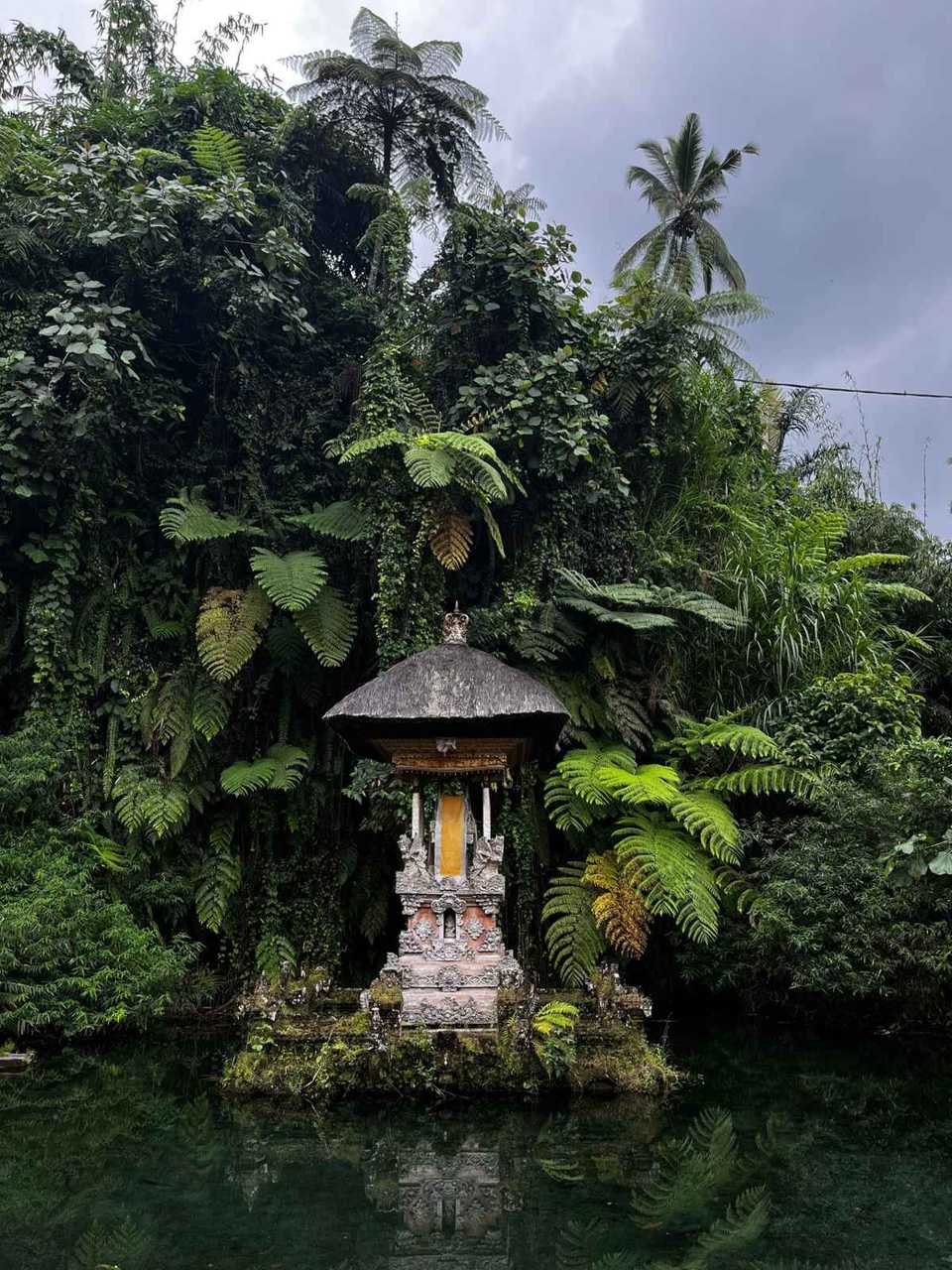
March is Bali’s most culturally dramatic month. It is when the Balinese Hindu new year, Nyepi, usually falls: a full day of silence, with the airport closed and every street empty. It is also the tail of the wet season, so rain still arrives, but it eases noticeably by the end of the month.
The country-wide overview is in our visiting Indonesia in March guide. Below is the Bali-specific plan, and the year at a glance is in best time to visit Bali.
Nyepi Dates and What Happens
Nyepi is on 8 March 2027 (19 March in 2026). The timeline is the same each year: Melasti purification processions to the sea in the days before, the ogoh-ogoh parade on the evening before Nyepi, then 24 hours of silence from 6am. During that period there is no travel, no lights visible from outside, no work and no entertainment, and the international airport closes. Guests stay inside their hotels, which are expected to follow the rules. The day after, Ngembak Geni, life resumes.
Our Nyepi Day of Silence guide covers airport, hotel and logistics in detail. The practical advice is simple: do not schedule a flight on the day, book a hotel that stays open and has food on site, and stock water before the evening.
Ogoh-Ogoh and Melasti
The evening before Nyepi, village teams parade giant papier-mache demons through the streets with torches, gamelan and noise, and then burn them. Denpasar has the biggest, most competitive parades; Ubud’s is smaller and easier for visitors. Melasti ceremonies bring entire villages to beaches such as Sanur, Kuta, Jimbaran and Padang Galang in white clothing; watch from a respectful distance and do not walk through prayer groups.
Eid and Easter Overlap
In 2027, Eid al-Fitr is scheduled for 10-11 March on the government holiday list, only two days after Nyepi, with joint leave days around it. That brings a surge of domestic Indonesian visitors to Bali, and flights and ferries fill up. Easter weekend is 26-29 March 2027, which is the start of some Australian holiday travel. Book early if your dates touch either. In 2026 Eid and Nyepi fell within a day of each other.
Weather: Coast Versus Kintamani
Southern Bali sees roughly 200-250mm in March, falling through the month, with highs of 30-32C. Ubud stays wetter, and you can expect afternoon thunderstorms most days early on. The north and east coasts are drier. Kintamani is cooler, around 20-24C, and clearer toward the end of the month, so Batur sunrise becomes more reliable in the last week. See Mount Batur sunrise trek or book directly through a Batur sunrise tour.
Surf, Diving and Outdoor Plans
Surf is a transition month. Wet-season swell is easing and Kuta and Legian are workable for beginners, while the Bukit breaks begin to wake up. See our Bali surfing guide for breaks. Diving visibility on the south coast improves as rains ease; Amed and Tulamben stay reliable. See Bali diving.
Prices and Crowds
Outside Nyepi, Eid and Easter, March is a low-to-medium crowd month, and rates sit about 20-30% below July peaks as of 2026. Compare areas in where to stay in Seminyak and where to stay in Ubud, or browse Bali tours for temple and culture days.
Packing and Booking Tips for March
Pack a sarong and modest clothing for Melasti and village ceremonies; most temples lend them but queues form at big sites. Bring a rain layer for the first half of the month. If your visit includes Nyepi, buy water, snacks and any medication the day before, charge devices, and download offline entertainment, as hotels dim lights and restrict noise. Airport transfers on the days either side of Nyepi book out, so arrange a driver early through our Bali airport transfer guide.
Verdict
March is the month to be in Bali for culture, not for the beach. Plan around Nyepi, avoid flying that day, and enjoy the improving weather.