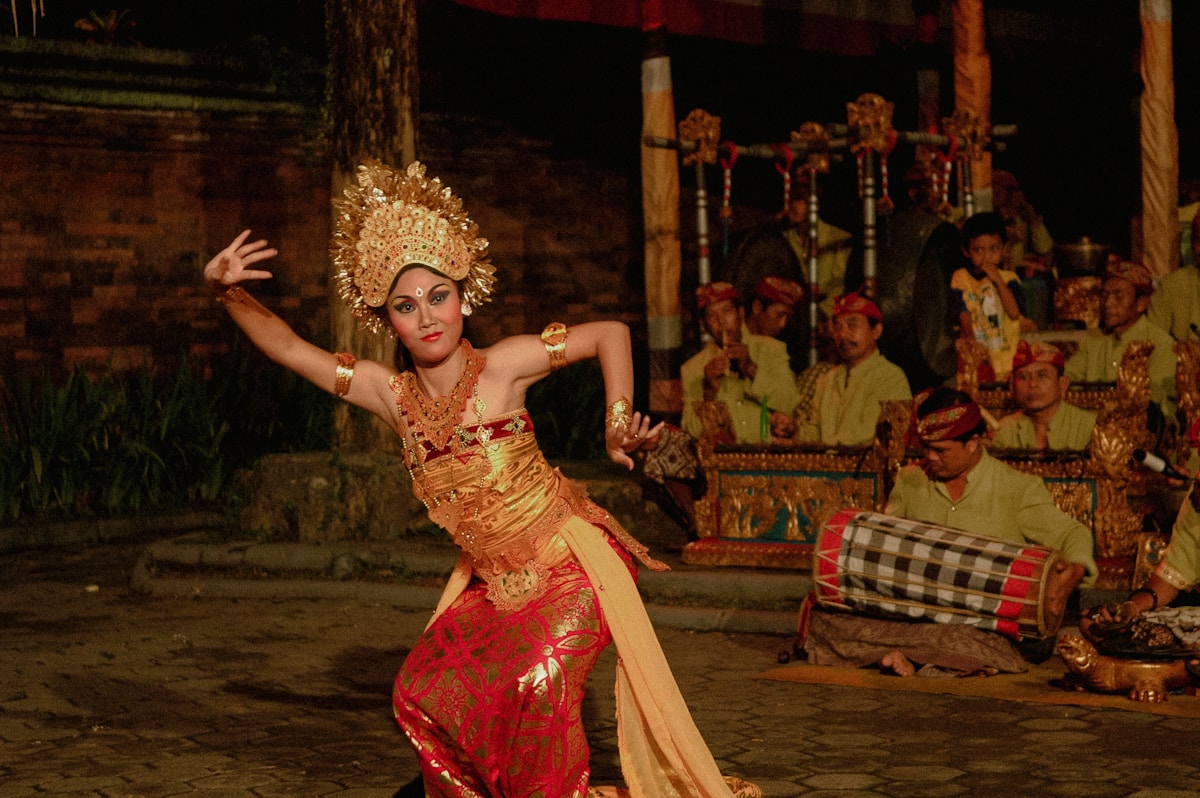
Nyepi is Bali’s Day of Silence - a 24-hour period of complete stillness that marks the start of the Saka New Year in the Balinese Hindu calendar. It is one of the most unusual events in Southeast Asia travel: an entire island, including the airport, goes quiet for a full day. No traffic, no flights, no lights after dark. Visitors do not get an exemption.
Understanding what Nyepi means for your trip requires some forward planning, but it also opens the door to experiencing one of the most culturally significant events in Indonesia.
When Is Nyepi?
Nyepi follows the Saka lunar calendar and falls on a different Gregorian date each year, typically between late February and late March.
| Year | Nyepi Date |
|---|---|
| 2025 | 29 March 2025 |
| 2026 | 19 March 2026 |
| 2027 | 8 March 2027 |
The 24-hour silence runs from 6am on Nyepi day to 6am the following morning. The days before and after are major celebrations in their own right.
The Nyepi Period: Four Phases
Melasti (2–3 days before)
Balinese Hindu communities carry sacred objects - pratimas (deity effigies) and heirlooms - from village temples to the coast or nearest body of water for purification. Processions flow through roads across the island, particularly towards Seminyak Beach, Sanur, and other coastal areas. Roads can become congested. Witnessing Melasti is one of the most visually striking experiences Bali offers to visitors.
Pengrupukan - Ogoh-Ogoh Parade (evening before Nyepi)
The night before Nyepi, neighbourhoods across Bali parade enormous papier-mâché demons called ogoh-ogoh through the streets. These figures - some standing 3–4 metres tall - represent negative spirits and malevolent forces. They are carried on bamboo platforms by dozens of young men, accompanied by gamelan percussion, torchlight, and firecrackers.
The ogoh-ogoh parade is the main public spectacle associated with Nyepi and the most accessible part of the entire ritual cycle for visitors. Ubud, Denpasar, Seminyak, Kuta, and Sanur all hold processions, typically starting between 6pm and 8pm. After parading, the effigies are burned at crossroads to expel evil spirits before the silence begins.
Nyepi - The Day of Silence
From 6am on Nyepi day, four prohibitions take effect across Bali:
- Amati Geni - no fire or lights
- Amati Karya - no work
- Amati Lelungan - no travel or movement outside the home
- Amati Lelanguan - no entertainment or pleasure activities
These apply to all Balinese Hindus and, by extension, all visitors and non-Hindu residents. Streets are patrolled by pecalang - neighbourhood security groups empowered to enforce the silence. Anyone caught outside will be politely but firmly asked to return indoors.
After dark, the island goes into near-complete blackout. The absence of light pollution on Nyepi night gives an extraordinary view of the Milky Way from open-air hotel courtyards and villas.
Ngembak Geni (day after Nyepi)
Silence lifts at 6am on the morning after Nyepi. The mood shifts immediately - families visit each other to offer forgiveness and reconnect, and the island returns to normal activity over the course of the day. The first morning of the new Saka year is considered an auspicious time for reconciliation.
Airport and Transport Closures
Ngurah Rai International Airport (Denpasar, Bali) closes completely during Nyepi. No commercial, charter, or cargo flights operate. The closure is enforced nationally - Indonesian authorities coordinate with all airlines operating Bali routes.
Airlines typically reschedule flights in the two to three days surrounding Nyepi, leading to compressed capacity before and after the closure. If you are flying into or out of Bali within 48 hours of Nyepi, check directly with your airline - departure times may have shifted, or flights may be combined.
The seaport at Benoa Harbour also closes during Nyepi. Fast boat services between Bali, Gili Islands, Lombok, and Nusa Penida are suspended. Ferries from Ketapang (East Java) to Gilimanuk (west Bali) follow the same closure.
Hotel Rules During Nyepi
Hotels and resorts remain open and continue to serve guests throughout Nyepi. What changes is what guests may do:
- You must stay on the property. All guests are required to remain within the hotel or villa grounds for the full 24 hours. This is not a suggestion - property managers enforce it because hosting an irresponsible guest who breaks the silence can create friction with local communities.
- No loud music or noisy gatherings. Most hotels ask guests to keep volume low throughout Nyepi, particularly after dark. This is standard practice for a day of contemplation.
- Blackout curtains or coverings are used at most properties to reduce light visibility from outside. Room service and internal restaurant facilities typically remain available, though some may operate with reduced menus.
- Pool and common areas vary by property - some remain open for quiet use, others close them.
If you are in a private villa without a permanent reception desk, you may need to contact management before Nyepi about food arrangements. A few smaller guesthouses provide a pre-Nyepi grocery run for guests.
Practical Logistics: Planning Around Nyepi
Arriving before Nyepi: Land at least two full days before Nyepi to be settled before restrictions begin. Arriving the day before Nyepi is feasible but risky given compressed flight capacity and the ogoh-ogoh street congestion on that night.
Departing after Nyepi: Build at least one full day of buffer after Nyepi before any international connection. Flights fill quickly in the 24 hours after the airport reopens.
Supermarkets and pharmacies close from the afternoon before Nyepi through Nyepi day itself. Stock any medication, food, or supplies you might need well in advance.
SIM data: Mobile internet continues to work during Nyepi for guests staying indoors. Telkomsel, Indosat, and XL maintain network infrastructure. However, some hotels ask guests not to stream loudly or make video calls late at night.
What Visiting During Nyepi Actually Looks Like
For visitors willing to lean into the day rather than resent the restrictions, Nyepi offers something rare in Bali travel: genuine quiet. An afternoon spent reading beside a hotel pool in an island that has turned off its traffic is unusually peaceful. After dark, the absence of light across the island is striking.
The ogoh-ogoh parade on the evening before Nyepi is one of the most energetic and visually arresting events in Southeast Asian travel - a genuine cultural spectacle that is free to watch and happens every year. Combine that evening, a quiet Nyepi day, and the Ngembak Geni morning-after activity, and the Nyepi period is not an inconvenience to route around but one of the more memorable segments of any Bali itinerary.
When to Visit If You Want to Avoid Nyepi
If your dates happen to fall on Nyepi and you cannot adjust, consider staying in Lombok or the Gili Islands during that period instead. Nyepi is a Balinese Hindu observance - it does not apply in Lombok, which has a Muslim majority population. Fast boats between Bali and Lombok operate on the days before and after; you would simply need to be off Bali by the afternoon before Nyepi and can return the morning after.
Book guided tours in Indonesia - a half-day group tour is usually the most efficient way to see key sites without renting transport. For inter-island travel, Bookaway lets you search and book ferry, bus, and train connections across the archipelago in one place.
Search hotels in Bali on Booking.com
See Also
- Bali festivals calendar - Galungan, Kuningan, Nyepi, and all of Bali’s major ceremonial events
- Bali Hinduism guide - the beliefs and traditions behind Nyepi and Balinese ceremony
- Bali island guide - planning your Bali itinerary around the ceremonial calendar
- Fast boats from Bali - boat services to Lombok for those routing around Nyepi
- Visiting Indonesia in March - Nyepi typically falls in March: what to expect this month
Ready to Plan Your Trip?
See our itineraries for inspiration:
- 1 Week in Bali - day-by-day first-timer’s guide with costs
- 5-Day Bali Honeymoon Itinerary - Seminyak, Ubud and Uluwatu
- 3 Days in Bali - the perfect short trip covering the essentials
Plan Your Trip
✈️ Book your flights to Indonesia 🛡️ Get travel insurance 📱 Stay connected with an eSIM 🚗 Rent a car