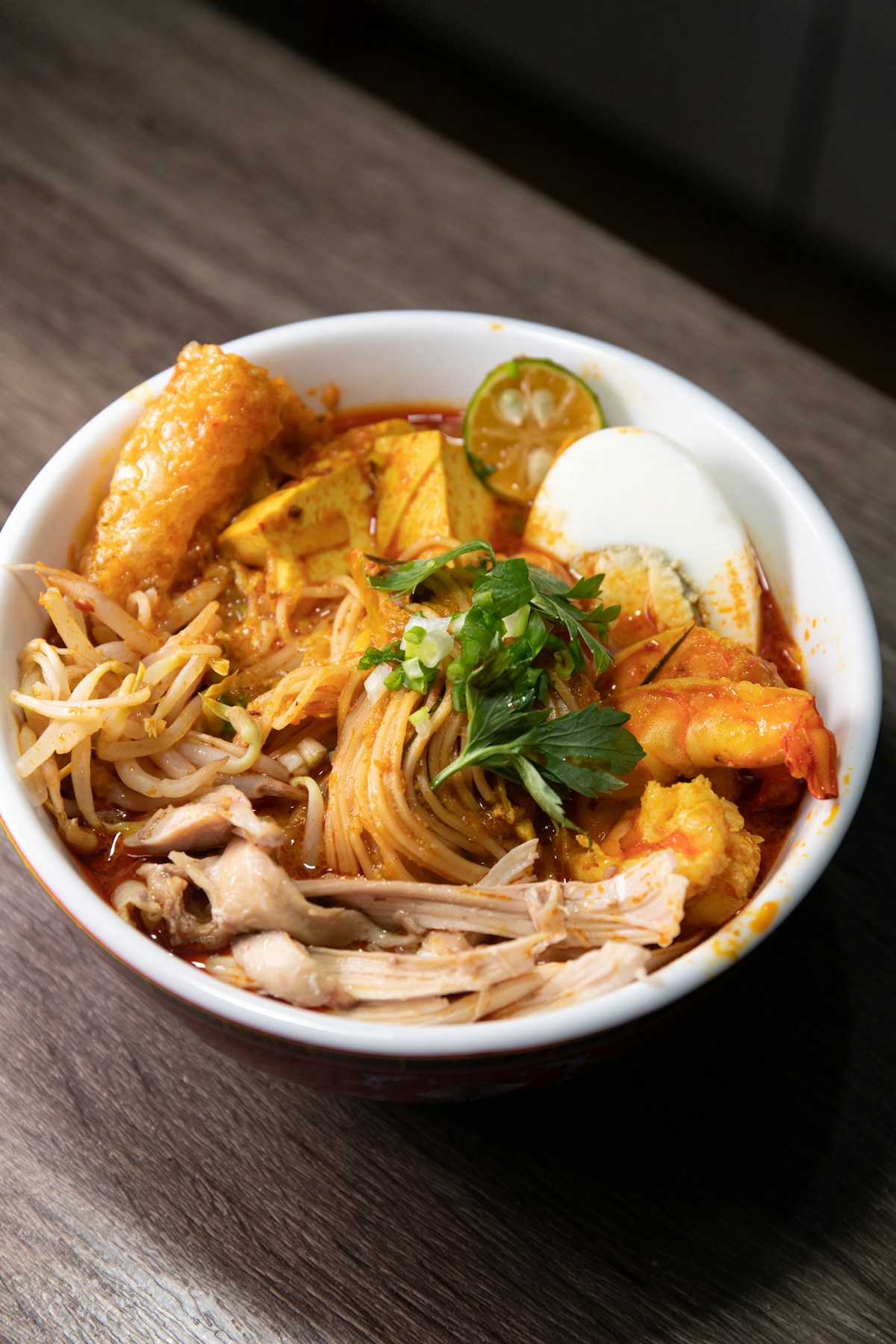
Food & Drink
Bali Street Food Guide: Markets, Night Stalls & What to Eat
Bali's best street food hubs: Gianyar Night Market, Kreneng and Sanur. Nasi campur, satay lilit, babi guling - dishes, prices and safety tips.
Indonesian Cuisine
Indonesian cuisine is one of the world's most complex and varied, shaped by 300+ ethnic groups, centuries of spice trade, and the influence of Chinese, Dutch, Indian, and Arab cooking. The flavour profile is typically bold: coconut milk, lemongrass, galangal, kecap manis (sweet soy), chilli, and fermented shrimp paste (terasi) form the backbone of most dishes.
Eating in Indonesia is built around the warung, small family-run food stalls that form the backbone of the food economy. A full meal at a warung costs IDR 15,000–30,000 (approximately USD 1–2). Street food is safe to eat broadly, though some stalls operate more hygienically than others. Bali has developed a sophisticated restaurant scene that spans the full price spectrum. Yogyakarta and Solo are the best cities for traditional Javanese food.
Each city guide includes a dedicated food page covering must-eat dishes, local specialities, and where to eat them.
Eight dishes that represent the depth and regional variety of Indonesian cuisine, from Java's warungs to Sumatra's Padang restaurants.
Fried rice cooked with kecap manis (sweet soy sauce), shallots, garlic, chilli, and your choice of meat or seafood, topped with a fried egg. Eaten at any hour, from street stalls (warungs) to five-star hotels. The national dish by default. No two versions are identical; each cook has their own spice balance.
Skewered and grilled meat (chicken, lamb, goat, or beef) served with a peanut sauce, sweet soy, and sliced shallots. Sate Madura (from Madura island) is one of the most famous variants: thin skewers of chicken or goat grilled over coconut shell charcoal with a rich, dark peanut sauce.
Slow-cooked beef braised in coconut milk and a paste of lemongrass, galangal, turmeric, and chilli until the liquid evaporates and the meat caramelises. Originally from West Sumatra's Minangkabau culture, now found across Indonesia. The longer it cooks, the better. Voted one of the world's best dishes in multiple global surveys.
Cooked vegetables (blanched bean sprouts, cabbage, long beans, potatoes, tofu, tempeh) dressed in a warm peanut sauce and topped with prawn crackers (krupuk) and a hard-boiled egg. A filling vegetarian-friendly dish common across Java. The peanut sauce quality varies enormously; look for versions made fresh rather than from a packet.
A clear or cloudy broth-based soup with regional variations across the archipelago. Soto Ayam (chicken) is the most common; Soto Betawi (Jakarta) uses coconut milk and beef; Coto Makassar (South Sulawesi) uses peanuts and offal. Served with rice, vermicelli, or ketupat rice cakes depending on the region.
A Padang-style meal from West Sumatra: multiple small dishes (rendang, curry, sambal, fried chicken, jackfruit) arranged around a bowl of rice, served simultaneously. You pay only for what you eat. Found across Indonesia in Padang restaurants (Rumah Makan Padang). The spice levels are among the highest in Indonesian cuisine.
Springy meatballs (typically beef) served in a clear broth with noodles, tofu, and vegetables. A street food staple. Bakso carts push through residential neighbourhoods making a distinctive sound with a spoon on the cart's bowl. Found everywhere from roadside stalls to dedicated bakso restaurants. Add sambal to taste.
Tempeh (fermented soybean cake, originating in Java) is a distinctive Indonesian ingredient found nowhere else in such variety. Fried, grilled, or marinated, it has a nutty, earthy flavour very different from tofu. Tempeh goreng (fried tempeh with chilli) is one of the best Indonesian snacks. Central Java produces the best versions.
The centre of Javanese cuisine: gudeg (young jackfruit stew), tongseng, and sate klatak (goat satay grilled on iron rods). The Malioboro night market and Beringharjo market area have the highest concentration of traditional Javanese food in one place. Gudeg Yu Djum (from approximately IDR 25,000) is widely considered the benchmark.
Food guide to Yogyakarta →The most cosmopolitan food scene in Indonesia. Seminyak and Canggu have world-class restaurants alongside exceptional warungs. Babi guling (roast suckling pig: Balinese-style, in Ubud and Gianyar) is worth a dedicated trip. The price range spans IDR 15,000 warung meals to USD 80+ tasting menus. Ubud adds a health-food and vegan dimension few Indonesian cities match.
Food guide to Ubud →West Sumatra's capital is the birthplace of Padang food: rendang, padek (fermented fish sauce), dendeng balado (dried beef with red chilli), and gulai (rich coconut milk curries). Eating nasi Padang here at the source is a different experience from Jakarta's Padang restaurants. The city also produces some of Indonesia's best coffee from the Minangkabau highlands.
Food guide to Padang →In-depth guides to the cuisine, restaurants, and street food scene.
Bali's best street food hubs: Gianyar Night Market, Kreneng and Sanur. Nasi campur, satay lilit, babi guling - dishes, prices and safety tips.
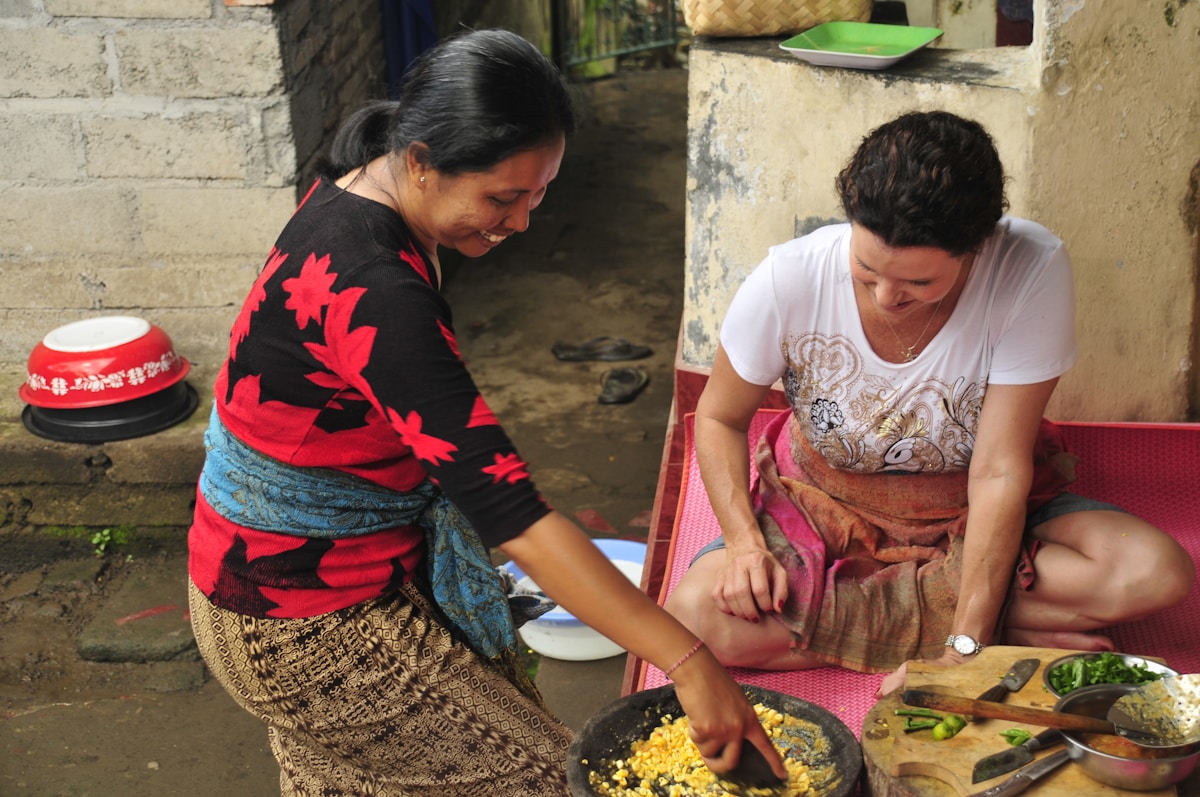
Bali's Hindu heritage defines its cuisine: babi guling, bebek betutu, lawar, and sate lilit. What each dish represents, warungs to visit.
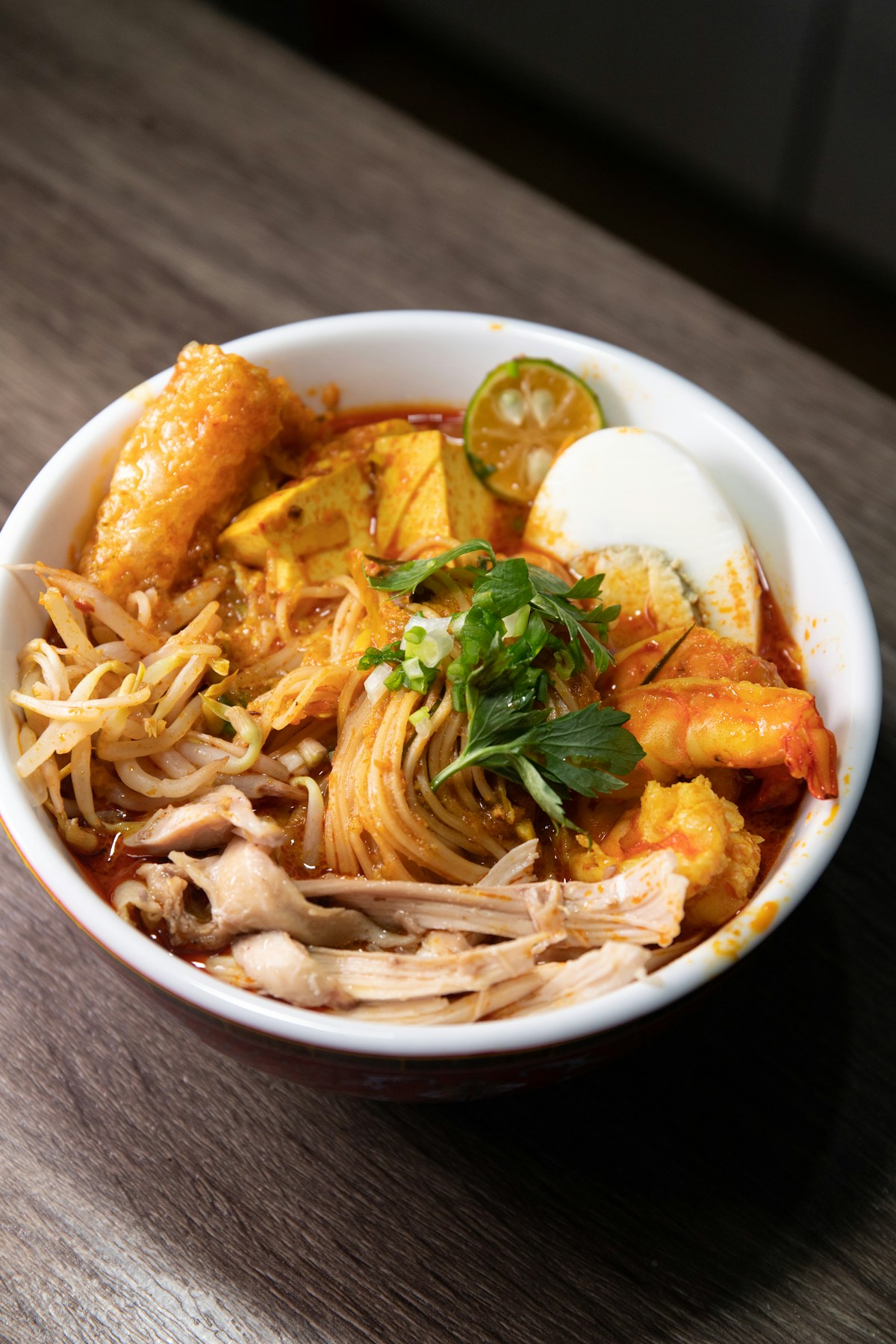
Indonesian food: nasi goreng, rendang, babi guling, gado-gado and soto. Regional dishes with prices from Bali, Java and Sumatra warungs.
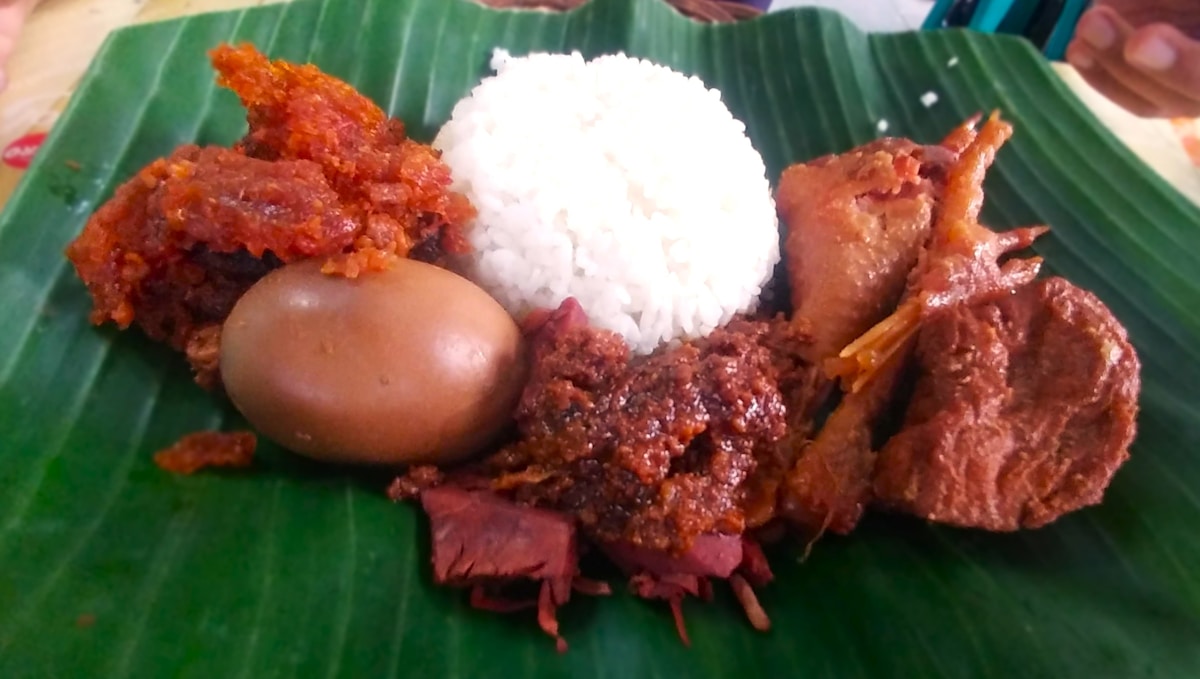
Javanese food: gudeg in Yogyakarta, rawon in Surabaya, nasi liwet in Solo. Named warungs, prices from IDR 15,000, and the sweet-dark divide.
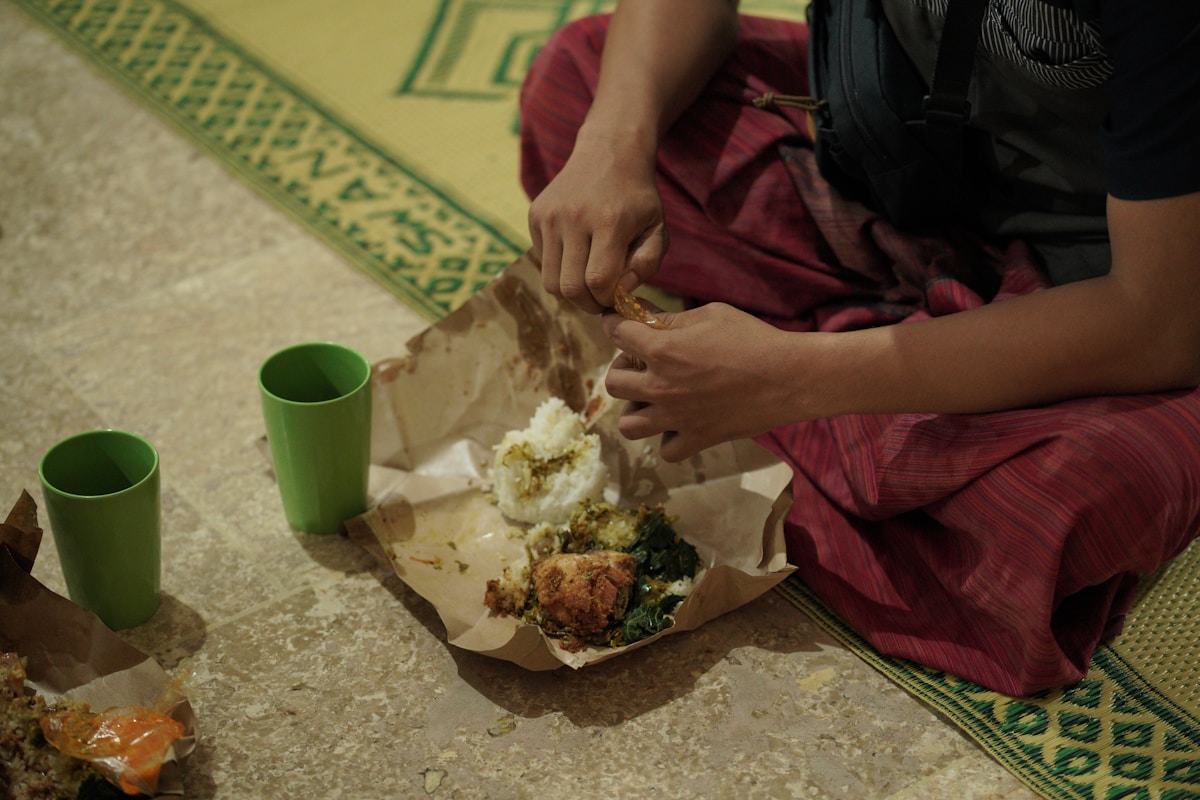
Padang food's pay-per-dish system: rendang, gulai, and sambal hijau from rumah makan counters. Best dishes and cities to eat across Indonesia.
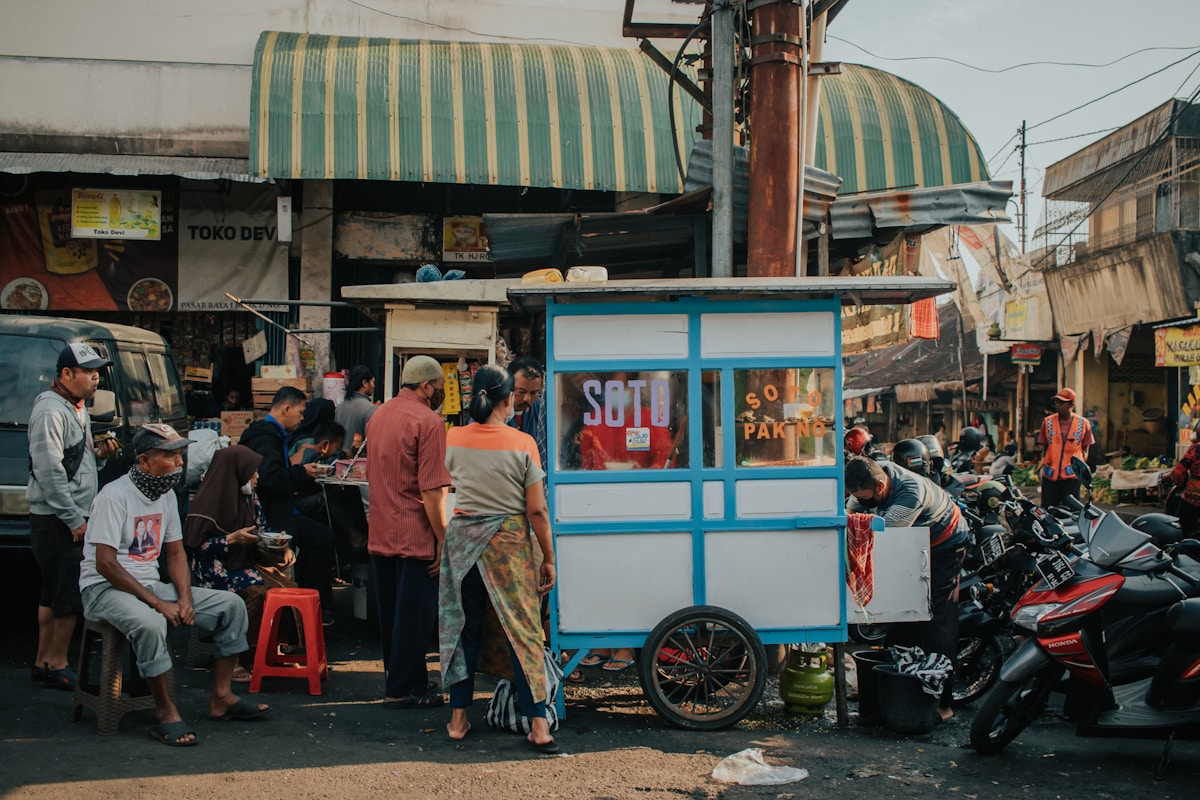
A warung is Indonesia's local family diner, with meals from IDR 15,000. Ordering tips, price ranges, and style differences across Bali, Java, and Lombok.
Book an experience
A guided food tour covers more ground than eating solo, and you learn the backstory. Cooking classes and street food tours available across Bali, Ubud, and Java.
Explore the food scene city by city