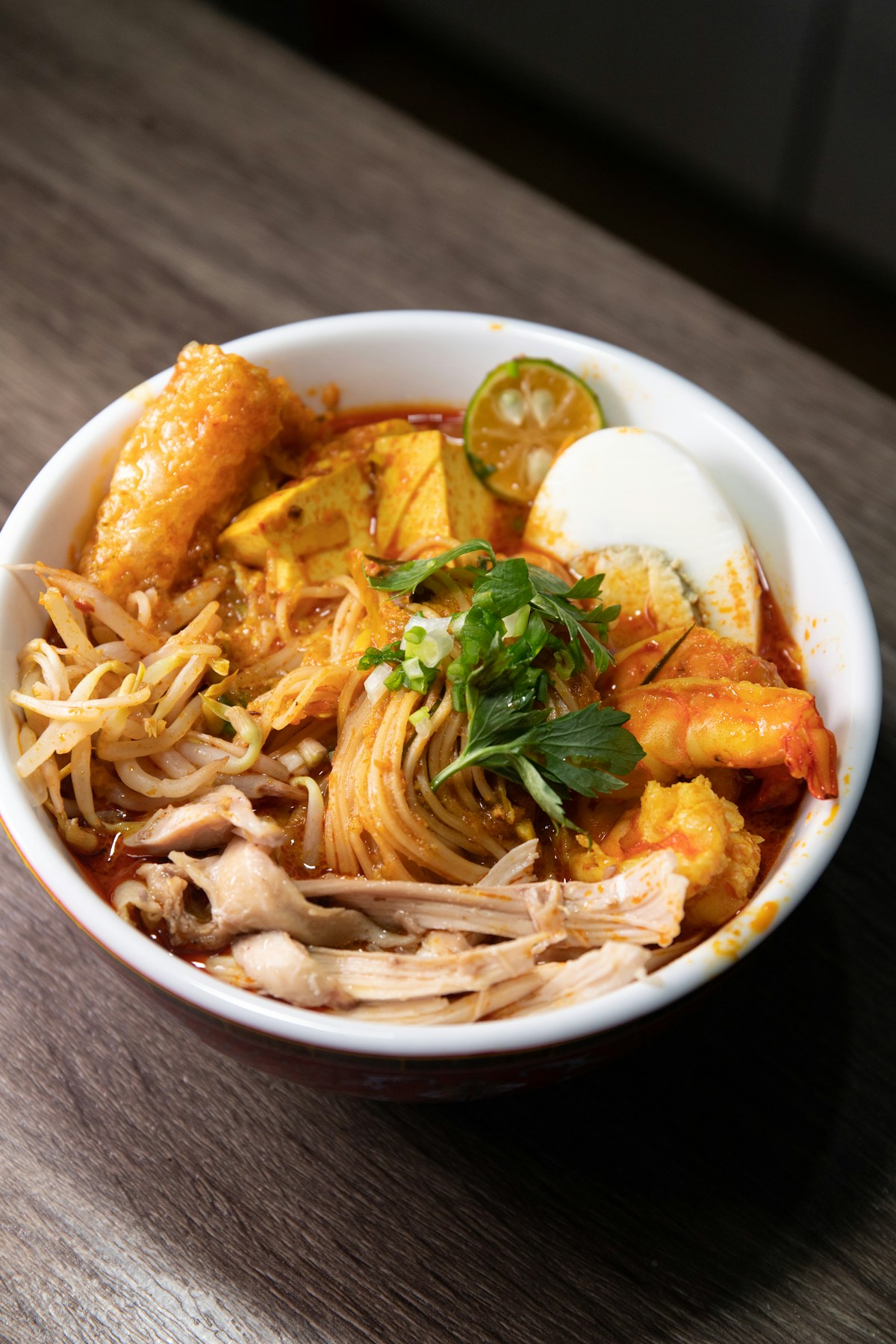
Indonesian cuisine is not a single tradition - it is 17,000 islands’ worth of regional cooking, each with distinct flavours, techniques and ingredients shaped by centuries of trade, agriculture and cultural exchange. What unites them is a core set of ingredients: coconut milk, galangal, lemongrass, shrimp paste (terasi), candlenut, palm sugar, turmeric and chilli in combinations that produce some of the most layered flavour profiles in Asian cooking.
This guide covers the dishes you need to know, where to find them and what to expect to pay across different types of eating in Indonesia.
The Essential Dishes
Nasi Goreng
Indonesia’s national dish in everything but formal declaration. Fried rice, cooked with kecap manis (sweet soy sauce), garlic, shallots, chilli, vegetables and usually egg - the specific additions vary by cook and region. A plate at a warung (local food stall) costs approximately IDR 20,000–35,000 (as of 2026). At a hotel or restaurant, expect IDR 60,000–120,000.
Nasi goreng is available everywhere and at all hours. For the best version, find a roadside stall with a well-seasoned wok and high heat.
Satay (Sate)
Skewered meat - chicken, goat, lamb, beef or pork - grilled over charcoal and served with peanut sauce, compressed rice cake (lontong) and sambal. Sate ayam (chicken) is the most common; sate kambing (goat) is the most prized in Central Java. A portion of 10 skewers costs approximately IDR 25,000–50,000 at street level (as of 2026).
Madurese sate (from Madura island) uses a sweeter peanut sauce and finely cut meat; Padang sate is served with a thinner, more spiced sauce. Both are worth seeking out.
Rendang
Often cited in international polls as one of the greatest dishes in the world: beef slow-cooked in coconut milk with galangal, lemongrass, kaffir lime, turmeric and chilli until the liquid is fully absorbed and the meat is dark, intensely flavoured and almost dry. Originally from the Minangkabau people of West Sumatra, rendang is now eaten across Indonesia and Malaysia.
The best rendang comes from Padang (Padang Panjang specifically) and from the countless Padang-style restaurants (Rumah Makan Padang) found throughout Indonesia. A portion in a Padang restaurant costs approximately IDR 50,000–100,000 (as of 2026). The cooking time - traditionally up to 4 hours - is what makes rendang extraordinary; accept no shortcuts.
Gado-Gado
A mixed vegetable salad - blanched spinach, bean sprouts, cucumber, potato, tofu, tempeh and boiled egg - dressed in a warm peanut sauce. One of the best vegetarian options in Indonesian cuisine. Approximately IDR 20,000–40,000 at most warungs. Ask for “tanpa terasi” (without shrimp paste) if you need it fully plant-based.
Soto
Indonesia’s answer to the world’s great noodle soups. A clear or lightly cloudy broth seasoned with turmeric, galangal, lemongrass and often coconut milk, served with rice or noodles, shredded chicken or beef, boiled egg and fried shallots. Regional versions vary enormously:
- Soto Ayam Yogyakarta: clear, fragrant, turmeric-yellow; approximately IDR 25,000–40,000
- Soto Betawi (Jakarta): rich coconut milk broth with beef offal and tomato; approximately IDR 30,000–50,000
- Soto Madura: dark, intensely flavoured beef broth; approximately IDR 25,000–45,000
Nasi Padang
The Minangkabau system of eating: cooked dishes displayed on a table or tiered tray, brought to your place all at once, charged only for what you eat. A meal typically includes rice, a spiced meat or fish, vegetable curry, eggs in spiced sauce and sambal. Approximately IDR 40,000–80,000 per person depending on selections (as of 2026). One of the best-value eating experiences in Indonesia.
Bakso
Meatball soup - a deeply popular street food and warung staple. Bouncy beef meatballs in a clear broth with noodles, tofu and vegetables, topped with fried shallots and chilli sambal. Approximately IDR 20,000–40,000 per bowl. The smell of a bakso cart’s broth is unmistakable; follow it.
Babi Guling
Bali’s suckling pig - a whole young pig rubbed with turmeric, galangal, lemongrass, garlic, shallots and chilli, then roasted over a wood fire. Found only in Bali (pork is unavailable in most Muslim-majority areas of Indonesia). The classic preparation includes crispy skin, tender meat and rich spiced offal. A portion at the best-known warungs - Ibu Oka in Ubud, Sari Artha in Gianyar - costs approximately IDR 50,000–100,000 (as of 2026). Lines start forming before noon.
Tempeh & Tofu
Indonesia’s gift to global vegetarian cooking. Tempeh is fermented soybean cake - originated in Java, consumed here for at least several centuries. The fermentation gives tempeh a nutty, slightly mushroomy flavour that surpasses tofu in complexity. Tempeh goreng (fried tempeh) costs approximately IDR 10,000–20,000 as a side dish and is found everywhere.
Types of Eating Establishments
Warung: the backbone of Indonesian eating. A simple family-run stall or small room, usually with bench seating, serving a limited menu of local dishes. Meals: IDR 15,000–60,000. No English menu expected; pointing works fine.
Rumah Makan (eating house): slightly larger than a warung; usually table service, printed menu, slightly higher prices. IDR 30,000–100,000 per meal.
Lesehan: floor-seating restaurants, particularly common in Yogyakarta. Sit on mats; food comes on low tables. The experience is the point.
Restaurant: IDR 80,000–300,000 per person for a full meal with drinks. Tourist areas in Bali skew toward this price range.
Fine dining: IDR 300,000–800,000+ per person. Available in Seminyak, Ubud and Jakarta; international-quality execution of Indonesian and fusion cuisine.
Regional Specialities Worth Seeking
Padang (West Sumatra): the spiciest and most complex regional cuisine in Indonesia. Rendang, gulai (curry), dendeng balado (dried spiced beef). If you eat no other regional food in Indonesia, eat Padang.
Javanese (Central & East Java): generally sweeter than other regions. Rujak cingur (mixed vegetable salad with cow’s muzzle and thick peanut-molasses sauce) in Surabaya; nasi gudeg (young jackfruit in coconut milk) in Yogyakarta.
Balinese: aromatics-forward, uses pork and duck; babi guling, bebek betutu (slow-roasted duck in spice paste), sate lilit (minced fish or pork on lemongrass skewers).
Manado / Sulawesi: the spiciest regional cuisine, with unusual ingredients including dog meat, bat and rat (for adventurous visitors). Rica-rica (chilli-heavy stir-fry) is the gateway dish.
Street Food Safety
- Choose stalls with high turnover - food sitting for hours is the risk, not fresh-cooked food.
- Avoid ice in drinks at basic places unless you see it made from bottled water.
- Peel fruit yourself.
- Trust your instincts - if a place looks neglected, it probably is.
- Travellers’ stomachs adjust within a few days; early caution pays off.
Book a Guided Indonesian Food Experience
The fastest way to cover Indonesian food’s regional breadth in a single destination is a guided food tour - most operate in Bali or Yogyakarta and use the local food scene as a lens on the national cuisine. A Ubud cooking class covering base genep and Balinese technique, a Yogyakarta food tour that moves from gudeg to angkringan, or a Jakarta Betawi street food walk all provide the kind of cultural context that turns a meal into an understanding of how Indonesia’s geography and history shaped what its people eat. These experiences are bookable as half-day or full-day tours across most of Indonesia’s main destinations.
Browse Indonesian food tours and cooking classes
Plan Your Visit
Indonesia’s food is distributed across the archipelago - the best rendang is in West Sumatra, the best gudeg is in Yogyakarta, the best Betawi cooking is in Jakarta, and Bali’s warung circuit is its own thing entirely. Most visitors use Bali as a base and work outward. Browse hotels across Indonesia to find accommodation suited to whichever regions you’re eating your way through.
See Also
- Balinese food guide - the cuisine of Bali: how Balinese food differs from the national canon
- Padang food guide - West Sumatra’s rendang-and-gulai tradition: one of the world’s great cuisines
- Javanese food guide - the sweet-soy-forward dishes of Central and East Java
- Warung guide Indonesia - the restaurant format that defines how Indonesians eat every day