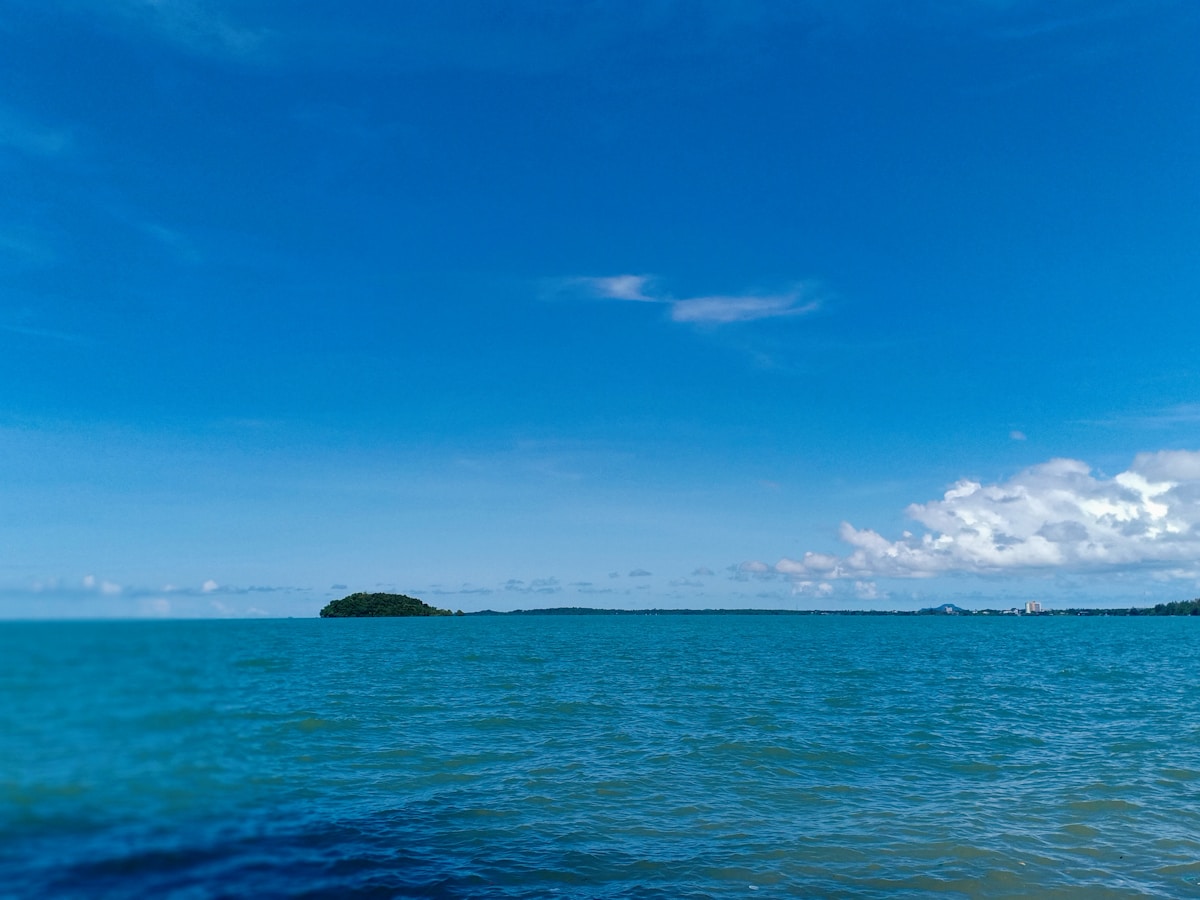
Belitung Island sits in the Java Sea off the east coast of Sumatra, administratively part of Bangka Belitung Province. It is not a diving or surfing destination. What distinguishes Belitung from virtually every other Indonesian beach island is geological: the shoreline is scattered with enormous rounded granite boulders - some the size of houses - that form dramatic compositions with white sand and unusually clear, pale-turquoise water. The boulders are ancient, some estimates placing their age at 65–70 million years, and they have been shaped by tidal weathering into rounded, stacked formations that photographers and cinematographers have used as backdrops in Indonesian films and advertising for decades.
Tourism here is domestic-dominant. International visitors are a minority, which affects the texture of the experience - prices remain low, the beaches are uncrowded by Indonesian standards, and the infrastructure is functional rather than polished.
Key Beaches and Sites
Tanjung Tinggi Beach
This is the most photographed location on Belitung, roughly 30 km north of Tanjung Pandan. The boulders at Tanjung Tinggi are among the largest and most concentrated on the island, positioned directly on the sand and in the shallow water. The beach is wide, the sand is very white, and the water visibility is good. Entry is free. Accommodation options and food stalls are available in the surrounding village. Access by car or motorbike from Tanjung Pandan takes approximately 40 minutes.
Tanjung Kelayang Beach
South of Tanjung Tinggi, Tanjung Kelayang is the main departure point for island-hopping boat tours. The beach itself is also flanked by granite formations, though smaller than at Tanjung Tinggi. Boat tours to the outer islands - Pulau Garuda (named for the eagle-shaped rock formation), Pulau Babi, and Pulau Pasir (a sandbar island that appears and disappears with the tide) - depart from here. Entry to the beach is free. Boat charters typically cost IDR 300,000–500,000 for a half-day, accommodating up to 8 people, as of 2026.
Lengkuas Island
Located approximately 45 minutes by boat from Tanjung Kelayang, Lengkuas Island is anchored by a Dutch colonial lighthouse built in 1882. The lighthouse is still functional and open to climb; admission is approximately IDR 5,000 as of 2026. From the top (approximately 18 metres, 18 floors of iron spiral stairs), the view encompasses the surrounding island chain and the coral reefs visible through the clear water below. Snorkelling around the rocks at the base of the lighthouse is genuinely good - fish concentration is high because the boulders and lighthouse foundations create a habitat structure that reefs around open sand cannot match. Bring your own equipment or hire at the boat departure point.
Tanjung Pandan
The main town and the island’s commercial centre, with the airport, the market, hotels, and the Belitung Museum. The museum covers the island’s tin mining history, the local Malay culture, and Belitung’s role in Indonesian maritime trade. Entry is free or nominal. The town has several good seafood restaurants near the fish market; grilled or steamed seafood dishes with local Belitung pepper - a spice the island has produced since at least the 17th century - are the standout culinary experience.
Tin Mining Heritage
Belitung supplied a significant proportion of global tin production from the 18th century through the mid-20th century. The Dutch colonial government operated extensive tin extraction operations, and the physical landscape still carries marks of this era - tailings ponds, former mining infrastructure, and the waterway networks that were used to transport ore. Some abandoned mining pits have filled with water and become accidental lakes with unusual blue-green colouration from mineral residue; these can be visited on the road between Tanjung Pandan and the north coast.
The Belitung Museum in Tanjung Pandan contextualises this history, including the forced labour system under colonial extraction and the social structure it produced.
Getting There
Jakarta (CGK/HLP) to Tanjung Pandan (TJQ): The most practical access route. Citilink and NAM Air operate this route, with flight time approximately 1 hour 15 minutes. Return fares from approximately IDR 500,000–1,200,000 as of 2026 depending on advance booking and season. Several daily departures operate from both Soekarno-Hatta (CGK) and Halim Perdanakusuma (HLP).
Batam to Tanjung Pandan: Wings Air connects Batam’s Hang Nadim Airport to Belitung, useful for travellers already in the Riau Islands.
Ferry: A passenger ferry operates between Tanjung Pandan and Pangkalpinang on neighbouring Bangka Island, journey time approximately 4–5 hours. This is more relevant for combining a Belitung–Bangka trip than as a primary access route from Java.
There is no rail connection to Belitung; the island is accessible only by air or sea.
Where to Stay in Belitung
Accommodation divides between Tanjung Pandan, the island’s main town with the airport and most facilities, and the beach areas further north around Tanjung Kelayang and Tanjung Tinggi. Beach bungalows give quicker access to the granite formations; town hotels work better for those with early flights or a need for proper urban infrastructure.
Budget (from approximately USD 20–40/night as of 2026)
Beach bungalows near Tanjung Kelayang are family-run operations with basic air-conditioned rooms and attached bathrooms, positioned close to the main boat departure point for island-hopping. Quality is variable; check recent photos before booking. From approximately IDR 300,000 (around USD 20) per night as of 2026.
BW Suite Belitung in Tanjung Pandan offers a cleaner, more predictable budget option than the beach bungalows, with air conditioning, attached bathrooms, and a location convenient for the airport and town facilities. A practical choice for a first or last night on the island. From approximately USD 40/night as of 2026.
Guesthouses near Tanjung Tinggi village are scattered around Belitung’s most photographed beach area. Simple rooms with fan or air conditioning start from approximately IDR 250,000 per night as of 2026, and staying here puts you at the boulders before the day-trip crowds arrive from Tanjung Pandan.
Mid-Range (from approximately USD 50–90/night as of 2026)
Billiton Hotel in Tanjung Pandan is the mid-market reference point on the island: a comfortable, functional business hotel with clean rooms, reliable air conditioning, and central positioning close to the market and town restaurants. It suits travellers who want consistent standards without resort pricing. From approximately USD 50/night as of 2026.
Grand Hatika Hotel in Tanjung Pandan provides a step up from the Billiton category, with a pool, modern rooms, and a breakfast included. This is a good base for those planning day trips by hired car or motorbike to the north coast beaches. From approximately USD 70/night as of 2026.
Beach-area mid-range guesthouses around Tanjung Kelayang are developing as demand grows; properties with pools and proper sea views in this area run approximately USD 60–90/night as of 2026. Confirm current operations before booking as new properties open frequently.
Luxury (from approximately USD 120–200/night as of 2026)
Grand Sari Hotel represents the upper end of Belitung’s town accommodation, with well-appointed rooms, a pool, and full hotel services in Tanjung Pandan. From approximately USD 120/night as of 2026.
Arumdalu Private Resort is the island’s benchmark luxury property, with private villas set in a landscape setting away from the main beach crowds. Operated for couples and families seeking privacy and service over pure beach proximity. Villas include private pools and personalised service. From approximately USD 200/night as of 2026.
Search hotels in Belitung on Booking.com
When to Visit
May through September is the driest and calmest period, with the least interference from the northwest monsoon that dominates the Java Sea from November through March. The clearest water and calmest boat conditions for island hopping fall within this window.
October and April are transitional months - generally fine but with higher rainfall probability than the core dry season.
November through March brings the northwest monsoon and is the least recommended period. Boat tours to the outer islands are frequently cancelled due to waves. The granite boulders look dramatic in any weather, but access to Lengkuas lighthouse requires a calm sea.
Belitung does not have a high season in the way Bali does. The beaches rarely feel crowded by regional beach standards, and the accommodation prices do not spike significantly during school holidays.
Practical Notes
Belitung is a compact island - roughly 50 km across - and most of it is accessible by car or motorbike in a single day’s driving. Motorbike rental is available in Tanjung Pandan from approximately IDR 70,000–100,000 per day as of 2026. Hiring a car with driver for the day costs approximately IDR 400,000–600,000 and is the most efficient way to visit Tanjung Tinggi, Tanjung Kelayang, and Lengkuas in sequence.
There are ATMs in Tanjung Pandan. Card acceptance outside hotels is limited; carry cash.
Belitung pepper (merica Belitung) is the island’s best food souvenir. The spice is cultivated in the interior and sold at the market in Tanjung Pandan; it has a distinctive flavour profile different from Sarawak or Lampung pepper and is worth bringing home.
The island has a functioning hospital in Tanjung Pandan. Travel insurance with medical evacuation coverage is standard practice for remote Indonesian island travel.
Book tours and day trips in Belitung - most include transport from your guesthouse and a local guide familiar with the island’s best spots. Bookaway covers the main ferry routes between the islands - book in advance during peak season when boats fill quickly.
More Belitung Guides
- Belitung beaches guide - the best granite boulder bays, island-hopping routes, and how to reach each spot
- Bangka island guide - the sister island: tin-mining history, beach cuisine, and a natural pairing with Belitung
- Indonesia diving guide - how Belitung’s underwater world compares with Komodo, Raja Ampat, and the rest
- Getting around Indonesia - domestic flights from Jakarta to Tanjung Pandan and onward connections