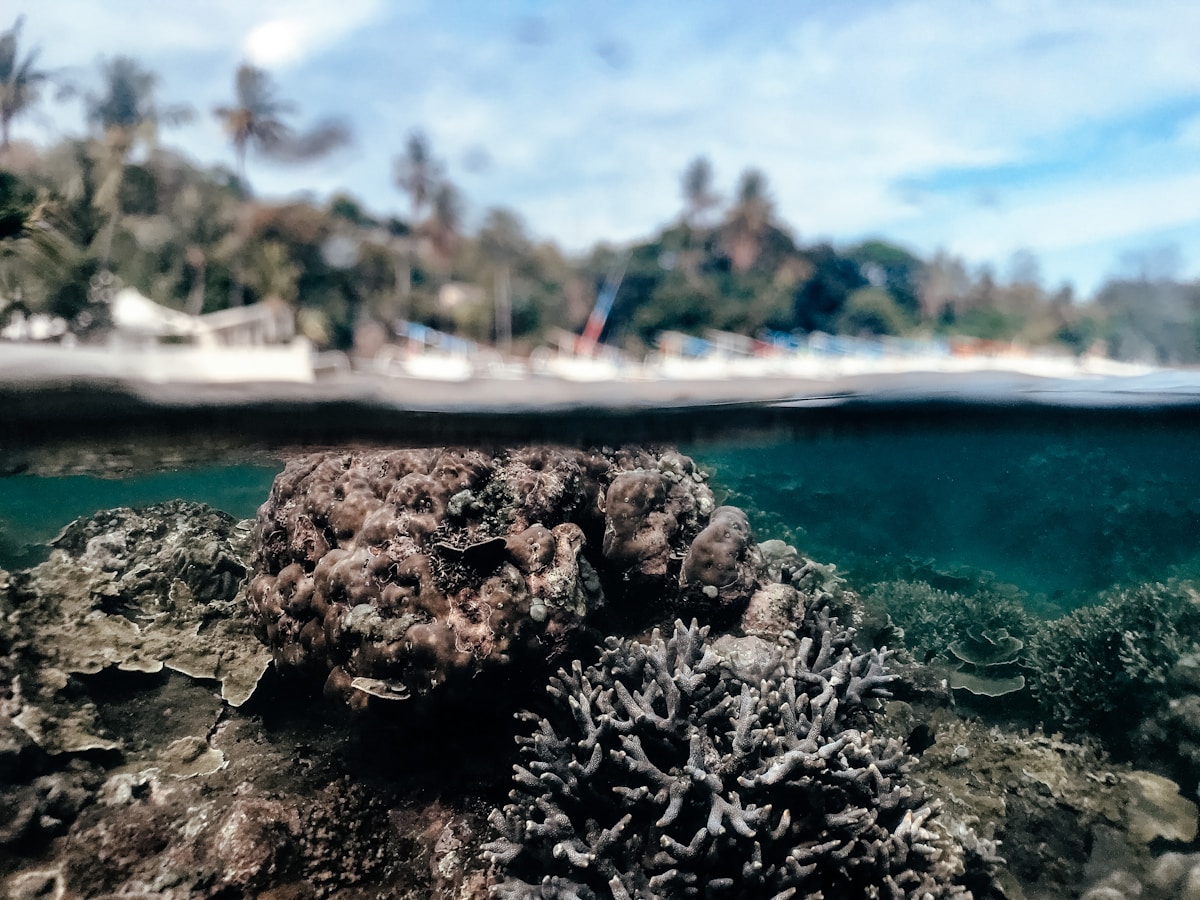
Bali is not just Indonesia’s most visited island - it is one of the most accessible diving destinations in Southeast Asia. Whether you want to do your first ever dive on a WWII wreck, chase sunfish in the deep channels off Nusa Penida, or explore pristine walls in the northwest, Bali delivers a range of sites that few single destinations match. Water is warm, dive centres are plentiful, and infrastructure from Kuta to Tulamben makes logistics straightforward.
The USAT Liberty Wreck, Tulamben
This is the most famous dive in Bali and one of the most-visited wrecks in Asia. The USAT Liberty was an American army cargo ship torpedoed by a Japanese submarine in January 1942. The vessel was beached at Tulamben in East Bali; a 1963 eruption of Gunung Agung pushed it into the sea where it now rests at depths of 9–30m.
The wreck is 120m long and fully encrusted in coral after six decades underwater. Macro life is outstanding: pygmy seahorses, ghost pipefish, nudibranches, and bumphead parrotfish that arrive in large schools at dawn. Reef fish populate every section of the hull. Entry into the water is directly from the black-sand beach - no boat needed. Access to the site costs approximately IDR 20,000 as a beach entry donation (as of 2026).
Tulamben is 3 hours from Kuta and 2.5 hours from Ubud. Multiple dive centres operate from the beach with equipment hire and guided dives from approximately IDR 400,000 per dive including basic equipment.
The Drop Off, a vertical wall beginning in 3m of water directly adjacent to the wreck site, is suitable for night diving - the wall is home to Spanish dancers, lobsters and hunting lionfish after dark.
Nusa Penida: Mola Mola & Manta Rays
The small island of Nusa Penida lies 20km southeast of Bali’s Sanur beach. Its dive sites are more advanced than Tulamben - currents here are significant and cold upwellings are frequent - but the marine life reward is exceptional.
Crystal Bay on the northwest coast is the most reliable site in the world for mola mola (ocean sunfish) encounters. These prehistoric-looking fish - the heaviest bony fish on earth, sometimes exceeding 2 tonnes - visit the bay’s cleaning stations at depths of 20–40m between July and October. Divers descend deep; the mola mola are large enough to be visible from 10m away. Water temperatures at depth can drop to 18°C - bring a thick wetsuit.
Manta Point on the south coast of Nusa Penida is a year-round cleaning station for reef mantas. The mantas hover at 8–18m while cleaner wrasse service their gills and skin. Unlike at sites where mantas simply pass through, the Manta Point individuals return daily to the same rocks - patient divers will have the animals circling directly overhead.
Blue Corner and SD Point offer intense drift diving on sheer walls coated in sea fans, with shark sightings (whitetip, blacktip) on most dives.
Fast boats from Sanur to Nusa Penida take approximately 45 minutes and cost approximately IDR 200,000 one-way. Most dive operators run day trips from Sanur that include 2 dives, boat, equipment and guide from approximately IDR 850,000–1,300,000 per person.
Amed
Amed is a string of fishing villages along East Bali’s coast, approximately 2 hours east of Seminyak. The diving here is gentler than Nusa Penida - suitable for beginners and those looking for relaxed reef diving - with shallow coral gardens populated by dense reef fish, turtles and occasional reef sharks.
The Japanese Wreck at Jemeluk Bay sits in only 12m of water; it is short (30m) but completely encrusted with soft corals and resident fish. Good for beginners and night dives.
Amed is one of the more peaceful bases in Bali for divers - no surf crowds, quiet beachfront guesthouses, and multiple small dive operations along the strip from approximately IDR 400,000–600,000 per dive.
Search hotels in Bali on Booking.com
Menjangan Island
In the northwest corner of Bali in West Bali National Park, Menjangan (meaning “deer island”) offers the best wall diving in Bali. The walls begin in 3–5m of water and plunge to 30–70m, covered in pristine hard and soft corals with exceptional visibility of 20–30m. The absence of significant current makes Menjangan accessible to all certification levels despite the depth potential.
Garden of Eden, Cave, and Pos II are the headline sites. Menjangan is 3 hours from most Bali tourist areas; access requires a national park entry permit (approximately IDR 30,000 conservation fee plus IDR 20,000 national park entry as of 2026). Day trips from Pemuteran village take approximately 30 minutes by boat.
Padang Bai
Padang Bai, the ferry port in East Bali, is an underrated dive area. Blue Lagoon offers a sheltered bay with seagrass, nudibranches, octopus and blue-spotted stingrays - a good muck diving site. Cave is a short cavern dive at 12–18m with resident bamboo sharks and sleeping nurse sharks. Visibility is generally lower than at other Bali sites (5–15m) but macro life compensates.
PADI Courses in Bali
Bali is one of the most affordable places in the world to obtain a PADI certification. Open Water courses from a reputable operator run approximately IDR 4,500,000–6,000,000 (as of 2026) for the full certification including pool sessions, study materials and 4 open-water dives. Advanced Open Water courses run approximately IDR 3,500,000–5,000,000 and can be completed in 2 days.
Reputable operators include AquaMarine Diving (Sanur - strong on Nusa Penida trips), Gangga Divers (Tulamben - specialists in the Liberty Wreck area) and Big Fish Diving (Amed).
Practical Notes
- Best season overall: May–October (dry season, calmer seas at most sites). Nusa Penida mola mola season runs July–October within this window.
- Manta Point operates year-round but is most accessible in calm conditions (May–October).
- Wetsuit: 3mm is adequate for most sites; bring 5mm for deep Nusa Penida dives in mola mola season.
- Tulamben is best at dawn before day-trip groups arrive - consider staying overnight in Tulamben rather than commuting from Kuta.
- Night diving at Tulamben Drop Off and Amed is excellent and offered by most local operators for approximately IDR 500,000–800,000 per dive.
Browse guided dive trips and liveaboards in Bali - tours include full equipment, guides, and boat transport to the best sites. Dive accident insurance is essential in Indonesia - nearest recompression chambers can be hours away. EKTA policies include dive accident cover when added at checkout.
See Also
- Bali island guide - the full Bali overview: regions, temples, surf, and dive planning
- Learn to dive in Bali - PADI courses, costs, and the best dive schools for beginners
- Amed travel guide - the best base for Tulamben diving on Bali’s east coast
- Nusa Penida island guide - manta rays, Mola Mola, and Bali’s most dramatic offshore dive destination
- Indonesia diving guide - how Bali’s dive sites compare with the rest of the archipelago