Komodo National Park sits in the narrow strait between the islands of Sumbawa and Flores in East Nusa Tenggara - a gap in Indonesia’s island chain that funnels vast quantities of cold, nutrient-rich water from the Indian Ocean. That upwelling feeds one of the most productive marine ecosystems in the country: dense coral gardens, pelagic action at seamounts, and one of the most reliable sites in the world for large reef manta rays.
The park is best known above water for its Komodo dragons. Below the surface, it belongs to the fish.
The Conditions: Strong Currents Are the Point
Komodo diving is not for beginners. The same currents that deliver nutrients to the reef also require divers to understand and respect unpredictable water movement. Sites like Crystal Rock, Castle Rock and The Cauldron are classified as advanced - conditions can shift from calm to ripping within a single dive. Always dive with a local operator whose guides know the sites intimately and time entries around tidal cycles.
Water temperatures vary more than in most Indonesian destinations: cold upwellings from the south (around 18–22°C) make full wetsuits standard practice; surface water can reach 28°C on the same day. Be prepared for thermoclines.
That said, the conditions are exactly what makes Komodo extraordinary. Fish congregate in the current-bathed water in extraordinary numbers. Visibility ranges from 15m on the calmer northern sites to 30m+ at the open-water seamounts.
Best Dive Sites
Manta Alley - A cleaning station in the strait south of Komodo Island, consistently one of the best manta dives in the world. Reef mantas (Mobula alfredi) averaging 3–4m wingspan cruise through the channel year-round, with peak numbers from April to June and again in October–November. Dive at 10–20m; mantas pass within metres of divers on the bottom. Suitable for intermediate divers - current is manageable at most tides.
Crystal Rock - A submerged pinnacle in the Gili Lawa strait. The rock is covered in sea fans, soft corals and schooling fish in numbers that can overwhelm the eye: thousands of fusiliers, dense clouds of anthias, trevally hunting through the bait balls. Reef sharks and leopard sharks rest at depth. Strong current; advanced divers recommended.
Castle Rock - Similar profile to Crystal Rock, slightly more exposed. Hammerhead sharks are occasionally sighted here in the early morning. Grey reef sharks are common. Schooling barracuda and large Napoleon wrasse add to the count.
The Cauldron (Shotgun) - A drift dive through a narrow channel that accelerates the current dramatically. Divers are swept through the channel at high speed before being deposited into a bowl of coral on the far side. Exhilarating, disorienting and not suitable for inexperienced divers.
Tatawa Besar - One of the better introductory sites in the park. Gentle current, healthy hard coral gardens, abundant reef fish and regular turtle sightings. Pygmy seahorses on the sea fans at 18–25m. A good first dive on arrival to acclimatise to Komodo conditions.
Batu Bolong - A small rock emerging from 200m water, with vertical walls covered in sea fans and soft corals. Strong currents; advanced conditions. One of the most photographed sites in the park.
Marine Life
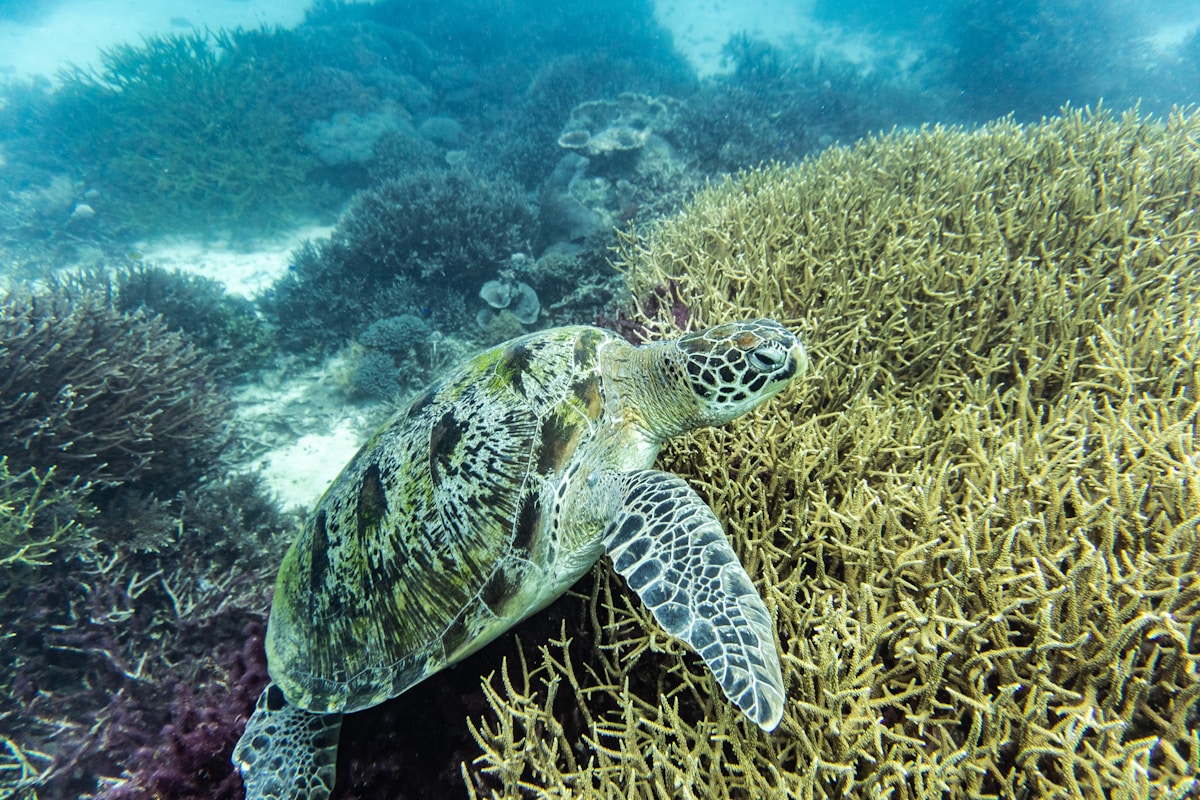
Beyond manta rays, Komodo offers reef sharks (whitetip, blacktip and grey reef species) on almost every dive. Pygmy seahorses are found at multiple sites on gorgonian sea fans. Napoleon wrasse - large, distinctive fish with protruding foreheads - are frequent companions on most reefs. Green and hawksbill turtles are common. Scorpionfish and stonefish camouflage against coral rubble - look but do not touch.
Cephalopods here are outstanding: flamboyant cuttlefish, blue-ringed octopus (beautiful and highly venomous - observe only), and mimic octopus have all been recorded at Komodo sites.
Best Season
April to December covers the primary diving season, with conditions improving after the wet season ends in April. The peak manta season runs April–June and October–November, when concentrations at Manta Alley are highest.
July through September can bring stronger southeast winds - seas on the southern exposed sites become rougher, but northern sites like Tatawa Besar and the Gili Lawa area remain manageable. January to March is wet season: trips still run but rain is likely and some sites become inconsistent.
Getting There
Fly into Labuan Bajo (LBJ) in Flores - the main gateway. Direct flights from Bali take approximately 1.5 hours; fares typically range from approximately IDR 500,000–1,200,000 (as of 2026) one-way with Lion Air, Garuda and TransNusa depending on advance purchase.
Day trips from Labuan Bajo are the most affordable option, combining 2–3 dives with a Komodo dragon viewing stop on Komodo or Rinca Island. Prices run approximately IDR 800,000–1,500,000 per person including dives, equipment, boat and national park entry. Browse diving day trips and tours in Komodo National Park for bookable options including Manta Alley and the northern sites.
Liveaboards run from both Bali and Labuan Bajo, typically covering 5–10 nights. Prices start from approximately USD 180–300 per person per night. Liveaboard access reaches southern sites like Manta Alley more efficiently than day trips and allows earlier tide entries.
Komodo National Park entry fee is approximately IDR 250,000 for foreign visitors (as of 2026) - verify the current rate when booking, as fees have been revised periodically.
Dive Operators
Komodo Dive Centre (Labuan Bajo) is one of the longest-established operations in town, with guides who have dived these sites for decades. Wicked Diving runs both day trips and liveaboard-style tours from Labuan Bajo. Blue Marlin Dive operates from the harbour with morning and afternoon departures daily. For a wider selection of tours in Labuan Bajo including dragon-viewing and sunset sailing trips alongside diving, GetYourGuide has a range of vetted operators.
For liveaboards, operators including Pelagian (luxury), Sea Safari and Komodo Dancer cover the park alongside other Indonesian destinations.
Practical Notes
- A PADI Advanced Open Water (or equivalent) is strongly recommended for the best Komodo sites; Open Water is accepted on some day trips but operators will restrict access to the most demanding sites.
- Bring a wetsuit of at least 3mm - cold upwellings are common and thermoclines dramatic.
- Nitrox is available at most Labuan Bajo operators for a supplement fee - useful given the multiple dives per day typical on trips here.
- Komodo dragons are the headline attraction above water: the dragon viewing stop on Komodo Island (Loh Liang ranger station) requires a licensed ranger guide and is included in most day-trip packages.
- Book Labuan Bajo accommodation and dive trips ahead of time from June–August, when the town fills rapidly with both divers and Komodo tourists.
Search hotels in Komodo on Booking.com
See Also
- Komodo Island guide - the full national park guide: dragons, Pink Beach, and boat tour options
- Labuan Bajo travel guide - the gateway: where to stay, which dive operators to use, and how to arrange trips
- Indonesia liveaboard diving - liveaboard routes covering Komodo and connecting to Raja Ampat
- Indonesia diving guide - how Komodo compares with Bali, Bunaken, Raja Ampat, and Wakatobi