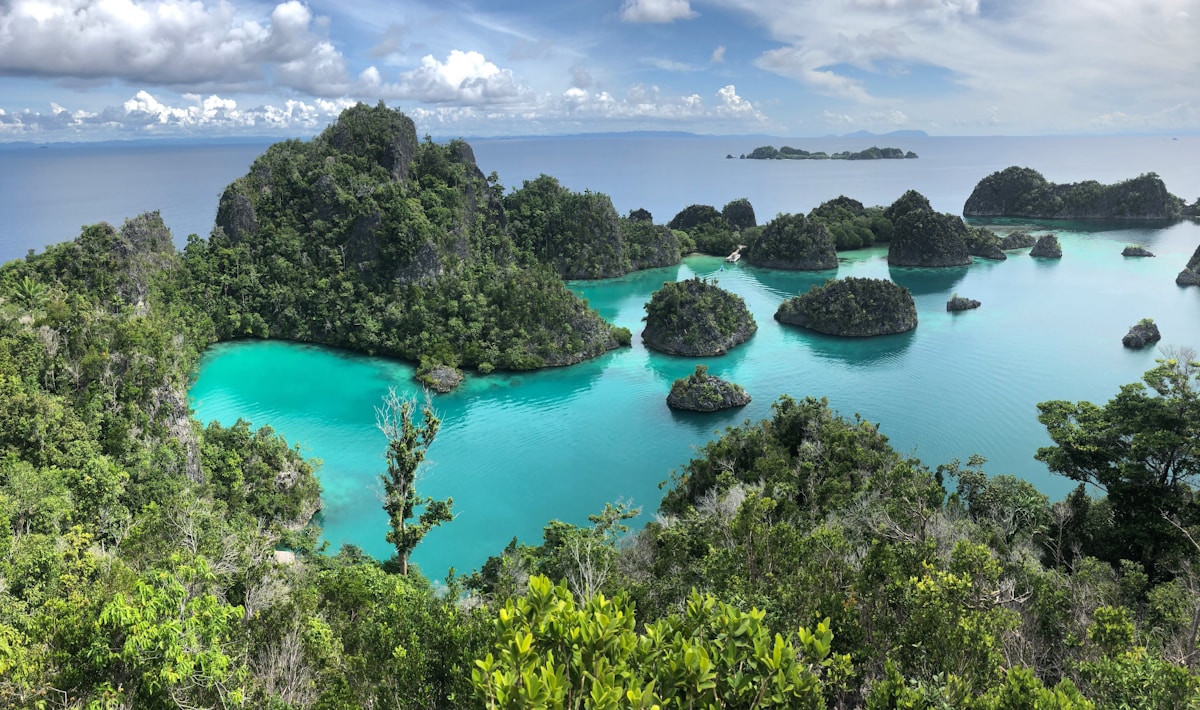
Komodo National Park is one of the few places on earth where you can stand a few metres from the world’s largest living lizard, swim at a beach with blush-pink sand, and drop into some of Southeast Asia’s most biodiverse coral reefs - all in the same day. Spread across the eastern end of the Lesser Sunda Islands between Sumbawa and Flores, the park covers roughly 1,733 square kilometres of land and sea. Every visit starts and ends in Labuan Bajo.
What the Park Covers
The national park encompasses Komodo Island, Rinca Island, Padar Island, Gili Motang, and dozens of smaller islands, plus the surrounding waters. All are managed as a single UNESCO World Heritage Site designated in 1991. Each island has a distinct character - Komodo is the largest and most famous, Rinca is more accessible and often has more dragon sightings per hour, Padar offers the park’s most spectacular hiking viewpoint, and the smaller outcrops are primarily diving and snorkelling territory.
No island is reachable independently. Every visitor joins a boat tour from Labuan Bajo or arrives on a liveaboard. This structure is both a conservation measure and a practical reality - the park has no ferry service or private boat access for individuals.
Komodo Dragons
Varanus komodoensis is the world’s largest living lizard. Adults reach up to 3 metres in length and 90 kilograms in weight. They are found in the wild only on Komodo Island, Rinca Island, Gili Motang, and the western coast of Flores - nowhere else on earth.
Dragons are venomous: their saliva contains anticoagulant compounds that prevent wounds from clotting, and their mouths host dozens of bacteria that cause sepsis. A bite from a dragon is a medical emergency. Rangers carry forked sticks and are trained to intervene; the sticks are for redirection, not as a guarantee of safety. Keep at least 5 metres of distance at all times, never crouch (standing upright signals you are not prey), and move away slowly if a dragon moves toward you.
The best viewing windows are dawn and dusk, when dragons are most active. At midday they shelter under trees and move little. A typical morning visit from Labuan Bajo catches them near the ranger station water sources, where they congregate naturally.
Rangers are compulsory on every island trek. Plan a tip of approximately IDR 50,000–100,000 per ranger at the end of the trek.
Key Sites
Rinca Island
Rinca is closer to Labuan Bajo (about 2 hours by boat versus 3 hours to Komodo Island) and is the standard first stop on one-day tours. Dragon sightings here are generally reliable - the kitchen area near the ranger station is a hotspot. The terrain is open savannah and dry forest, easier to walk than Komodo. Short trek options (approximately 1 hour) suit most fitness levels.
Komodo Island
The island the park is named after. Longer treks (2–4 hours) go deeper into the landscape, and the sightings here can be more dramatic. The island also has the famous Pink Beach on its eastern side.
Padar Island
No dragons on Padar - the attraction is the hike. A 30-minute steep climb over loose volcanic rock delivers a panoramic view of three bays curving in different directions: one white-sand, one black-sand, one pink. It is one of Indonesia’s most photographed landscapes. Arrive before 9am to avoid crowds. Wear proper footwear - the path is steep enough that sandals cause problems on the descent.
Pink Beach
Blush-pink sand caused by red coral fragments mixing with white sand. Snorkelling directly off the beach is included on most boat tours. The coral offshore is healthy and shallow - mask and fins are typically provided by tour operators. No separate fee applies once you are on a tour boat.
Kanawa Island
A smaller island north of Labuan Bajo with an intact fringing reef, good for snorkelling and surface-level freediving. Some full-day and multi-day tours include a stop here.
Crystal Rock & Other Dive Sites
Crystal Rock, Shotgun, and Manta Alley are among the park’s headline dive sites. Manta Alley (off the southern tip of Komodo Island) offers manta ray encounters, most reliably from December to April. Strong currents throughout the park mean diving is best suited to intermediate or confident open-water divers - confirm your experience level with operators before booking a liveaboard.
Boat Tours from Labuan Bajo
There is no independent transport into the national park. All visits go through tour operators based in Labuan Bajo. Prices vary considerably depending on group size, boat quality, and number of stops.
One-day group tours: approximately IDR 600,000–1,000,000 per person, including Rinca, Padar, Pink Beach, and a snorkelling stop. Lunch is usually included. Group sizes range from 8 to 20 people.
Two-day one-night tours: approximately IDR 1,200,000–2,500,000 per person, with overnight camping at Gili Lawa Darat (a small island with a ridge viewpoint for watching the sun rise over the park). This option allows for dawn dragon viewing on day two.
Private boat charter: approximately IDR 4,000,000–8,000,000 per day for a boat carrying up to 8 people. Worth the cost if you are a group of four or more and want to control your itinerary and timing.
Book through operators on Labuan Bajo’s waterfront or via your guesthouse. Ask explicitly which islands are included, whether the national park fee is bundled, and what meal provisions are made.
Where to Stay: Base in Labuan Bajo
There is no accommodation on Komodo Island itself - the island is entirely within a protected national park and overnight stays are not permitted. All visitors base themselves in Labuan Bajo, the small port town on the western tip of Flores, and travel to the park by boat each day. A growing number of visitors also choose liveaboard boats that depart from Labuan Bajo harbour and anchor within the park overnight.
Budget (from approximately USD 15–35/night)
Bajo Paradise Hostel is one of Labuan Bajo’s most popular budget options, with dormitory beds from approximately USD 15/night. Common areas overlook the harbour and the hostel runs its own tour-booking service, making it easy to book boat trips without leaving the property. La Boheme Bajo offers private rooms from approximately USD 25/night in a guesthouse setting close to the waterfront restaurants and dive operators. Gardena Hotel sits slightly back from the main strip with air-conditioned rooms from approximately USD 35/night - a reliable mid-budget choice for travellers who want a private room with a proper shower before an early boat departure.
Mid-range (from approximately USD 75–90/night)
Hotel Puri Sari is a long-established Labuan Bajo property with garden-facing rooms from approximately USD 75/night. It has a pool, a restaurant, and a dive centre on-site, making it one of the more complete packages at this price point. Bayview Gardens Hotel offers hillside rooms with partial sea views from approximately USD 80/night - the elevated position catches the breeze and the views improve in the early morning. Bintang Flores Hotel is a newer property at approximately USD 90/night with consistent service, a good breakfast spread, and tour desk connections to the main operators running park day trips.
Luxury (from approximately USD 200–350/night)
Sudamala Suites and Villas is a boutique property on the Labuan Bajo hillside with a pool and terrace restaurant, from approximately USD 200/night. It is well-regarded for service and is a popular choice for divers doing multi-day liveaboard packages who want a comfortable first and last night. Plataran Komodo sits on a ridge above Labuan Bajo with sweeping views over the bay and an outdoor pool, from approximately USD 280/night - the design draws on traditional Manggarai architecture and the property runs its own fleet of day-tour boats. Ayana Komodo Waecicu Beach is the top-end address near Labuan Bajo, set on a private cove 15 minutes from town by hotel boat, with rates from approximately USD 350/night. It has direct beach access, a spa, and the most polished service in the area.
Liveaboard Option
Many visitors to Komodo skip land-based accommodation entirely and stay on a liveaboard boat for 2 to 5 nights. These typically include all transport to the park islands, meals, and guided snorkelling or diving. Costs range from approximately USD 200 to USD 600 per person per night all-inclusive, depending on boat quality and group size. Komodo diving cruises are a practical choice for serious divers who want extended time at Crystal Rock, Manta Alley, and the outer dive sites that day tours cannot reach.
Search hotels in Labuan Bajo on Booking.com
Park Entry Fees
Komodo National Park charges a separate admission fee from the boat tour cost. As of 2026, the foreign visitor entry fee is approximately IDR 250,000 per visit. Additional fees for dragon viewing and ranger accompaniment have been proposed and revised multiple times - verify the current structure directly with your tour operator or the Komodo National Park authority in Labuan Bajo before booking, as fees have changed in recent years.
Best Time to Visit
April to December is the dry season and the recommended window. Seas are calmer, visibility is better for snorkelling and diving, and the savannah landscape is at its most dramatic - golden and dry. January to March is technically possible but the sea crossing can be rough and some boat tours are cancelled or rerouted due to swell.
Manta rays are most reliably seen from December to April. Peak tourist months are July and August - if you want Padar viewpoint without crowds, go in May, June, or September.
Practical Notes
Labuan Bajo has a small airport (LBJ) with flights from Bali (approximately 1 hour 40 minutes) via Garuda, Lion Air, and TransNusa. Book accommodation in Labuan Bajo at least a week ahead in peak season. The town has ATMs, pharmacies, and dive operators who rent full equipment. Bring reef-safe sunscreen - standard sunscreen is banned in the park.
Seasickness is common on the boat crossing to Komodo Island. If you are susceptible, take motion sickness medication the night before and the morning of your tour.
Book tours and day trips in Komodo - most include transport from your guesthouse and a local guide familiar with the island’s best spots. Bookaway covers the main ferry routes between the islands - book in advance during peak season when boats fill quickly.
Komodo Itineraries and Related Guides
- Komodo boat trips guide - day tours, overnight cruises, and liveaboard options from Labuan Bajo
- Komodo dragon facts - the biology, behaviour, and conservation of the world’s largest lizard
- Komodo diving guide - the best dive sites, currents, and when to go
- 10-day Komodo and Flores itinerary - combining Komodo with the Trans-Flores Highway
- Komodo vs Raja Ampat - how to choose between Indonesia’s two iconic eastern destinations