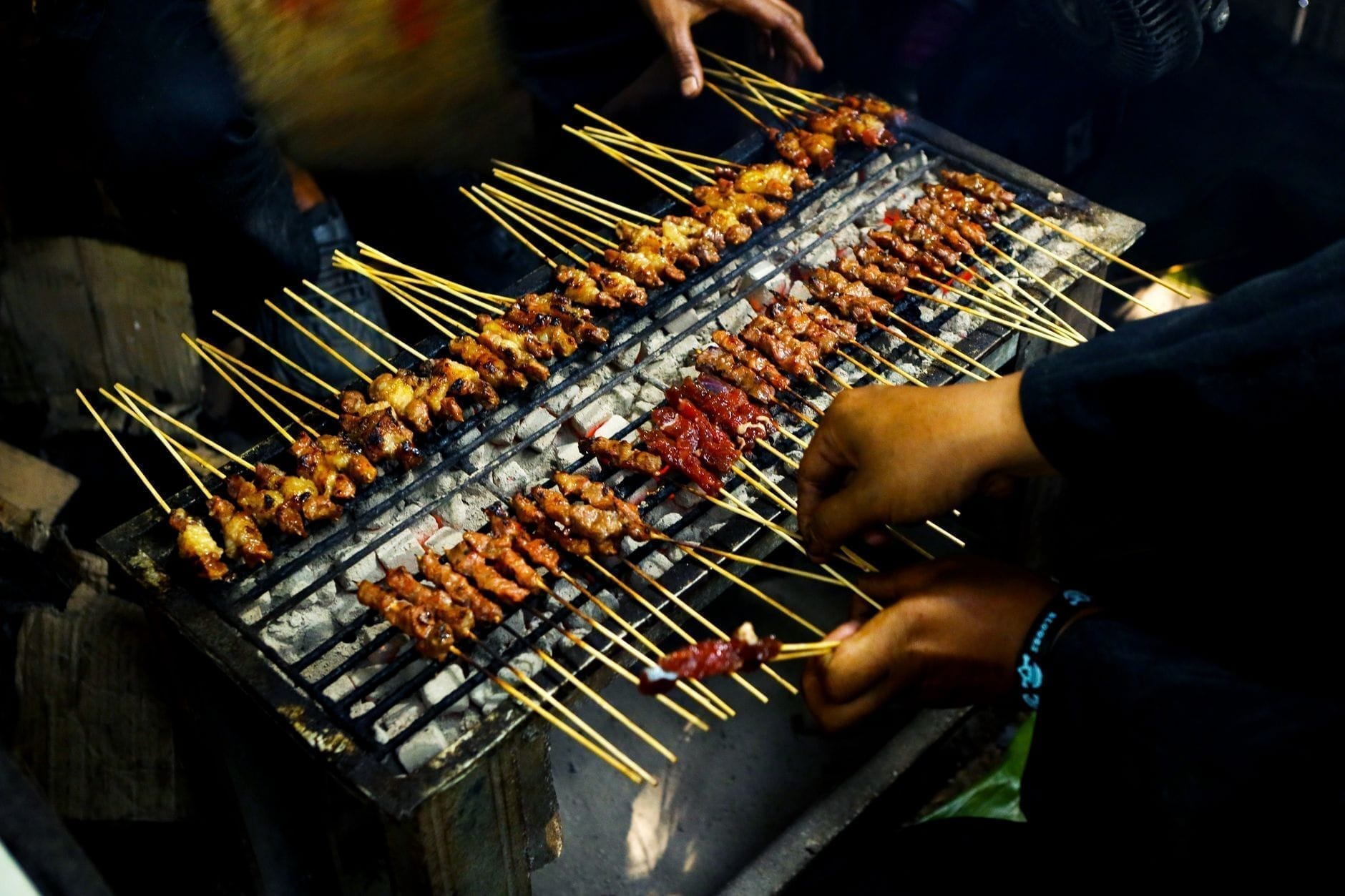
Indonesia is one of the most straightforward countries in the world for halal food. With 237 million Muslim residents - the largest Muslim population of any country - pork-free cooking is the default across most of the archipelago. Understanding a few local signs and neighbourhood names makes navigating the food scene simple.
Understanding Halal Status in Indonesia
The MUI (Majelis Ulama Indonesia) is the national body that issues halal certification. The green MUI logo is displayed on packaging and sometimes at restaurant entrances. However, the absence of a certificate does not mean a restaurant is not halal - the vast majority of Indonesian warungs, food stalls, and local restaurants are halal by practice without being formally certified.
The two main situations where halal status requires checking:
Chinese-Indonesian restaurants (Rumah Makan Cina): Chinese cuisine in Indonesia sometimes includes pork (babi). Menus will typically list babi-based dishes clearly. If uncertain, look for an MUI logo or ask.
Bali: Bali is 87% Hindu and pork appears widely on menus - babi guling (suckling pig), babi sate (pork satay), and lawar (pork minced salad) are Balinese specialities. Muslim-run restaurants and certified halal restaurants exist across the island, but in tourist areas like Seminyak and Kuta, checking for babi on the menu is worth doing.
The key question to ask: “Ada babi di sini?” (Is there pork here?) - a direct and widely understood question across Indonesia.
Halal Food in Bali
Bali’s majority-Hindu population and heavy tourist presence make it the most complex island for halal dining, but options are plentiful if you know where to look.
Denpasar - Kampung Jawa and Kampung Arab: The Muslim quarter around Jalan Imam Bonjol and Jalan Kartini in central Denpasar has a dense concentration of halal warungs and restaurants. Kampung Arab (Arab Quarter), near the Al-Mubarok Mosque on Jalan Sulawesi, has several halal Middle Eastern and Indonesian restaurants.
Ubud: The central market area around Pasar Ubud on Jalan Suweta has halal nasi campur and warung food. The Jalan Dewi Sita area in central Ubud has multiple halal restaurants - look for MUI logos or signage reading “halal” near the entrance. Several Indonesian-run warungs around the market are halal by practice.
Kuta and Seminyak: Tourist-heavy but manageable. The Makanan Halal Street area around Jalan Sunset Road and Jalan By Pass Ngurah Rai in Kuta has halal warungs serving nasi goreng, soto, bakso, and grilled fish. Look for warungs without beer signage and with halal stickers.
Practical note: Halal-certified restaurants in Bali are fewer than on Muslim-majority islands. The most reliable approach is choosing Indonesian rather than Western or Chinese-style restaurants, and confirming no pork is used.
Halal Food in Jakarta
Jakarta’s Muslim majority makes it one of the easiest halal cities in Southeast Asia. Almost all street food and local restaurants are halal by default.
Jalan Sabang (Central Jakarta): This well-known food street near Sarinah department store has dozens of halal restaurants selling sate, nasi goreng, gado-gado, bakso, and soto. Open from morning until around 11pm. The cluster of warungs and mid-range restaurants here caters heavily to Muslim office workers.
Tanah Abang Market (Pasar Tanah Abang): One of the largest textile and wholesale markets in Southeast Asia, the surrounding streets are packed with halal warung food. Martabak sellers, soto stands, and nasi Padang restaurants operate throughout the day.
Glodok (Chinatown): Worth mentioning because it’s an exception. Glodok has pork-serving restaurants as part of its Chinese heritage. Halal options exist here too, but the MUI logo or “halal” signage is the reliable filter.
Nasi Padang restaurants: Jakarta is filled with Rumah Makan Padang (Padang restaurants) from West Sumatra - these serve rendang, curry-based dishes, and grilled fish, and are universally halal. The chain Sari Bundo and independent Padang restaurants are identifiable by the window displays of multi-dish trays.
Benhil Market (Pasar Bendungan Hilir): During Ramadan this becomes Jakarta’s most famous takjil iftar market, but year-round it’s a reliable cluster of halal street food stalls. Located on Jalan Bendungan Hilir, Central Jakarta.
Halal Food in Yogyakarta
Yogyakarta is a deeply Muslim city and halal food is the overwhelming default. The following areas are particularly good:
Malioboro Street: The central tourist drag has a mix of tourist cafes and local warungs. The warung-style restaurants along the western side of Malioboro near the train station end are halal Indonesian food - nasi goreng, ayam bakar (grilled chicken), and gudeg (jackfruit stew, Yogya’s signature dish). Gudeg Yu Djum on Jalan Wijilan is one of the most famous gudeg restaurants in the city - halal, open from early morning.
Pasar Beringharjo: The main traditional market on Jalan Malioboro has a food section on the upper floor with halal snacks and lunch dishes. The street outside has bakso (meatball soup) and soto carts.
Jalan Wijilan (Gudeg Street): A short walk east of Kraton (Royal Palace), this lane is dedicated almost entirely to gudeg restaurants. All are halal - gudeg is made from young jackfruit cooked in coconut milk with chicken, egg, and tofu. Prices run from approximately IDR 25,000 to IDR 60,000 per portion (as of 2026).
Angkringan: Yogyakarta is famous for its angkringan - low-profile roadside carts selling nasi kucing (small rice packets with various toppings), skewered snacks, and sweet tea. All angkringan food is halal. The area around Jalan Mangkubumi (north of the train station) has a dense cluster of angkringan particularly active from evening.
Halal Food in Lombok
Lombok’s Sasak Muslim population means the island is almost entirely halal by default. Pork is essentially absent from the local food scene.
Mataram: The capital city has a wide range of halal restaurants concentrated around Jalan Pejanggik (the main commercial strip) and the Mandalika Market area near the city centre. Plecing kangkung (water spinach in chilli sauce) and ayam taliwang (Sasak spiced grilled chicken) are the island’s signature dishes - both halal and available at dozens of restaurants in Mataram.
Senggigi Beach: This tourist strip has halal restaurants alongside Western-style cafes. The warung cluster on the main beachside road serves halal seafood grills and Indonesian standards. Ayam taliwang is on most menus.
Kuta Lombok: The growing south coast surf town has a mix of tourist restaurants and local warungs. The warung strip near the central roundabout serves halal Indonesian food at local prices (nasi campur from around IDR 20,000). Tourist-facing cafes around the main road are generally halal by practice.
Gili Islands: The Gili Islands (Gili Trawangan, Gili Air, Gili Meno) are tourist-oriented and menus include alcohol and occasionally non-halal items. Halal restaurants exist across all three islands - look for Indonesian warung-style operators rather than Western-branded establishments.
Key Indonesian Halal Dishes to Know
Most of Indonesia’s national dishes are halal by nature:
- Nasi goreng (fried rice) - halal when made with chicken or seafood; confirm no babi version
- Sate ayam/sapi (chicken/beef satay) - halal on non-Bali islands
- Rendang (slow-cooked beef in coconut curry) - always halal, a West Sumatran signature
- Gado-gado (peanut sauce salad) - always halal, vegetable-based
- Bakso (beef meatball soup) - halal
- Soto (regional broth soups, usually chicken or beef) - halal
- Nasi Padang (the Padang-style spread) - halal at all Rumah Makan Padang
For a deeper look at Indonesian cuisine broadly, see our Indonesian food guide.
Search hotels in Indonesia on Booking.com
See Also
- Travelling Indonesia during Ramadan - restaurant hours, takjil markets, and etiquette during the fasting month
- Lombok: Muslim-friendly travel guide - Indonesia’s most Muslim-majority island with no pork and halal food as the default
- Warung guide Indonesia - understanding Indonesia’s local eateries, where most halal food is served
- Javanese food guide - Java’s cuisine, which is halal by default across most dishes
- Padang food guide - West Sumatran cuisine including rendang, universally halal and available across the archipelago
Plan Your Trip
✈️ Book your flights to Indonesia 🛡️ Get travel insurance 📱 Stay connected with an eSIM 🚗 Rent a car