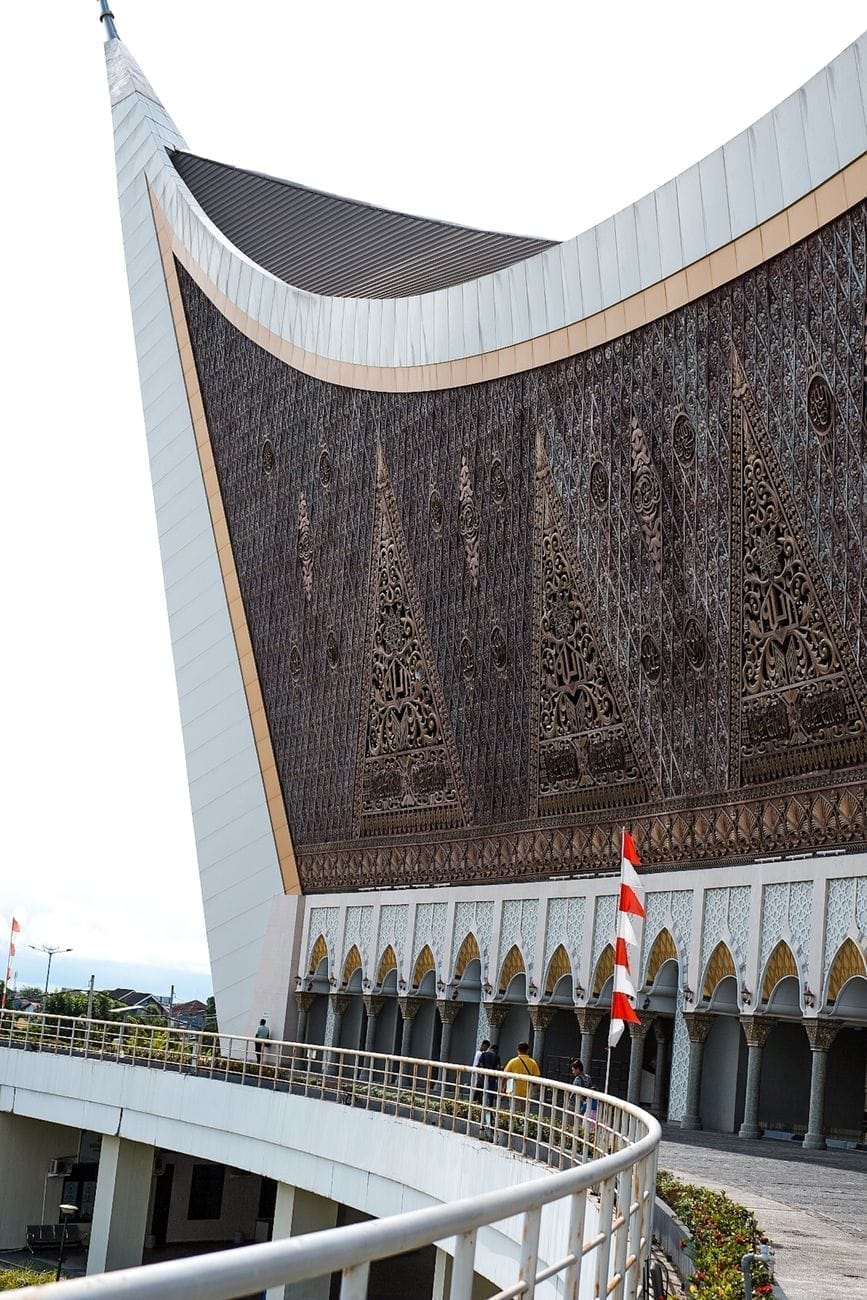
Indonesia has the world’s largest Muslim population - approximately 237 million people, or around 87% of the country. Ramadan shapes the rhythm of daily life across the archipelago for one month each year, and travelling during this period is a genuinely rewarding experience if you know what to expect.
What Changes During Ramadan
The most visible change is food service. Many warungs (small local eateries) close during daylight hours, with owners and staff fasting from the pre-dawn meal (suhoor) until sunset (iftar). This does not mean you will go hungry - tourist restaurants, hotels, supermarkets like Indomaret and Alfamart, and food courts in malls typically remain open throughout the day.
From around 4pm, the atmosphere shifts dramatically. Takjil markets - temporary street stalls selling iftar snacks - appear across cities and towns. Dates, kolak (banana in coconut milk), es buah (fruit ice), martabak, and fried snacks fill the stalls. These markets usually run from roughly 4pm to 7pm and are some of the most vibrant food experiences in the Indonesian calendar.
After iftar, especially during the final ten days of Ramadan, many mosques hold tarawih prayers from around 7:30pm. The atmosphere in residential neighbourhoods becomes communal and festive. Loudspeakers broadcast prayers and Quranic recitation before dawn (around 3:30–4am depending on location), which may be audible from accommodation in residential areas.
Cultural Etiquette
A few simple considerations go a long way:
- Eating in public: In tourist areas this is generally accepted. In conservative neighbourhoods, markets, and smaller towns, eating or drinking openly before iftar is seen as disrespectful. Step into a restaurant or eat discreetly.
- Dress: Dress modestly when visiting local markets, mosques, or government buildings. Cover shoulders and knees. This applies year-round but is worth reinforcing during Ramadan.
- Greetings: “Ramadan Kareem” or “Selamat Ramadan” are appreciated by Muslim Indonesians. Acknowledging the fast - without making a fuss - is always well received.
- Alcohol: Available in tourist areas but served discreetly during Ramadan in many restaurants. Minimarkets like Indomaret may restrict alcohol sales in some provinces.
- Photography at mosques: Ask permission before photographing worshippers, particularly during prayers.
City-by-City Tips
Bali
Bali is around 87% Hindu, and the tourist economy runs 365 days a year. Restaurants, cafes, bars, and beach clubs in Seminyak, Canggu, Ubud, and Uluwatu operate on normal hours throughout Ramadan. You will hear the call to prayer from mosques in areas with Balinese Muslim communities - notably Singaraja in the north and parts of Denpasar - but the island’s character is largely unaffected.
If you want to experience the Ramadan atmosphere, seek out the Muslim quarter in Denpasar’s Kampung Jawa area near Jalan Imam Bonjol, where takjil markets operate from late afternoon.
Jakarta
Jakarta is one of the most intense Ramadan cities in Indonesia. The city’s roughly 10 million Muslim residents fast, and this has practical implications: warung-heavy food streets like Jalan Sabang (Central Jakarta) see reduced daytime stalls, though the food court in Grand Indonesia mall and tourist-facing restaurants remain open.
The standout experience is Benhil Market (Pasar Bendungan Hilir) in Central Jakarta, which transforms into one of the country’s most famous takjil markets each afternoon. Hundreds of vendors sell traditional iftar snacks along the street - arrive by 4:30pm for the best selection before the rush at maghrib prayer time.
Jakarta’s hotel breakfasts shift to accommodate suhoor (pre-dawn meal) timing, so ask your hotel about suhoor availability if you have early starts.
For travel logistics, Jakarta’s MRT, KRL commuter rail, and TransJakarta buses run normal schedules during Ramadan but become exceptionally crowded around iftar time as workers rush home. Avoid peak-hour travel between 5pm and 7pm.
Yogyakarta
Yogyakarta is deeply Islamic and the Ramadan atmosphere here is more visible than in Bali or tourist-focused areas of Jakarta. The Kauman neighbourhood, immediately west of the Kraton (Royal Palace), is the spiritual heart of Yogyakarta’s Muslim community - home to the Masjid Gedhe Kauman (the Grand Mosque, open to respectful visitors outside prayer times), and the base of some of the city’s best takjil markets.
The Malioboro Street area sees reduced warung activity during daylight, but many restaurants catering to tourists remain open. The Beringharjo Market (Pasar Beringharjo) on Jalan Malioboro still operates, though some food sections slow down before iftar.
Yogyakarta’s Ramadan speciality is gudeg - the city’s signature jackfruit dish - available at dedicated gudeg restaurants that often open from midnight until dawn to serve suhoor diners. This is worth setting an alarm for.
Lombok
Lombok is predominantly Muslim (Sasak people, approximately 85% of the population) and Ramadan here is observed more strictly than in tourist-heavy Bali. On the Gili Islands (Gili Trawangan, Gili Air, Gili Meno), the tourist infrastructure of restaurants and bars remains open for visitors, but the mainland experience is quite different.
In Mataram (the provincial capital), and in small towns like Praya and Selong, many local eateries close during daylight hours. Tourist restaurants around Senggigi Beach area operate normally. The central mosque, Masjid Raya Islamic Centre (Jalan Udayana, Mataram) - one of the largest mosques in Southeast Asia with a capacity for 100,000 worshippers - becomes a significant gathering point, particularly during tarawih evenings and the Eid prayer.
Kuta Lombok, a growing surf and tourist town on the south coast, has enough tourist-facing restaurants to make daytime eating comfortable.
The Lebaran (Eid al-Fitr) Travel Warning
The most practically disruptive aspect of Ramadan for travellers is Lebaran - the Eid al-Fitr holiday that follows the fasting month. In the days before Eid, tens of millions of Indonesians travel home to their families in what is called mudik (the great homecoming). Buses, trains, and ferries sell out weeks in advance. Domestic flights double or triple in price. The main Java–Bali ferry crossing at Ketapang/Gilimanuk experiences queues measured in hours rather than minutes.
If your trip overlaps with Lebaran:
- Book domestic transport at least four weeks ahead
- Expect the ferry from Ketapang (Banyuwangi, East Java) to Gilimanuk (Bali) to be very slow
- Budget accommodation in popular destinations like Yogyakarta and Lombok can fill completely
- For inter-island travel, consider flights to Indonesia rather than ferries - domestic routes between Jakarta, Bali, Lombok and Makassar book out weeks ahead around Lebaran
The two to three days after Eid itself are calmer - the migration has occurred and many Indonesians remain in their hometowns for a few days before returning.
Is Ramadan a Good Time to Visit?
For travellers who want to engage with Indonesian culture at its most expressive, Ramadan is one of the most rewarding times to visit. The takjil markets are extraordinary, the communal atmosphere is warm, the mosques are at their most active, and hotel rates outside tourist areas often drop. With a little awareness of opening hours and etiquette, the disruption is minimal.
For more on timing your trip, see our best time to visit Indonesia guide.
Search hotels in Indonesia on Booking.com
See Also
- Halal food in Indonesia - city-by-city guide to halal restaurants, markets and what to look for on menus
- Visiting Indonesia in March - Ramadan and Nyepi often overlap in March; what this means for timing
- Bali festivals calendar - Balinese ceremonial events running alongside Ramadan on the Hindu island
- Indonesia travel costs - how accommodation and food pricing shifts around Lebaran
- Lombok island guide - Indonesia’s most observant Muslim island and how Ramadan shapes daily life there
Plan Your Trip
✈️ Book your flights to Indonesia 🛡️ Get travel insurance 📱 Stay connected with an eSIM 🚗 Rent a car