Search hotels in Ubud on Booking.com
The Monkey Forest is the most visited single site in Ubud, and also the easiest to get wrong. Visitors arrive with a phone in one hand and a banana in the other, leave without understanding that the forest is a working Hindu sanctuary, and sometimes leave with a scratch. This page covers what the sanctuary is, what you pay, how to behave, and when to go. For the rest of the town, see our things to do in Ubud guide, where the Monkey Forest is one of ten stops.
What the Monkey Forest actually is
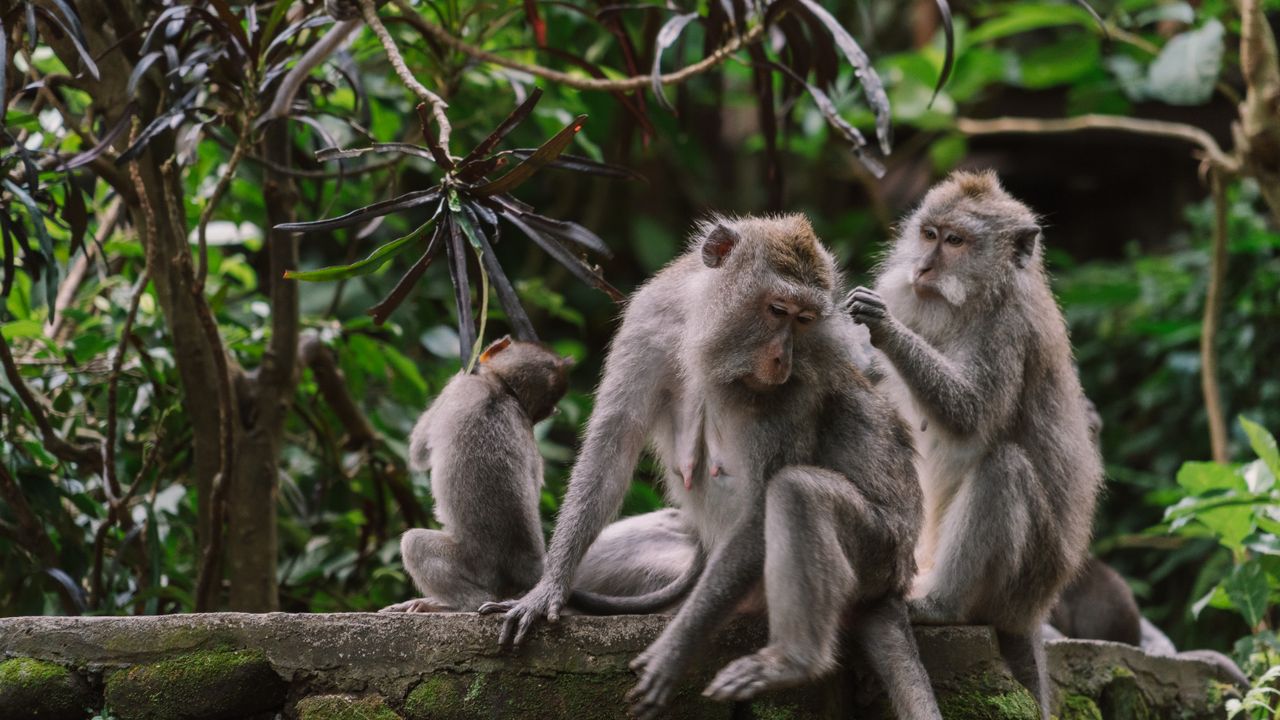
Officially the Mandala Suci Wenara Wana (Sacred Monkey Forest Sanctuary), it is managed by the village of Padangtegal and sits at the southern end of Ubud town. According to the official Monkey Forest site, it covers about 12.5 hectares with 186 tree species and roughly 1,030 long-tailed macaques. The monkeys are protected because the Balinese Hindu concept of Tri Hita Karana - harmony between people, nature and the divine - treats the forest as part of the temple complex rather than as a zoo.
Three temples sit inside the grounds:
- Main Temple (Pura Dalem Agung): in the southwest, dedicated to Shiva, the destroyer and transformer.
- Holy Spring Temple (Beji): in the northwest, where Balinese worshippers carry out melukat purification in spring water.
- Cremation Temple (Prajapati): in the northeast beside the village cemetery.
These are active places of worship. Visitors can view them from outside but may not enter the inner courtyards, and during ceremonies some paths are closed. If you see offerings on the ground, step around them.
Entry fee and opening hours (as of 2026)
| Details | |
|---|---|
| Adult ticket | IDR 130,000 |
| Child ticket | IDR 100,000 |
| Hours | 9am to 6pm daily |
| Last entry | 5pm |
| Address | Jalan Monkey Forest, Padangtegal, Ubud |
Prices come from the official site in October 2026. Several third-party pages still quote lower figures or a weekday/weekend split, so confirm at the gate if the exact amount matters to your budget. Pay in rupiah; carry small notes for the water and souvenir sellers outside.
Getting there
The main entrance is at the bottom of Monkey Forest Road, about 1.5 kilometres south of Ubud Palace. Most visitors walk it in 15 to 20 minutes along a pavement that is narrow in places, and the road is lined with cafes, shops and massage studios, so the walk is part of the visit. A Grab or Gojek ride from central Ubud is the easy option in the heat, and scooters can be parked near the gate. There are other entrances, but the main gate is the simplest. Our Bali transport guide covers scooters, drivers and ride-hailing across the island.
Rules for dealing with the monkeys
The macaques know visitors well and they are quick. These habits prevent almost every incident:
- Do not carry visible food. Keep snacks, sweets and sealed drinks inside a zipped bag. Do not feed the monkeys, and do not buy bananas from sellers to hand over; use the forest as the place to watch behaviour, not to stage photographs.
- Secure loose items. Sunglasses on a head strap, hats, water bottles in side pockets and dangling earrings are targets. Phones held loosely at head height get grabbed.
- Avoid eye contact and baring teeth. A fixed stare or a smile with teeth reads as a threat to a macaque.
- Never touch a baby. Adults will defend infants quickly.
- Stay calm if one climbs on you. Stand still, do not shout or swat, and let a staff member remove it.
- Skip plastic bags and rubbish. Monkeys will pull at them, and litter harms the forest.
The forest staff, usually in uniform around the paths, are used to handling incidents and will help.
If you are bitten or scratched
Wash the wound thoroughly with soap and running water for at least 15 minutes, report it to staff, and see a doctor the same day. Rabies is present in Indonesia and post-exposure treatment must start promptly. Check the pre-trip advice in our Indonesia health and vaccinations guide, and make sure your travel insurance covers medical treatment. For general safety, see our Indonesia safety guide.
What to wear
Temple dress rules apply here. Cover your shoulders and knees if you plan to approach any temple area, and carry a light sarong. The forest paths are shaded but humid, so wear closed-toe shoes with grip; stone steps and mossy sections are slippery after rain. Bring water in a bag with a zip.
Best time to visit
- Opening time (9am): the forest is cooler and quieter, and the monkeys are lively.
- After 4pm: tour groups leave, the low sun comes through the canopy and photography is easier.
- Midday: the busiest period, especially from 11am to 2pm when tour buses arrive.
- Dry season (April to October): better underfoot. In the wet months the paths get slick, though the forest looks greener and crowds are smaller.
Our best time to visit Bali guide covers the seasons in more detail.
Combine it with other Ubud stops
The Monkey Forest works as a short morning or late-afternoon stop rather than a full day. Pair it with a walk to the Ubud Palace and market, an evening dance performance, or a meal on Ubud’s best restaurants list. For something further out, our day trips from Ubud guide lists Tegallalang, Tirta Empul and Goa Gajah. If you would like a guide to explain the temple symbolism and the monkey behaviour, many Ubud tours include the sanctuary as one stop with a driver, and a half-day guided itinerary is typically more useful than a solo visit if it is your first time in Bali. You can also compare options on our best tours in Ubud page.
If you are choosing a base, our where to stay in Ubud guide explains which neighbourhoods are within walking distance of the sanctuary.
Quick answers
- Is it worth it? Yes for first-time visitors, if you accept it is busy and treat the temples with respect. Skip it if you dislike crowds or are nervous around animals.
- Is it good for children? Many families enjoy it, but supervise closely, keep small children off the ground and carry no food.
- Can I take photos? Yes, but keep a safe distance and do not use flash near the temples or ceremonies.