Search hotels in Indonesia on Booking.com
Indonesia receives tens of millions of tourists annually, and the vast majority have trouble-free visits. That said, the country has genuine hazards - volcanic activity, traffic, tropical disease, and occasional petty crime - that are worth understanding before you arrive. This guide gives a realistic assessment.
Overall Safety Level
Indonesia is relatively safe for tourists by Southeast Asian standards. Violent crime targeting foreigners is uncommon. The risks that actually catch travellers out are mostly mundane: traffic accidents, stomach illness, and opportunistic theft in crowded tourist zones.
That said, Indonesia’s geography introduces hazards most Western tourists haven’t encountered before - active volcanoes, seismic activity, and tsunami risk in coastal areas. Being informed about these doesn’t require anxiety; it just requires basic preparation. If you’re heading out alone, our Indonesia solo travel guide covers safety by region, solo-friendly bases like Canggu, and how liveaboard diving trips work as a way to travel with others.
Petty Theft
Pickpocketing and bag snatching happen in busy tourist areas, particularly in Kuta, Seminyak, and Legian in Bali, and on public transport in Jakarta. Keep day bags in front of you in crowds. Don’t leave valuables on motorbike seats or visible in rental cars.
Phone snatching by motorbike riders is reported in urban areas - particularly in Jakarta and Surabaya. Avoid using your phone in open-hand position on the street if you can, especially near main roads.
Guesthouse and hotel theft is uncommon but not unknown. Use the in-room safe for passports, spare cash, and electronics when you leave.
Traffic
Motorbike accidents are the single most common cause of serious injury to tourists in Bali. The roads are chaotic, local driving culture is aggressive, and the combination of unfamiliar conditions, potholes, and sometimes poor-quality rentals results in a steady stream of traveller casualties.
If you rent a motorbike:
- Wear a helmet every time - it is legally required and saves lives
- Photograph all existing damage before accepting the bike
- Do not ride at night if you’re unfamiliar with the roads
- International driving licence technically required for motorbikes in Indonesia - check your insurance policy requirements
If you don’t feel confident, Grab and Gojek are cheap and readily available in Bali, Jakarta, and most tourist areas. Hiring a private driver for a day costs approximately IDR 500,000–700,000 in Bali and removes the risk entirely.
Natural Hazards
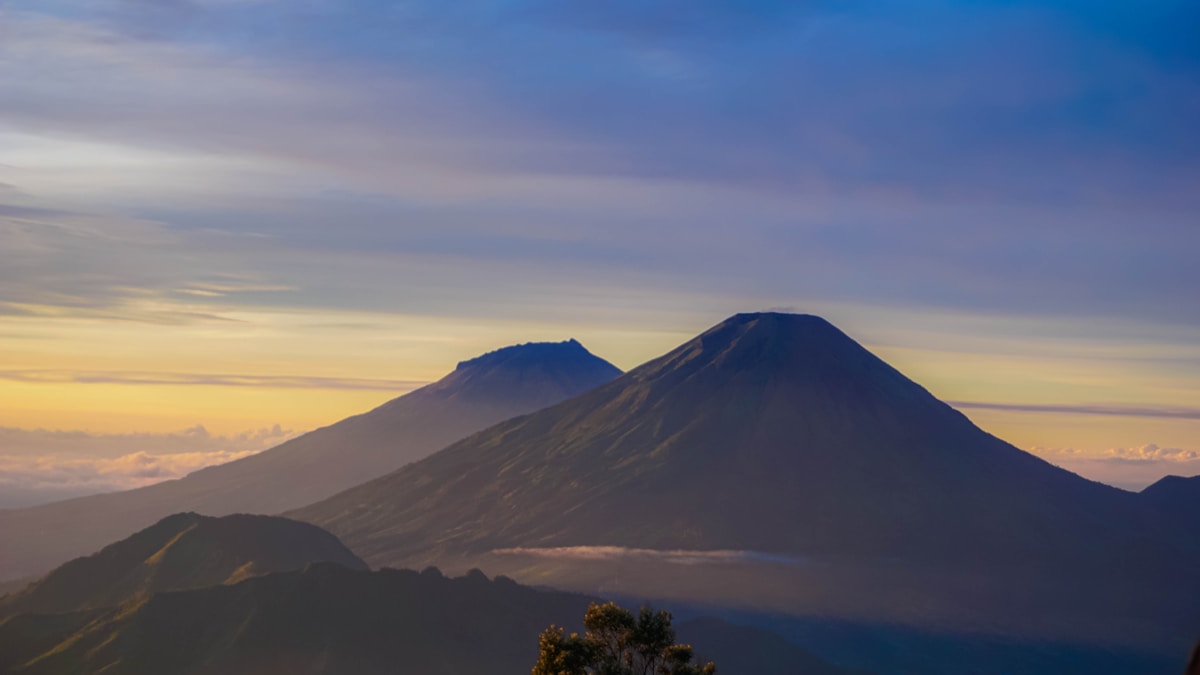
Volcanoes. Indonesia sits on the Pacific Ring of Fire and has more active volcanoes than almost any other country. Mount Agung (Bali), Mount Rinjani (Lombok), Mount Bromo and Mount Merapi (Java) are the most visited. All can experience activity changes. Check the Indonesian Centre for Volcanology and Geological Hazard Mitigation (PVMBG) status before trekking. Exclusion zones are enforced and exist for good reason.
Earthquakes. Indonesia experiences frequent seismic activity. Most tremors are minor, but significant earthquakes occur. Know the emergency exits at your accommodation and basic drop-cover-hold procedure.
Tsunamis. Coastal areas - particularly those facing open ocean - carry tsunami risk following significant undersea earthquakes. Know the evacuation route from your coastal accommodation. Look for the blue tsunami evacuation signs that appear in most at-risk coastal areas of Bali and Lombok. If you feel a strong earthquake while near the coast, move to high ground immediately without waiting for an official warning.
Rip currents. Bali’s west-facing beaches (Kuta, Seminyak, Canggu) have powerful surf and dangerous rip currents. Swim between the flags where lifeguards are present. Several tourist drownings occur every year - the surf looks gentler than it is.
Water and Food Safety
Do not drink tap water anywhere in Indonesia. This applies to cities and tourist areas as well as rural areas. Bottled water (Aqua brand is ubiquitous) costs from approximately IDR 5,000 for a 600ml bottle and is available at every convenience store, warung, and market.
Avoid ice in basic warungs and street stalls unless you’re confident it’s made from filtered water. Ice in tourist-oriented cafes and restaurants is generally safe.
Bali belly - traveller’s diarrhoea - is extremely common in the first week. It’s caused by your digestive system adjusting to new bacteria in food and water. It usually resolves within 48–72 hours. Oral rehydration salts and rest are the main treatment. Imodium is available at pharmacies (apotek) across Indonesia. If symptoms persist beyond three days or include a high fever, see a doctor.
Warungs (small local restaurants) are generally safe and are where Indonesians eat every day. Street food from busy, high-turnover stalls is usually fine. The highest-risk food is anything that has been sitting out in heat for hours, or raw shellfish from uncertified sources.
Health Risks
Dengue fever is present throughout Indonesia, including Bali - it is not a risk confined to rural areas. Symptoms include high fever, severe headache, muscle and joint pain, and rash. There is no vaccine widely available for travellers (a dengue vaccine exists but has specific eligibility criteria - discuss with your GP). Prevention is repellent: use DEET-based repellent, especially at dawn and dusk when Aedes mosquitoes are most active.
Rabies is present in Indonesia, including Bali. Avoid petting stray dogs, monkeys, or other animals. If bitten or scratched, wash the wound thoroughly with soap and water for at least 15 minutes and seek medical attention immediately. Rabies is fatal once symptoms appear - post-exposure treatment is effective but must begin promptly.
Hospitals and Medical Care
In Bali: BIMC Hospital in Kuta and Nusa Dua, and Siloam Hospitals, are the most reliable facilities for tourists. They have English-speaking staff and accept international insurance.
For serious emergencies: SOS International (International SOS) operates a clinic in Bali and coordinates medical evacuations to Singapore or Australia. Medical evacuation costs can exceed USD 50,000 - travel insurance with evacuation cover is essential.
Pharmacies (apotek): Available in every town and most villages. Ibuprofen, paracetamol, antibiotics (often over the counter), antihistamines, and stomach medications are widely available.
Emergency Numbers
- 112 - universal emergency number (police, ambulance, fire)
- 119 - ambulance
- 110 - police
- 113 - fire
Save the number of your nearest hospital and your travel insurer’s emergency line in your phone before you need them.
Travel Insurance
Travel insurance is not optional for Indonesia. Medical costs at reputable hospitals can be significant, and medical evacuation to Singapore or Australia - the standard for serious cases - can run into tens of thousands of dollars. Ensure your policy specifically includes medical evacuation and does not exclude activities you plan to do (trekking, diving, motorbike riding).
We recommend sorting travel insurance before you fly - EKTA covers Indonesia including medical evacuation, which can cost tens of thousands of dollars without cover in remote areas like Raja Ampat or Flores. Picking up an Indonesia eSIM before you fly means you land connected - no queuing at airport SIM kiosks on arrival.
See Also
- Indonesia travel insurance guide - how to choose the right policy and what to ensure it covers
- Indonesia health and vaccinations - vaccines, dengue precautions, and health prep
- Indonesia currency and money - avoiding ATM skimming, fake money changers, and scams
- First time in Indonesia - the complete guide for first-time visitors including safety overview
- Indonesia rainy season guide - flood risks, volcanic activity, and wet season safety
Ready to Plan Your Trip?
See our itineraries for inspiration:
- One Week in Indonesia - Bali, Nusa Penida, Gili Islands and Lombok
- 2 Weeks in Indonesia - the island-hopping route from Bali east
- 1 Week in Bali - day-by-day first-timer’s guide with costs
Plan Your Trip
✈️ Book your flights to Indonesia 🛡️ Get travel insurance 📱 Stay connected with an eSIM 🚗 Rent a car