Search hotels in Ubud on Booking.com
Pura Luhur Batukaru is the quiet counterpart to Bali’s coastal temples. It sits on the south-western slope of Mount Batukaru in Tabanan regency, in damp, mossy forest where mist drifts through the shrines by mid-morning. If you have done the main sights around Ubud and want somewhere calmer, this is a good day-trip target. This page covers fees, hours, etiquette and a sensible route. It expands item seven of our Ubud things to do list.
What Batukaru Temple is
Batukaru is one of Bali’s major directional temples, known as the sad kahyangan, and guards the western side of the island. Mount Batukaru itself rises to about 2,276 metres, the second-highest peak on Bali after Agung. The temple is dedicated to Mahadewa, a form of the mountain god, and the complex includes a many-tiered meru tower with eleven roofs and smaller shrines set in clearings among old trees.
The surrounding terraces belong to the Catur Angga Batukaru subak landscape, part of the UNESCO Cultural Landscape of Bali Province. The inner courtyards are closed to non-worshippers, but the garden paths and outer walls are open, and the atmosphere is a big part of the visit.
Entry fee and hours (as of 2026)
| Details | |
|---|---|
| Entry | Donation to IDR 40,000, sources differ |
| Sarong | Included or about IDR 10,000-20,000 |
| Hours | Mostly 8am-6pm, check on the day |
| Parking | About IDR 5,000 scooters, IDR 10,000 cars |
| Altitude | Around 700 m, noticeably cooler than Ubud |
There is no official published 2026 tariff, and visitor guides give conflicting amounts, so carry small notes. The temple is closed on Nyepi and parts may be restricted during ceremonies.
Getting there from Ubud
Allow about 1.5 hours by car. The roads are narrow and winding, and the last stretch passes through forest and small villages. A driver for a full day costs roughly IDR 600,000-800,000 including fuel, depending on the number of stops (see our private driver guide for current rates). Scooter riders should be confident on steep, damp roads. Ride-hailing apps do not reliably return from here.
A practical day route
- Leave Ubud by 7:30am. Mornings are clear; cloud often arrives after lunch.
- Batukaru Temple, 9am. Walk the grounds in 45-60 minutes, before tour vans arrive.
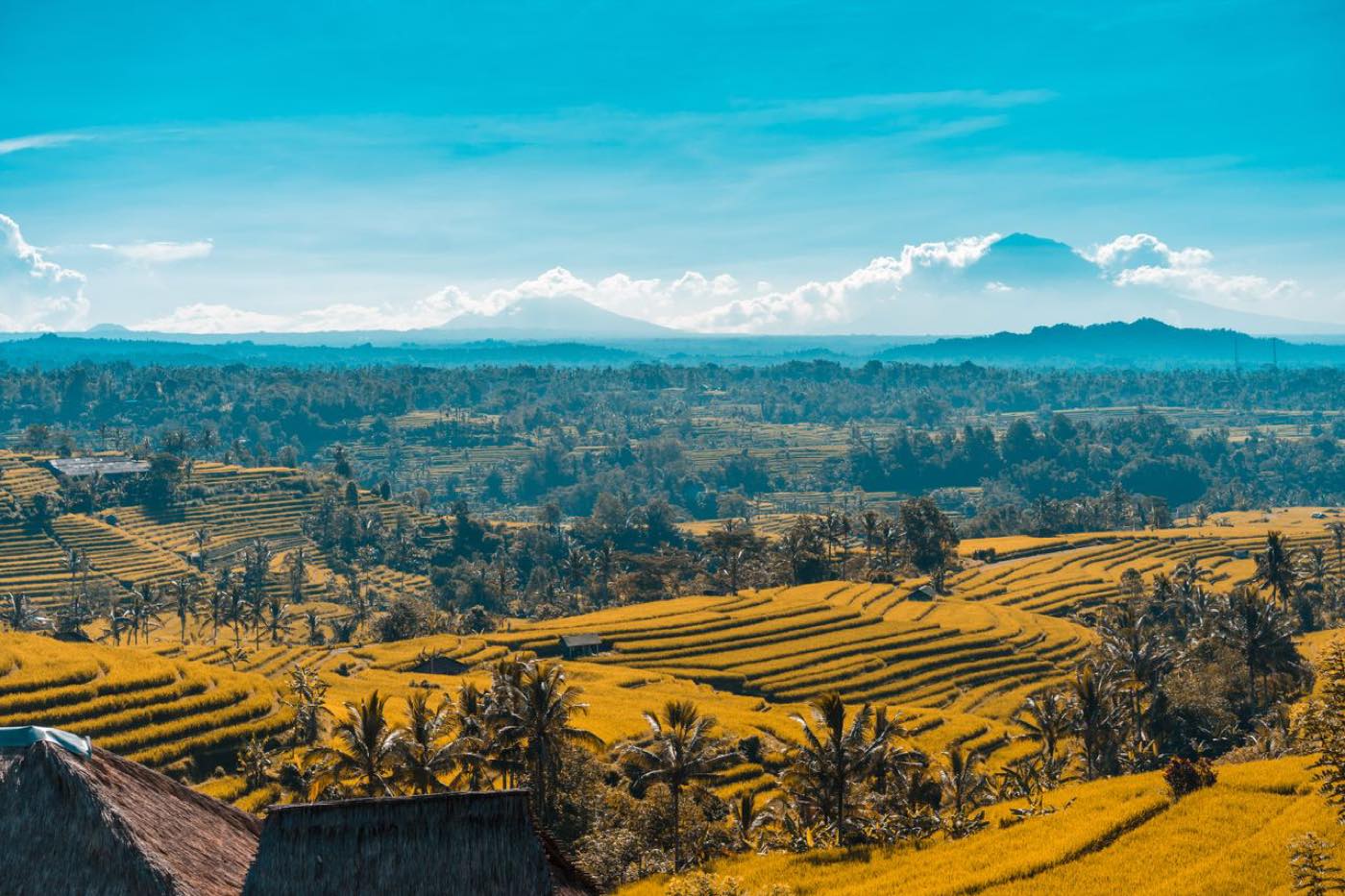
- Jatiluwih rice terraces, late morning. These sweeping terraces lie about 20-30 minutes away and are UNESCO-recognised. The entry fee is around IDR 50,000 for foreign visitors; confirm at the gate.
- Lunch at a terrace warung. Several open-air restaurants overlook the paddy fields and serve Balinese rice dishes.
- Return via Bedugul or Tabanan. If time allows, add Ulun Danu Beratan temple on the lake.
For a more relaxed route, a private tour that covers Jatiluwih and Batukaru together keeps navigation simple. Browse Bali day tours or see the Bali day trips from Ubud page for alternatives. Our Tegalalang guide also compares Tegalalang and Jatiluwih if you are deciding which terraces to prioritise.
What to wear and bring
Dress is the standard Balinese temple code: a sarong and sash covering the legs, shoulders covered. Bring a light rain jacket, because the forest is damp even in the dry season, and mosquito repellent for the shaded paths. Menstruating visitors are asked not to enter the temple grounds, which is common practice at Bali’s mountain temples. Keep voices low and do not climb on shrines. Our etiquette guide covers the general rules.
Best time to go
The dry season from May to September gives the clearest mornings. In the rainy season, expect mist and showers, which suits the setting but makes the road slick. Check the Bali festival calendar first, because major ceremonies draw large local crowds and can limit tourist access.