The Kraton and Taman Sari are the two royal sites that Yogyakarta’s Sultanate left in the middle of the city, and they sit close enough together that most visitors do both in one morning. The Kraton is the living palace of the Sultan of Yogyakarta. Taman Sari is the former pleasure garden and bathing complex built for the court in the 1750s. Together they take about four hours, which is why tour operators sell them as one half-day. For the wider city, see our things to do in Yogyakarta roundup; this page is the detailed visit plan for these two sites.
Fees and Tickets (2026)
Sources disagree on current prices, and neither site publishes a tariff we can verify directly, so treat the figures below as ranges as of 2026.
| Site | Foreign visitor | Notes |
|---|---|---|
| Kraton Yogyakarta | About IDR 25,000 (domestic IDR 15,000) | Camera permit may be charged separately; guide extra |
| Taman Sari | About IDR 35,000 (reports range IDR 25,000-50,000) | Optional guide at the gate; tip expected |
Prices are low enough that the difference barely matters, but you should carry cash in small notes. A combined half-day tour with a guide and hotel pickup costs more, but it removes the ticket queue and gives you a licensed guide’s explanation of the Javanese court symbolism. You can compare Kraton and Taman Sari tours from Yogyakarta and check current availability before you travel. Cheap reseller listings for just the entry ticket exist on booking platforms, but a pre-bought ticket saves little when the gate price is this low.
Opening Hours
- Kraton: roughly 09:00 to 14:00. Last entry comes earlier than closing, and Fridays are shorter. The palace also closes for ceremonies and some Javanese holidays.
- Taman Sari: roughly 09:00 to 15:00, with ticket sales stopping around 14:30.
Because the Kraton closes first, go there at opening and walk to Taman Sari afterwards. Check kratonjogja.id for the palace’s current schedule, including the free gamelan and dance rehearsals that run on certain mornings.
The Kraton: What You See
The Kraton (also written Keraton) is a walled compound that the first Sultan, Hamengkubuwono I, built from 1755. The Sultan, Hamengkubuwono X, still lives here, and the public sections are partly a museum. Highlights include the Kedhaton courtyard, the royal pavilions, a collection of ceremonial regalia, gamelan instruments, and a gallery of royal portraits and gifts. The nearby Museum Kereta (carriage museum) holds ceremonial coaches and may need a separate ticket.
Many visitors are surprised at how modest it feels compared to a European palace. Interiors are open-sided pendopo pavilions, and the interest lies in the details: batik patterns reserved for royalty, the guards in traditional dress, and the courtiers who still serve here. Allow 60 to 90 minutes. A guide, usually a palace staff member, adds context and is worth the extra IDR 50,000 to 100,000 if you want the stories behind the objects.
Taman Sari: What You See
Taman Sari means “fragrant garden”, but the Dutch-era name “Water Castle” stuck. It was built from the 1750s as a retreat for the Sultan and his household, with pools, pavilions, a lake and tunnels. Much of it was damaged by earthquakes and neglect, and part of the site is now a residential kampung, so you walk through the lanes of a living neighbourhood.
- Umbul Binangun (the bathing pools): the central area with three pools and stone walkways. The most photographed part, and you cannot swim in it.
- Sumur Gumuling: a round, two-storey underground mosque, reached by a tunnel. Four staircases rise to a central platform, and light falls through an opening overhead. Come in the late morning for the best light.
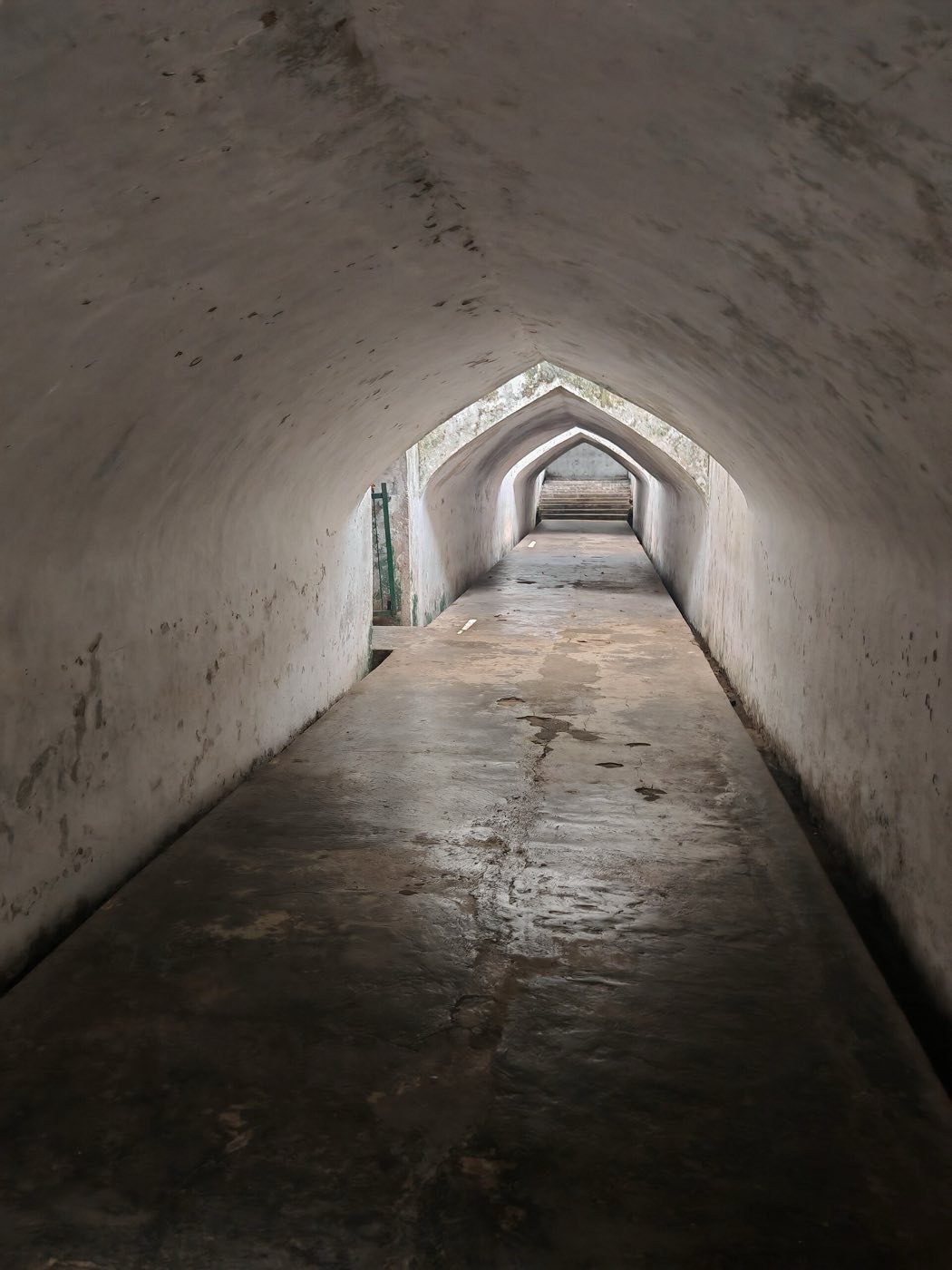
- Underground tunnels: narrow passages linking the pools to the mosque. Some are rough underfoot, and a small torch helps.
- Pasarean Ledok Sari and Pulo Kenanga: ruined pavilions and the island where the Sultan once stayed, more subdued than the pools.
Allow 60 to 90 minutes. The complex is easy to navigate but the lanes are signposted unevenly, and guides at the gate (about IDR 50,000 to 100,000 for a group) can save you from missing Sumur Gumuling.
Walking Route
- Start at the Kraton’s Pagelaran (northern entrance) at 09:00 and visit the main courtyards and the museum rooms.
- Exit toward the southern side, then walk west and south for about 10 to 15 minutes through the Kraton neighbourhood to Taman Sari, or take a becak for the short hop.
- Enter Taman Sari from the main gate near Jl. Taman. See the pools first, then the tunnel to Sumur Gumuling.
- Leave through the kampung lanes. Batik painters work in small studios along the way, and entry is free.
- For lunch, the gudeg stalls on Jl. Wijilan, near the Kraton’s northeast corner, are a short ride away; see our Yogyakarta food guide.
The route covers roughly 2 km of walking, mostly flat but hot by noon. Bring water, and wear shoes you can walk in over uneven stone.
Dress Code and Etiquette
The Kraton is a working royal court, and dress standards are enforced loosely but consistently. Wear clothes covering shoulders and knees, avoid hats inside the pavilions, and keep your voice low. Staff sometimes lend a sarong at the gate. Photography is allowed in most areas, but ask before photographing guards or courtiers, and do not point your feet at the Sultan’s seat. Taman Sari is more relaxed, though the mosque is a place of worship, so cover up there as well.
Becak Scams and Other Hazards
Becak (cycle rickshaw) drivers around the Kraton and Malioboro are the main risk for visitors. The common pitch is that the Kraton is closed today, followed by a tour of batik or silver shops where the driver earns commission. Others quote a cheap tour fare, then add waiting time. Rules that work:
- Check opening at the ticket gate, not with someone on the street.
- Agree on the fare in writing or on your phone before boarding; IDR 20,000 to 40,000 is typical for the Kraton to Taman Sari hop. Grab and Gojek are cheaper and fixed.
- Politely decline any “special art school” or “official batik cooperative” stop.
- Batik shops in the Taman Sari kampung are generally fine, but compare prices and remember that a hand-drawn batik costs several times more than printed cloth. See our Java batik guide.
Getting There and Combining With Other Stops
Both sites are in the old city, about 3 km south of Malioboro. Grab or Gojek from your hotel costs roughly IDR 15,000 to 30,000 as of 2026, and Trans Jogja buses stop near the Kraton. If you are choosing a base, see where to stay in Yogyakarta and hotel options on Booking.com.
The half-day fits neatly into a longer stay. Our Yogyakarta 3-day itinerary places the Kraton on day one, and the one-week Java cultural itinerary pairs both sites with batik on day four. For the big temples, read the Borobudur guide and the Prambanan temple guide. For wider planning, the Yogyakarta city hub links everything else, and you can browse more Yogyakarta tours with hotel pickup.
The Indonesian tourism board’s official Yogyakarta page lists the cultural calendar, which is worth checking if your visit overlaps Sekaten or Grebeg ceremonies, when the Kraton is busy and some areas close.