Bali isn’t one place - it’s a collection of distinct neighbourhoods with genuinely different characters. Ubud, Seminyak and Canggu represent the three most popular bases for first-time and returning visitors, and they suit different travel styles. Here’s how to choose.
Quick Verdict
| Factor | Ubud | Seminyak | Canggu |
|---|---|---|---|
| Beach access | None (inland) | Good (Seminyak Beach) | Good (Echo, Berawa) |
| Culture & temples | Excellent | Limited | Very limited |
| Nightlife | Mellow | Lively | Very lively |
| Digital nomad scene | Strong (yoga/wellness) | Moderate | Very strong |
| Food scene | Excellent | Excellent | Excellent |
| Average hotel (mid-range) | IDR 300,000–600,000 | IDR 450,000–900,000 | IDR 400,000–800,000 |
| Surf | None | Poor | Good |
| Crowds | Busy (day-trippers) | Very busy | Busy |
| Best for | Culture, wellness, rice fields | Couples, beach clubs, dining | Surfers, nomads, nightlife |
Vibe and Atmosphere
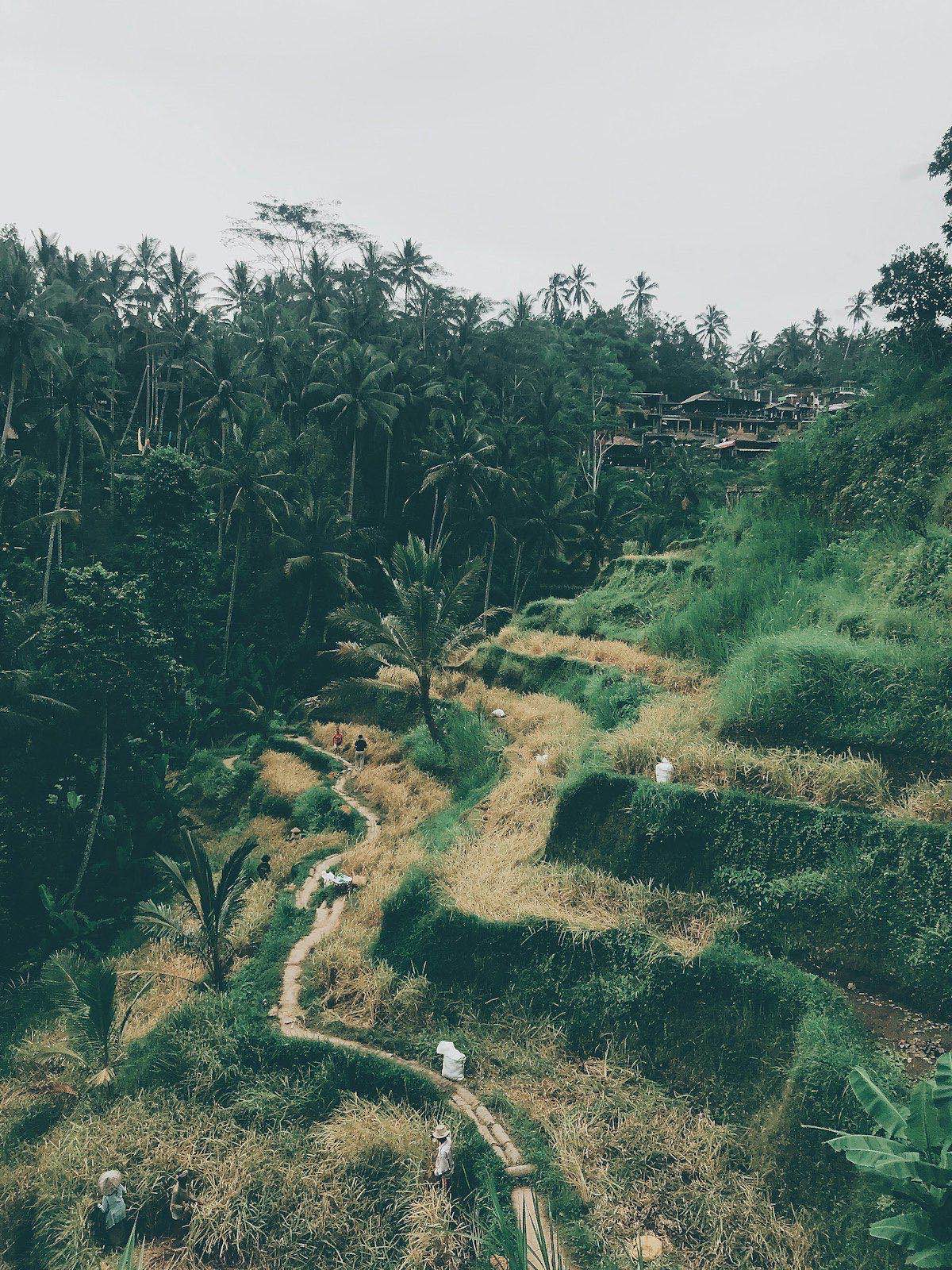
Ubud sits in Bali’s interior, surrounded by rice fields, jungle and volcanic hills. The streets are lined with art galleries, yoga shalas, organic cafés and healing centres. It’s Bali at its most culturally rich - temple ceremonies happen almost daily, traditional dance performances run every evening and the surrounding villages produce some of Indonesia’s finest woodcarving, painting and silverwork.
Seminyak is Bali’s most polished beach resort strip. The main drag (Jalan Laksmana, known locally as Eat Street) is packed with high-quality restaurants, boutique fashion shops and upmarket beach clubs. The beach itself - wide, orange-sand and lined with sun loungers - is the best of Bali’s main tourist zone. It feels cosmopolitan without being chaotic.
Canggu (pronounced “chang-oo”) started as a surf village and has transformed into Bali’s coolest neighbourhood. An eclectic mix of rice paddies, beachfront surf shacks, rooftop bars and coworking spaces coexist in cheerful disorder. Instagram-famous brunch spots and tattoo studios populate every corner. The crowd skews younger and more international than Seminyak.
Beaches
Ubud has no beach - it’s 30–45 minutes from the coast. If you’re based here and want a beach day, head to Sanur (calm, good for swimming) or take the shuttle to Kuta. Factor in the travel time and cost (IDR 60,000–100,000 each way by Grab).
Seminyak Beach is wide, clean and lined with beach clubs and sunset bars. Ku De Ta (rebranded as KUTS) and Potato Head are the headline venues - sun loungers from IDR 200,000 with drink minimums. The surf is present but not beginner-friendly.
Canggu’s best beaches are Echo Beach and Berawa. Echo Beach has a raw, surfy atmosphere with cheap warungs overlooking the break. Berawa is more refined, home to Finns Beach Club - multiple pools, a massive stage and international DJs on weekends. Batu Bolong is the local surf spot and one of the most photogenic sunsets on Bali’s west coast.
Temples and Culture
Ubud is the undisputed cultural centre of Bali. The Ubud Palace holds Kecak and Legong dance performances most evenings (IDR 100,000–150,000). Tirta Empul (holy spring temple) is 15 minutes north and offers a profoundly atmospheric bathing ritual. The Tegalalang rice terraces are a 20-minute drive. Ubud Art Market in the morning sells quality local textiles and crafts.
Seminyak and Canggu have temples but they’re woven into the urban fabric rather than being the focus. Pura Petitenget in Seminyak is worth a visit, and the annual Petitenget Festival brings large processions. Day trips to the Tanah Lot sea temple (30 minutes from Canggu) are popular.
See our Ubud city guide for a full breakdown of temples, rice fields and day trips.
Food Scene
All three areas have exceptional food - this is a genuine strength of Bali regardless of where you base yourself.
Ubud excels at plant-based, organic and health-conscious eating. Locavore (tasting menu from IDR 1,400,000 per person) is one of the best restaurants in Southeast Asia. Warung Ibu Oka serves Bali’s most famous babi guling (suckling pig) from around IDR 60,000. Dozens of vegetarian and vegan cafés serve smoothie bowls, raw desserts and superfoods.
Seminyak’s Eat Street (Jalan Laksmana) has some of Bali’s most celebrated restaurants - Mozaic (French-Indonesian, mains IDR 300,000–600,000), Merah Putih (modern Indonesian in a stunning open-air building), and La Lucciola for beachfront Italian. Street food is harder to find here; it’s a restaurant neighbourhood.
Canggu blends surf-shack warungs (nasi campur from IDR 25,000), globally-influenced brunch spots and late-night burger joints. Crate Café, Satu Satu and The Avocado Factory exemplify the all-day brunch culture. Food is generally cheaper here than in Seminyak.
Nightlife
Ubud winds down early. A handful of bars serve craft Bintang until midnight; the Laughing Buddha is the most reliable late-night option. The real evening entertainment is cultural - watching a Kecak performance by firelight at Pura Dalem Ubud is more memorable than any bar.
Seminyak has Bali’s most sophisticated nightlife. La Favela is a labyrinthine tropical garden bar in an old colonial house. Bali Joe caters to the LGBTQ+ crowd. The beach clubs transition into full nightclubs after 10 pm. Bars stay open until 2–3 am.
Canggu is Bali’s backpacker-meets-hipster party hub. Deus Ex Machina has live music and a motorcycle museum. Old Man’s is a perennial favourite with pool tables and cold Bintang. Sandbar and The Junction both run until 4 am. It’s louder, cheaper and less polished than Seminyak - which many people prefer.
Cost
Accommodation costs vary significantly. In Ubud, a clean mid-range room with breakfast runs IDR 300,000–600,000 per night; boutique villas IDR 800,000–1,800,000. In Seminyak, expect IDR 450,000–900,000 for mid-range and IDR 1,500,000+ for anything with a pool.
Canggu sits between the two - mid-range guesthouses IDR 350,000–700,000, and shared villas popular with nomads run IDR 6,000,000–12,000,000 per month.
Food costs are lowest in Canggu (warung meals IDR 20,000–40,000), highest in Seminyak (mains IDR 100,000–300,000 at most restaurants). Ubud sits in the middle with a large choice at both extremes.
See our Indonesia travel costs guide and getting around Bali for transport costs.
Getting Around
All three areas are navigable by Grab (app-based ride-hailing) or Gojek. Motorbike hire costs IDR 70,000–100,000 per day - the most flexible option in Canggu and Ubud where roads are winding. Seminyak’s traffic can be gridlocked mid-afternoon; walking between key spots on Jalan Laksmana is often faster.
None of the three areas has a beach within easy walking distance of each other - budget IDR 60,000–120,000 one-way for inter-area transfers by Grab.
Bali day tours are the easiest way to compare the island’s main areas before committing to a neighbourhood - most operators run flexible pick-and-drop routes. Lombok tours and experiences range from Rinjani crater hikes to Gili island-hopping - a contrast to Bali’s temple-focused itineraries.
When to Choose Each
Choose Ubud if: you prioritise Balinese culture, temples, yoga, wellness retreats or you want to avoid beach crowds. It’s the best base for day trips to Tirta Empul, Tegalalang, Sidemen and Besakih. See our Ubud city guide.
Choose Seminyak if: you’re on a couples trip, want excellent dining and beach clubs, value comfort and polish over adventure. It’s the most convenient base for airport access (20 minutes) and the Bukit Peninsula temples.
Choose Canggu if: you surf, work remotely, want nightlife, or prefer a younger international crowd. It’s the best value for money of the three, particularly for longer stays. See our Canggu city guide.
The best approach for 10+ days: start in Seminyak (2–3 nights to decompress after the flight), move to Ubud (3–4 nights for culture), then end in Canggu (3+ nights for surf and nightlife). Many travellers also add a night on Nusa Penida or Nusa Lembongan as a side trip from any of the three.
More Comparisons
- Bali vs Lombok - comparing the two main Bali-area islands
- Nusa Penida vs Nusa Lembongan - Bali’s offshore day-trip options
- Bali vs Java - should you add Java to a Bali trip?
- Bali or Indonesia - the full destination comparison
Ready to Plan Your Trip?
See our itineraries for inspiration:
- 1 Week in Bali - day-by-day first-timer’s guide with costs
- 5-Day Bali Honeymoon Itinerary - Seminyak, Ubud and Uluwatu
- 3 Days in Bali - the perfect short trip covering the essentials
- 2 Weeks in Bali & Lombok - Ubud, Nusa Penida, Amed, and the Gili Islands
🏨 Search hotels in Ubud - Search hotels in Seminyak
More Comparisons
- Bali vs Java - the next decision once you’ve sorted out your Bali base
- Bali vs Lombok - whether to add a second island to the trip
- Nusa Penida vs Nusa Lembongan - Bali’s offshore day-trip options compared
- Bali or Indonesia - the full destination planner for the whole archipelago
Plan Your Trip
✈️ Book your flights to Indonesia 🛡️ Get travel insurance 📱 Stay connected with an eSIM 🚗 Rent a car