Canggu Travel Guide: Surf, Cafés & Digital Nomad Life
Everything you need to know about Canggu - surf breaks, beach clubs, coworking spaces, restaurants, and hotels across all budgets.
Guides for Canggu
Search hotels in Canggu on Booking.com
Canggu lies on Bali’s southwest coast, roughly 15 km north of Kuta along a stretch of black-sand beach that has become the island’s most concentrated zone for surf culture, café life, and remote work. What was a farming village two decades ago is now a loose collection of distinct sub-areas - Batu Bolong, Echo Beach, Berawa, and Pererenan - connected by narrow lanes that are best navigated on a scooter. Canggu draws a particular demographic: surfers chasing consistent beach breaks, digital nomads paying for fast wifi and good coffee, and travellers who want Bali’s laid-back reputation without the congestion of Kuta.
Areas and Orientation
Batu Bolong is the most compact and walkable neighbourhood, centred on the beach temple of Pura Batu Bolong and the cluster of cafés and restaurants on Jalan Batu Bolong. Echo Beach sits 2–3 km north and draws dedicated surfers - the break is more powerful and consistent than Batu Bolong. Berawa has shifted upmarket in recent years, with several high-end villa developments and Finns Beach Club anchoring the southern end. Pererenan, furthest north, retains a quieter feel and is popular with longer-stay expats seeking lower rents. Rice paddies still separate many of these areas, though the gaps are narrowing each year.
Key Attractions
For a deeper look at Canggu’s beaches, temples, and beach clubs, see our Canggu things to do guide. Dedicated surfers should also check our Canggu surf guide covering all the local breaks by level and tide. To book guided surf lessons, rice terrace walks, or cultural day trips from Canggu, browse tours on GetYourGuide.
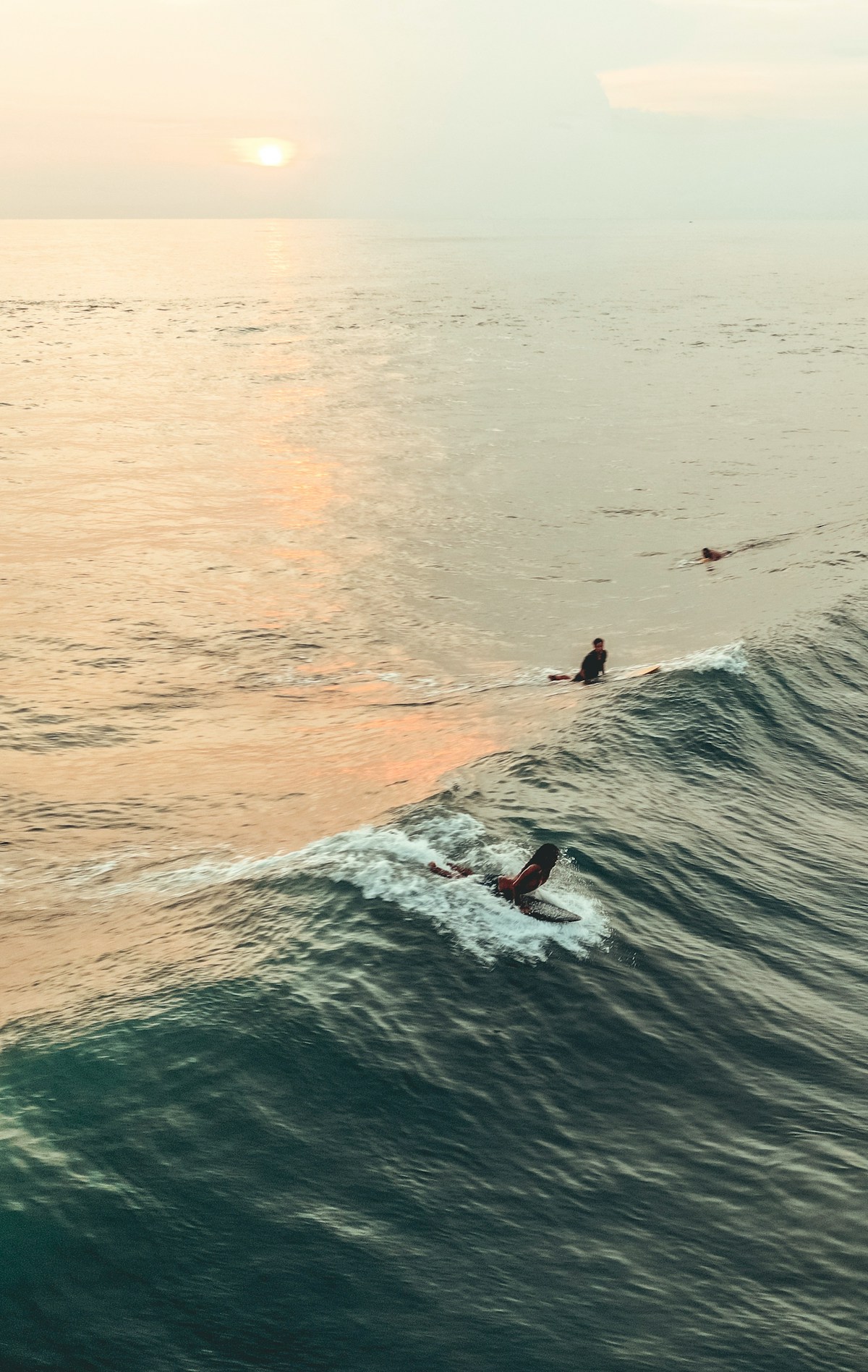
Echo Beach - The main surf beach in the Canggu area, with a left and right break that works best at mid to high tide on a southwest swell. No entry fee. Surf lessons are offered directly on the beach by multiple instructors; rates approximately IDR 200,000–350,000 per 90-minute session including board rental. The beach also functions as a social hub from late afternoon, with a row of beachfront warungs serving cold Bintang and grilled fish.
Tanah Lot Temple - One of Bali’s most iconic sea temples, built on a coastal rock formation 8 km southwest of Canggu. Entry approximately IDR 60,000. The outer temple area is accessible at low tide; the inner sanctum is reserved for Hindu worshippers. Sunset draws large crowds - arrive by 5pm to secure a decent vantage point. Sunrise visits are far quieter and the light is equally good.
Canggu Skatepark - A free community skatepark at La Joya, off Jalan Batu Bolong. Open to all skill levels; the bowl and street sections are in regular use from late afternoon through to evening. No entry fee, no hire available - bring your own board.
Beach Clubs - Three main clubs operate in the Canggu corridor. La Brisa (Echo Beach) is built from reclaimed fishing boat timber, with a minimum spend policy that typically starts around IDR 200,000 on weekdays. Finns Beach Club (Berawa) is the largest, with pools, a surf simulator, and multiple food and drink outlets; day passes from approximately IDR 250,000. Lawn Canggu (Batu Bolong) is smaller and more relaxed, with minimum spend around IDR 150,000. All three apply higher minimums at weekends.
Hotels
For a neighbourhood-by-neighbourhood breakdown of where to stay in Canggu - Batu Bolong, Berawa, Pererenan, and Padang Linjong - see our Canggu accommodation guide.
The Layar (luxury villas) - A private villa estate in Seminyak/Canggu border area, with two-to-five bedroom villas that include private pools, live-in staff, and daily breakfast. From approximately USD 500 per night as of 2026. Suited to groups or families wanting complete privacy.
Canggu Boutique Villas (mid-range) - A smaller compound of private villas on Jalan Pantai Berawa with pool access, daily breakfast, and reliable wifi. From approximately USD 80 per night as of 2026. A practical base for the northern end of the Canggu corridor.
Betelnut Café & Hostel (budget) - Dorm beds and private rooms above a popular café on Jalan Batu Bolong. From approximately USD 15 per night as of 2026. Social, central, and often busy - earplugs recommended if you need early nights.
Restaurants
For the full café and restaurant breakdown - including the best spots for working, brunch, and evening dining - see our Canggu best cafés guide.
Old Man’s - A Batu Bolong institution with a beachfront deck, full-day menu, and a sports-bar character that softens at sunset. Food runs to burgers, wraps, and Indonesian staples; approximately IDR 100,000–200,000 per person. Known for hosting sunset events and live music on Sundays.
Shelter (Canggu) - An all-day brunch café on Jalan Raya Semat with a menu strong on eggs, açaí, smoothie bowls, and decent espresso. Approximately IDR 80,000–150,000 per person. Reliable wifi and a crowd that skews towards remote workers.
Warung Dandelion - A small local-style warung serving Indonesian staples (nasi campur, gado-gado, tempeh) at genuinely local prices: approximately IDR 50,000–100,000 per person. On Jalan Pantai Batu Bolong, a few minutes’ walk from the beach. No frills, consistent food.
Pica South American Kitchen - Tacos, empanadas, and ceviches in a compact space on Jalan Pantai Berawa. Approximately IDR 150,000–250,000 per person. One of the better non-Indonesian options in the area and consistently busy at weekends.
Coworking Spaces
Canggu has more coworking infrastructure than anywhere else in Bali, driven by years of sustained digital-nomad settlement. For a full breakdown of visas, SIM cards, and cost of living, see our Canggu digital nomad guide.
Dojo Bali (Batu Bolong) - The largest and best-known coworking space in Canggu, with dedicated desks, hot desks, fast fibre internet, event programming, and a community of several hundred active members. Day passes from approximately IDR 600,000 as of 2026; monthly memberships reduce the daily rate considerably.
Outpost Canggu - A quieter alternative with a more hostel-like community atmosphere, day passes and long-term memberships available. Reliable connection and a smaller crowd than Dojo on most days.
For hotel recommendations across all budgets, see our where to stay in Canggu guide.
Getting There and Getting Around
Ngurah Rai International Airport is roughly 18 km south of Canggu - approximately 45 minutes by road in light traffic, longer during the morning and late-afternoon congestion on Jalan Sunset Road. A Grab or Gojek ride costs approximately IDR 150,000–200,000 from the airport. Licensed taxis from the airport (Blue Bird, Express) are slightly more expensive but metered and reliable.
Within Canggu, a scooter is effectively essential. The area is spread across several kilometres of narrow lanes with no reliable public transport. Scooter rental costs approximately IDR 70,000–100,000 per day from the many hire shops on Jalan Batu Bolong and surrounding streets. International driving permits are technically required for scooter use; traffic police occasionally stop tourists, particularly on the main roads. Grab operates car services in the area but wait times are unpredictable during evenings and bad weather.
Best Time to Visit
The dry season (May to September) brings consistent swell from the southwest and lower humidity. July and August see the highest visitor numbers and peak accommodation rates. April to May and September to October are generally considered the sweet spot - good surf, lower crowds, and reasonable prices. Wet season (November to March) brings heavier rain and flatter surf, though Canggu’s café and coworking scene operates year-round regardless of weather.
Practical Tips
Canggu’s streets are not well-signed and mapping apps sometimes disagree with physical reality. Download an offline map before arrival. The lanes around Batu Bolong and Berawa flood quickly in heavy tropical rain; factor this in if you’re planning to move around during wet season afternoons. Exchange rates at money changers on Jalan Batu Bolong are competitive - stick to establishments with current-rate boards displayed, and count notes before leaving the counter. Mobile data (Telkomsel or XL SIM cards, available at the airport and minimarkets) is a reliable alternative to café wifi for day-to-day navigation.
More Canggu Guides
- Things to do in Canggu - surf breaks, temples, markets, and the best activities beyond the cafés
- Best cafés in Canggu - the top coworking-friendly cafés by wifi speed, vibe, and menu
- Canggu surf guide - Echo Beach, Batu Bolong, Pererenan, and where to find lessons
- Canggu digital nomad guide - coworking spaces, co-living options, and the cost of staying long-term
- Surfing in Indonesia - Canggu’s breaks in context alongside Uluwatu, G-Land, and the Mentawai Islands
Book an experience
Top experiences in Canggu
Explore the best tours and activities in Canggu , with instant confirmation and free cancellation on most bookings.