Nusa Lembongan is the middle island of the three Nusa Islands southeast of Bali - smaller and quieter than Nusa Penida, larger and more equipped than Nusa Ceningan. The 8km2 island takes less than a day to circumnavigate on a motorbike, but most visitors slow down enough that they end up staying longer than planned.
The attraction is a combination of things: good surf breaks, snorkelling and diving in clear water, mangrove forests on the north coast, dramatic cliff formations at Devil’s Tears, and a beach - Dream Beach - that is small and striking enough to justify the journey. The island connects to Nusa Ceningan via the Yellow Bridge, a short suspension bridge that leads to a quieter and less-visited neighbour.
Getting There
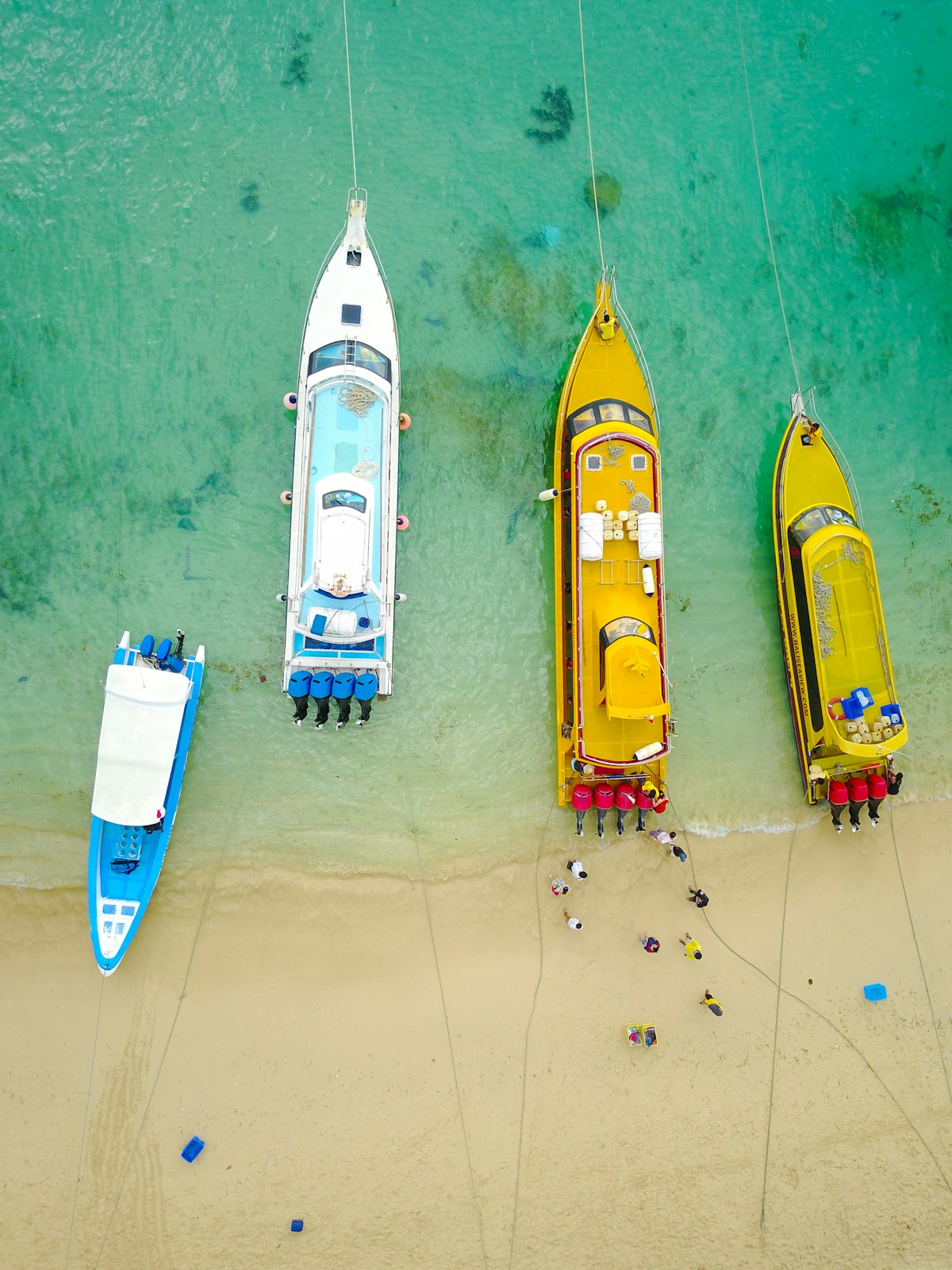
Fast boat from Sanur, Bali: The main option. Multiple operators run from Sanur beach jetty approximately every hour from 7am–5pm. Journey time approximately 30–35 minutes. One-way fares approximately IDR 150,000–200,000 per person as of 2026.
Scoot Fast Cruises: The most widely used operator on this route, with a larger and more stable boat than the smaller operators. Booking in advance is possible through Scoot directly or via Bookaway. Scoot also operates packages that include hotel pick-up in Bali and luggage transfer to your accommodation on the island.
Arrival: Fast boats arrive at Jungut Batu village on the northwest coast. If your accommodation is at Mushroom Bay (southeast coast), arrange a transfer with your guesthouse or take a motorbike taxi from the jetty - approximately IDR 30,000–50,000 as of 2026.
Getting Around the Island
Motorbike rental: The practical option for exploring independently. Available at Jungut Batu for approximately IDR 60,000–80,000 per day as of 2026. The road circuit around the island is short enough to complete in 2–3 hours including stops. The roads are paved and generally well-maintained.
Bicycle: Rentals available from some guesthouses at approximately IDR 30,000–50,000 per day. The island is flat enough that cycling is feasible; the main road is quiet outside the village areas.
Motorbike taxi (ojek): Available at the jetty and from guesthouses. Useful for one-way transfers if you want to arrive at one beach and return from another.
Key Sites
Devil’s Tears (Air Terjun Setan)
The most photographed viewpoint on the island - a rocky promontory on the southwest coast where ocean swells compress into a narrow channel and explode upward in a column of white water. The timing is unpredictable and the displays are most dramatic when a good swell is running. This is a viewpoint, not a beach.
There is no entry fee. Access is via a short path from the road. The rocks around Devil’s Tears are wet and uneven - wear shoes with grip and do not approach the water edge when swells are running. The rocks here are genuinely dangerous; maintain distance from the edge when the ocean is active.
Dream Beach
A small (approximately 100m), well-formed cove of white sand on the southwest coast, backed by low cliffs. The water is clear and swimmable in calm conditions, though swells from the open Indian Ocean can make it rough when the sea is up. The beach is accessible on foot from a small car park above.
Simple warungs operate at the top of the beach. A few day beds for rent at approximately IDR 50,000–100,000 per day as of 2026 (price often credited to drinks).
Timing: Arrive before 10am for manageable crowds. Dream Beach is a standard stop on day-trip circuits from Bali and fills from mid-morning.
Mushroom Bay
A sheltered bay on the southwest coast, named for the mushroom corals in the water. Calmer than the open west coast, with consistent snorkelling from the beach. Several mid-range resorts and a beach club face the bay. Less rugged than the rest of the island but good for families and those who want calm swimming.
Jungut Batu Village
The main settlement and the commercial heart of the island. Surf shops, dive operators, guesthouses, restaurants, and a market along the main road. The beach in front of the village is the main surf break - a consistent wave popular with intermediate surfers.
Mangrove Forest (North Coast)
A mangrove ecosystem occupies part of the north coast, accessible by boat tours or kayak. Tours run from Jungut Batu for approximately IDR 100,000–150,000 per person as of 2026. The mangroves provide habitat for a range of birds and are relatively intact compared to similar ecosystems elsewhere in Bali and Lombok.
The Yellow Bridge to Nusa Ceningan
The Yellow Bridge (Jembatan Kuning) connects Nusa Lembongan’s east coast to Nusa Ceningan across a narrow tidal channel. The crossing is free and takes 2 minutes on foot or motorbike.
Nusa Ceningan is smaller - roughly half the area of Lembongan - and significantly quieter. The main attraction on the Ceningan side is the Blue Lagoon: a narrow cove accessed via a steep path where the water colour is an intense turquoise thanks to the white coral sand below. Snorkelling in the lagoon is exceptional when the tidal current is slack.
There is also a cliff jump point at the Blue Lagoon where local teenagers and adventurous visitors jump into the water. The jump is approximately 5–8 metres and the depth at the landing zone varies with the tide. This is not a structured activity - there are no operators, no safety measures, and no lifeguard. It is used regularly but falls here do occasionally result in injury. Anyone considering it should assess the conditions carefully and confirm the water depth before jumping.
The circuit from Lembongan to Ceningan, including the Blue Lagoon, takes approximately 1.5–2 hours by motorbike.
Diving and Snorkelling
The channel between Nusa Lembongan, Nusa Penida, and the Bali coast is one of the stronger currents in the region - which makes for rich marine life. Reef dives around Lembongan typically see healthy coral, turtles, and schooling reef fish. The Penida Channel area sees pelagic species including manta rays and, in season (July–October), the occasional Mola Mola (ocean sunfish).
Key dive operators in Jungut Batu:
- World Diving Lembongan - one of the longest-established operators on the island. Two-dive packages from approximately IDR 600,000 per person as of 2026.
- Several PADI and SSI schools also operate beginner courses from the village.
Snorkelling: Good sites accessible from the beach at Mushroom Bay and from boat tours. Snorkel equipment rental approximately IDR 30,000–50,000 per day from most guesthouses.
Where to Stay in Nusa Lembongan
Accommodation concentrates in two areas: Jungut Batu village on the northwest coast, which has the widest range and is closest to the surf break, and Mushroom Bay on the southwest, which is calmer and better suited to families and those prioritising swimming over surf. Arriving fast boats dock at Jungut Batu.
Budget (from approximately USD 15–35/night as of 2026)
Simple guesthouses and homestays in Jungut Batu are family-run operations scattered throughout the village, most including breakfast. Standard is variable but competition keeps both prices and quality in check. Rooms with fan or air conditioning, usually with attached bathroom. From approximately USD 15/night as of 2026.
Tarci Bungalows offers a consistently well-reviewed budget option close to the village with clean rooms and a small garden area. The location gives easy access to the surf break and the dive operators at Jungut Batu. From approximately USD 25/night as of 2026.
Budget guesthouses near the Yellow Bridge give access to both the main island and Nusa Ceningan without needing to cross the channel repeatedly. Basic rooms from approximately USD 20–30/night as of 2026; useful for travellers making the Blue Lagoon a priority.
Mid-Range (from approximately USD 60–150/night as of 2026)
Sandy Bay Beach Club and Villas combines a beach club with accommodation in Jungut Batu, with a pool and beachfront positioning on the main break. A good mid-range option for travellers who want consistent facilities alongside the village atmosphere. From approximately USD 60–90/night as of 2026.
Hai Tide Beach Resort sits directly on Mushroom Bay with clean rooms, a beachfront pool, and calm-water swimming from the beach. One of the better-regarded mid-range options on the island. From approximately USD 80–150/night as of 2026.
Pandawa Resort on the Mushroom Bay side provides mid-range rooms with a pool and garden setting, better suited to families or couples who prefer the sheltered bay over the surf side of the island. From approximately USD 80/night as of 2026.
Luxury (from approximately USD 180–200/night as of 2026)
Indiana Kenanga by Indobamboo sits on the Mushroom Bay hillside with bamboo-architecture eco-villas that are distinctive in design by any Indonesian island standard. Good views across the bay, private pools in higher-tier rooms, and a considered aesthetic that separates it from standard resort properties. From approximately USD 100–200/night as of 2026.
Tamarind Beach Hotel provides the island’s most polished luxury accommodation, with well-appointed rooms, a pool, and direct beach access in a quieter part of the island away from the main village traffic. From approximately USD 200/night as of 2026.
Search hotels in Nusa Lembongan on Booking.com
Eating
Most warungs and restaurants in Jungut Batu serve a standard mix of Indonesian staples and Western food at reasonable prices - a full meal with drink from approximately IDR 50,000–100,000 per person. For something more interesting:
Sandy Bay Beach Club: Good food, beach setting, more expensive than the warungs but with consistent quality.
Night market area near Jungut Batu village: From approximately 6pm, several food stalls set up serving grilled fish, nasi goreng, and mie goreng at local prices.
When to Visit
May–October: Dry season. Best visibility for diving and snorkelling, most reliable beach weather, manageable swell for Dream Beach swimming. July–August is peak season with higher prices and some accommodation filling.
November–April: Wet season. Rain is intermittent rather than constant, but swell from the southwest can make Dream Beach and Devil’s Tears more dramatic and the crossing from Bali rougher. Dive visibility decreases with the runoff. Lower prices and fewer crowds make this a reasonable option for experienced travellers.
More Nusa Islands Guides
- Nusa Penida island guide - the bigger, more dramatic sister island: Kelingking Beach, Angel’s Billabong, and manta rays
- Nusa Penida day trip from Bali - planning a combined visit to Nusa Lembongan and Penida from Sanur
- Bali diving guide - the Penida Channel and its manta rays in context with Bali’s other dive sites
- Fast boats from Bali - services from Sanur to Nusa Lembongan: operators, costs, and how to book
- Nusa Penida vs Nusa Lembongan - how to choose between the two islands on a short trip