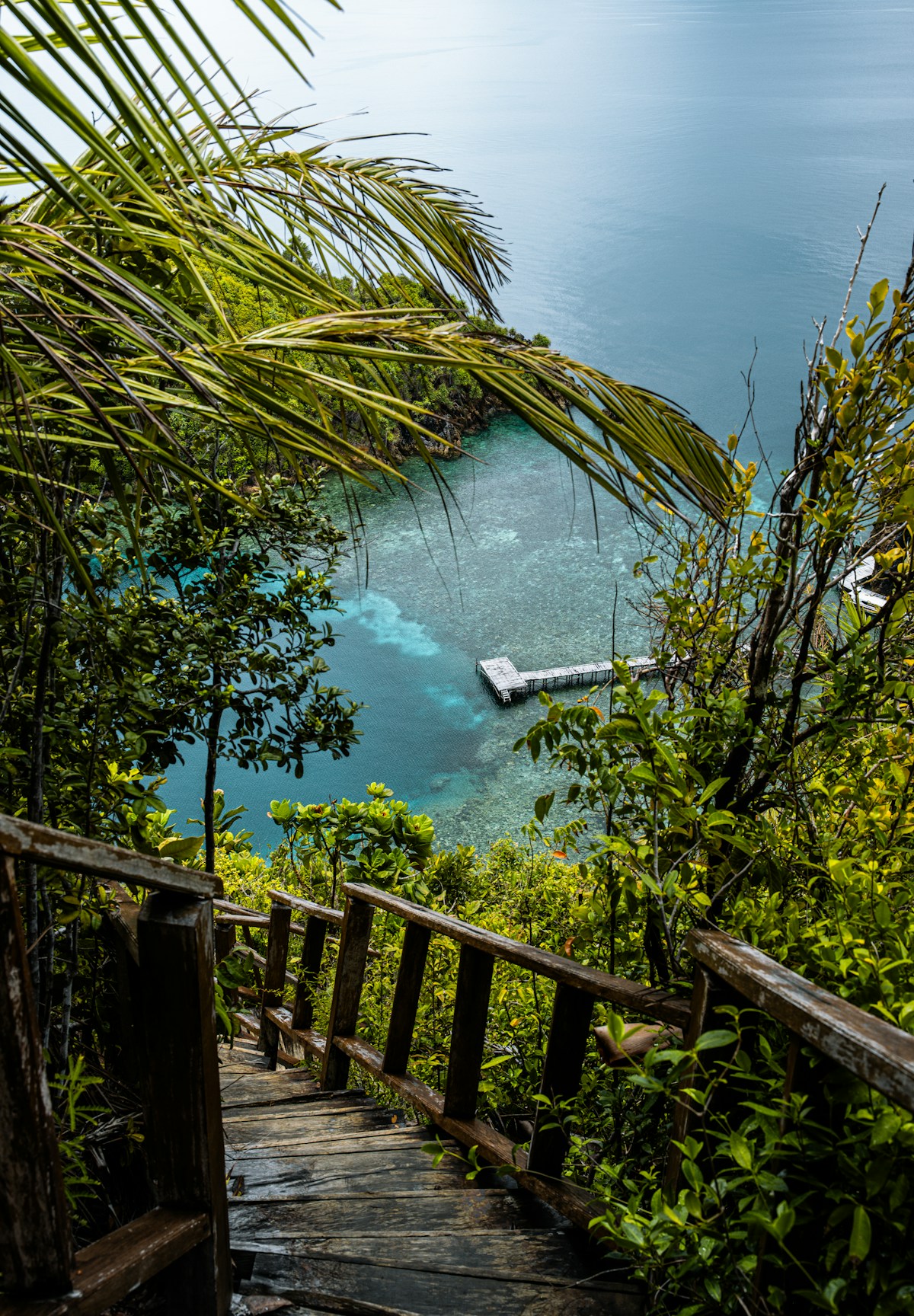
Raja Ampat - Four Kings in Indonesian - is an archipelago of over 1,500 islands in the far east of Indonesia, part of West Papua province. It is not a simple destination to reach. It takes two flights, a ferry, and a boat transfer from Bali. But the marine biodiversity here - the highest recorded anywhere on Earth - makes it the most sought-after dive destination in Southeast Asia, and increasingly, a bucket-list stop for non-divers who come for the landscape alone.
This guide covers the logistics: flights, ferries, permits, where to stay, and realistic costs across budget levels.
Getting There: Step by Step
Step 1: Fly to Sorong
Sorong (SOQ) is the gateway city to Raja Ampat. It sits on the northwestern tip of the Vogelkop Peninsula in West Papua and is the only practical entry point.
From major Indonesian hubs, flights typically require one connection:
- Jakarta (CGK) to Sorong: approximately 4–5 hours with one stop, usually via Makassar (UPG) or Manado (MDC). Carriers include Garuda, Lion Air, and Batik Air. Fares as of 2026: IDR 1,200,000–2,800,000 one-way, depending on connection.
- Bali (DPS) to Sorong: approximately 4–5 hours with one stop via Makassar or Manado. Similar pricing range.
- Direct flights from Makassar serve Sorong on most days - useful if you are combining a Sulawesi itinerary with Raja Ampat.
Book at least 3–4 weeks ahead for dry season travel (October–April). Seats out of Sorong fill quickly around Indonesian school holidays.
Step 2: Sorong to Waisai
Waisai is the capital of Raja Ampat Regency and the main arrival point in the archipelago, located on Waigeo island.
- Public express ferry (kapal cepat): IDR 125,000 per person, departs Sorong port once or twice daily, journey approximately 2–2.5 hours. Schedules are approximate - allow flexibility.
- Private speedboat charter: IDR 400,000–700,000 per person (depending on group size), 1.5–2 hours. Faster and more comfortable; can be arranged by most homestays and liveaboard operators.
Most visitors spend a night in Sorong on arrival (flights often land in the afternoon, missing the last ferry) and depart the following morning.
Step 3: Waisai to Your Accommodation
From Waisai, your homestay or resort will typically arrange transfer by speedboat or long-tail boat to their property. Travel times vary:
- Arborek (Friwen/Mansuar area): approximately 45–60 minutes from Waisai
- Kri Island: approximately 45 minutes
- Misool (far south): 4–6 hours by speedboat from Waisai - some operators offer light aircraft access
The Conservation Permit
A Raja Ampat conservation permit (Surat Keterangan Raja Ampat) is mandatory for all foreign visitors. As of 2026:
- Cost: IDR 1,000,000 (approximately USD 60–65) per person
- Validity: one year from date of purchase
- Where to get it: at the permit office in Waisai, or through your operator/homestay (most handle this as part of the check-in process)
The permit funds marine conservation work across the archipelago. Carry the permit card whenever you are on the water - checkpoints operate periodically, particularly around popular snorkel sites.
Where to Stay: Homestays vs. Liveaboards
Homestays
Homestays are small family-run accommodation operations - typically 4–12 rooms - on islands throughout the archipelago. They are the most affordable way to experience Raja Ampat and support local communities directly.
What to expect:
- Simple rooms, often with fan only (solar power is common on outer islands)
- Meals included (typically fish, rice, vegetables cooked by the family)
- Snorkelling guide services and boat trips available on request
- Basic but functional bathrooms (cold water)
Price range: IDR 500,000–1,200,000 per night per person including meals as of 2026. Popular homestay islands include Arborek, Yenbuba (Mansuar), Kri, Gam, and Sawinggrai.
Booking: most homestays are bookable through WhatsApp - guestbooks and online listings on Raja Ampat-specific booking sites connect travellers with operators. Book well ahead for October–December and March–April.
Budget and Mid-Range Resorts
A middle tier of resort-style accommodation has grown significantly in Raja Ampat over the past decade. Properties such as Papua Paradise Eco Resort (Birie Island), Kri Eco Resort, and Sorido Bay Resort sit in the IDR 1,500,000–3,500,000 per night per person range including meals and guided activities. These offer more comfort than homestays (private bathrooms, reliable electricity, proper beds) while maintaining a relatively low footprint.
Liveaboards
Liveaboard dive cruises depart from Sorong and cover multiple parts of the archipelago over 7–12 nights. This is the highest-cost option - and the one that puts you in front of the best dive sites at the best times of day, without the logistics of organising daily boat transfers.
Typical pricing as of 2026: USD 3,000–6,500 per person for a 7–10 night Raja Ampat liveaboard, depending on the vessel, cabin type, and season. Operators departing from Sorong include various Aggressor, Mermaid, and NAD Liveaboard vessels. Book 6–12 months ahead for peak season slots.
Search hotels in Raja Ampat on Booking.com
Dive Costs and What to Expect
Raja Ampat’s diving is centred on the Dampier Strait (between Waigeo and Batanta) for current-driven passages, the Fam Islands for softcoral walls, and the southern Misool area for dense schooling fish. Manta rays are reliably seen at cleaning stations around Manta Sandy and Cape Kri.
Day diving from a homestay or resort: approximately USD 40–70 per dive or USD 150–250 per day (2 dives), including boat, guide, tanks, and weights. BCD and regulator rental adds approximately USD 20–30 per day.
Nitrox: available at larger operations; adds approximately USD 10–15 per fill.
Dive certifications: Raja Ampat is not the right place for a first open-water course - the sites are best appreciated by those already comfortable with buoyancy control. Bring your dive log and certification card.
Realistic Budget Breakdown
| Budget Style | Daily Estimate (per person, in park) |
|---|---|
| Backpacker (homestay + budget snorkelling) | USD 60–90 |
| Mid-range (resort + 1–2 dives/day) | USD 150–250 |
| Comfortable (boutique resort + full diving) | USD 300–450 |
| Liveaboard (all-inclusive at sea) | USD 400–700 |
These figures exclude flights to Sorong (typically USD 100–250 per leg from major Indonesian cities) and the IDR 1,000,000 conservation permit.
Practical Notes
Cash: Raja Ampat is largely a cash economy. There are ATMs in Waisai town but they are occasionally out of service or out of cash. Bring more IDR than you think you need from Sorong - exchange rates in Waisai are worse than in Sorong or Makassar.
Mobile connectivity: Signal is limited outside Waisai. Some resorts have satellite WiFi. Do not plan on being reachable from the outer islands.
Seasickness: speedboat crossings, particularly in the southeast monsoon (June–September), can be rough. Bring medication if you are susceptible - the crossing from Sorong to Waisai takes place in open water.
Electronics: bring waterproof bags or cases for everything. Spray from speedboat crossings is a constant and camera equipment suffers without protection.
Malaria prophylaxis: West Papua has active malaria transmission. Consult a travel health clinic before departure and take antimalarials as directed throughout your stay.
Book guided tours in Raja Ampat - a half-day group tour is usually the most efficient way to see key sites without renting transport. For inter-island travel, Bookaway lets you search and book ferry, bus, and train connections across the archipelago in one place.
More Raja Ampat Guides
- Raja Ampat nature and diving guide - marine biodiversity, Wayag, Misool, birds of paradise, and the best dive sites
- Raja Ampat diving - site-by-site guide to the world’s richest reef diving
- Raja Ampat accommodation guide - resort islands, village homestays, and liveaboards compared
- Komodo vs Raja Ampat - how to choose between Indonesia’s two great eastern destinations
- Indonesia liveaboard diving - Raja Ampat and other routes for multi-day dive safaris
Ready to Plan Your Trip?
See our itineraries for inspiration:
- Eastern Indonesia Itinerary - 14 days from Komodo to Raja Ampat
- 2 Weeks in Indonesia - the island-hopping route from Bali east
Plan Your Trip
✈️ Book your flights to Indonesia 🛡️ Get travel insurance 📱 Stay connected with an eSIM 🚗 Rent a car