Search hotels in Raja Ampat on Booking.com
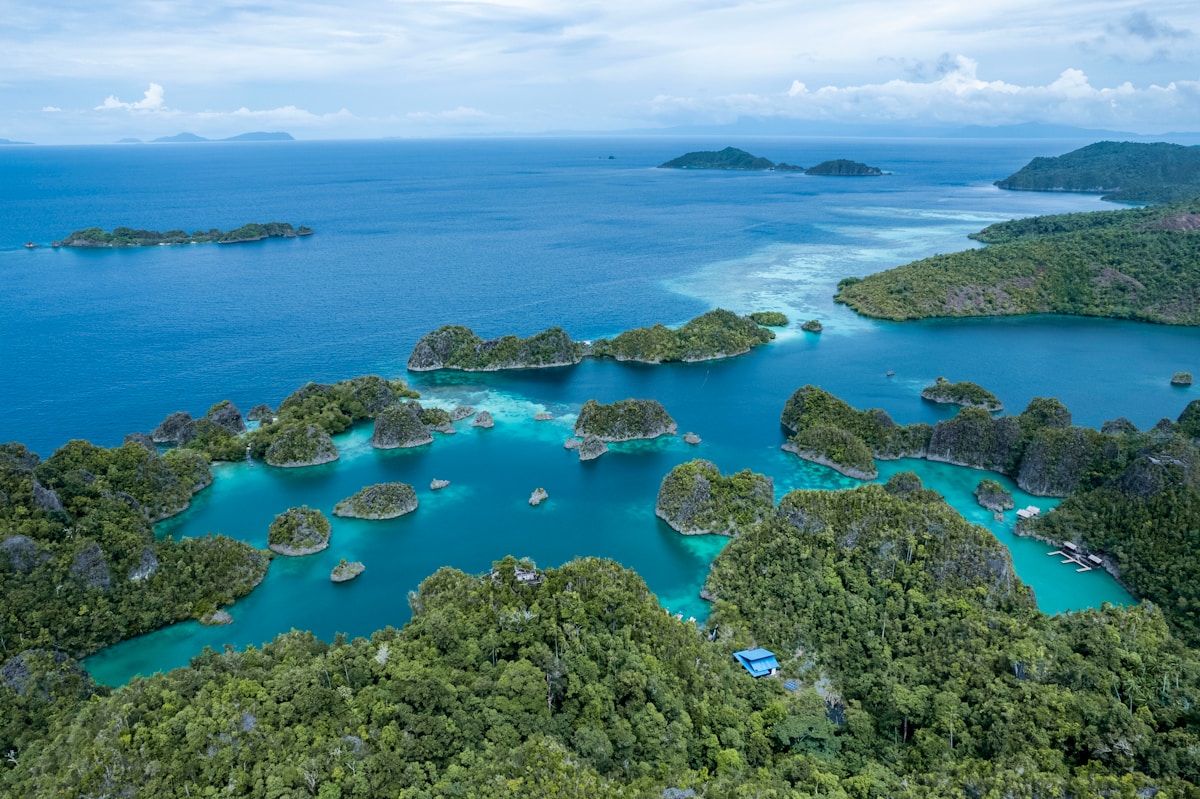
There is nowhere else like Raja Ampat. Positioned at the heart of the Coral Triangle in Indonesia’s West Papua province, this archipelago of roughly 1,500 islands holds a marine ecosystem of unmatched complexity - 75% of all known coral species, more than 1,500 fish species, and habitats ranging from shallow mangrove channels to plunging oceanic walls. For serious divers, a trip here belongs in a different category from anywhere else on earth.
Why Raja Ampat Is Different
The sheer density of life here defies expectation even for experienced divers. The Coral Triangle - the triangular region between Indonesia, Malaysia, the Philippines, Papua New Guinea, the Solomon Islands and Timor-Leste - represents the global centre of marine biodiversity, and Raja Ampat sits at its apex. Scientists regularly discover new species on research dives. Local counts of fish species at a single site can exceed what most divers see across an entire career elsewhere.
The archipelago sits where the Pacific and Indian Oceans meet, generating the nutrient-rich upwellings that sustain this life. Visibility is typically 15–30m, water temperatures average 27–29°C, and outside the main season rough seas are rare at the top sites.
Best Dive Sites
Cape Kri - The record holder. In 2009, marine biologist Dr Gerald Allen recorded 374 fish species in a single dive here, a world record. The site is a shallow rocky promontory off Kri Island, rarely deeper than 20m, with coral gardens carpeted in anthias, giant trevally, schools of barracuda and surgeonfish in numbers that genuinely block the light. A strong current runs on the incoming tide, making drift diving easy.
Manta Sandy - A cleaning station at around 12–18m where reef mantas queue in the current. Divers crouch on the sandy bottom and watch. On a good day, 10–20 mantas circle overhead. Peak season is October to April.
The Passage - A submerged channel cut through limestone karst, barely wide enough for a diver to spread their arms. The walls are encrusted with soft corals, sea fans and tunicates. Depth varies from 3m to 16m. Swim through on the current; the experience is unlike any conventional reef dive.
Blue Magic - A deep seamount in the Dampier Strait that acts as a cleaning station and feeding point for pelagics. Schooling hammerheads (seasonal), reef sharks, wobbegong sharks resting on ledges, and vast numbers of fusiliers. Best on a strong incoming current. Advanced divers only.
Misool - The southernmost of the four main islands, four to five hours by boat from Sorong. Misool’s sites - Magic Mountain, Boo Windows, Fiabacet - are less visited and frequently rated as the best in the archipelago. Soft coral density here is among the highest recorded anywhere. Liveaboard access only from most departure ports.
Dampier Strait - The fast-flowing channel between Waigeo and Batanta islands concentrates nutrients and life. Multiple sites along its length: Sardine Reef, Chicken Reef, and Melissa’s Garden (an extraordinary shallow coral garden at 3–12m, suitable for snorkellers).
Marine Life Highlights
Raja Ampat is one of very few places in the world where you can reliably encounter walking sharks - epaulette sharks that crawl along the reef floor on modified pectoral fins. Pygmy seahorses (Hippocampus bargibanti and related species) are found on sea fans at 15–25m at most major sites; your guide will point them out. The wobbegong shark is a camouflaged ambush predator frequently seen resting on ledges or coral heads.
Dugongs are occasionally spotted in shallow seagrass beds, particularly around the Misool area - a rare sighting anywhere in Indonesia. Spinner dolphins are frequently encountered on boat transfers.
Best Season
The optimum diving season for most Raja Ampat sites runs October through April, coinciding with West Papua’s dry season. Seas are calmer, visibility peaks, and Manta Sandy is most reliable for manta encounters.
May through September can bring rougher conditions in the Dampier Strait, though some operators still run trips and Misool is often sheltered on its east side. Check with your liveaboard or resort on current conditions before booking shoulder-season travel.
How to Get There
Fly to Sorong (SOQ) - the gateway city on the tip of the Bird’s Head Peninsula. Direct flights connect Sorong to Manado, Makassar and Jakarta with Garuda Indonesia, Lion Air and Wings Air. From Jakarta, expect approximately IDR 1,200,000–2,500,000 (as of 2026) one-way depending on advance purchase.
From Sorong, a public fast boat to Waisai (the Raja Ampat regency capital on Waigeo Island) takes approximately 2 hours and costs approximately IDR 120,000. Liveaboards typically pick up passengers directly from Sorong Harbour or a designated pier - confirm logistics with your operator before arrival.
There is a Raja Ampat Marine Park Entry Fee of approximately IDR 1,000,000 (as of 2026) per person, valid for one year. This fee contributes directly to conservation and patrol programmes. Pay at the park office in Waisai or through your dive operator. If you are organising a trip from Sorong, tours in Sorong and Raja Ampat include logistics support for the ferry and park entry.
Liveaboard vs Shore-Based Diving
Liveaboard is the recommended approach for first-time visitors to Raja Ampat. Boats depart Sorong and spend 7–14 nights travelling to sites across the archipelago, including Misool, which is otherwise logistically difficult to reach. Prices start from approximately USD 250–400 per person per night all-inclusive (accommodation, meals, unlimited diving). Reputable operators include Meridian Adventure Dive (PADI Gold Palm IDC centre based in Waisai) and Papua Diving. You can also browse guided tours and day trips in Raja Ampat from Waisai and Sorong, including snorkelling excursions and island-hopping packages suited to non-divers.
Shore-based resorts on Kri, Mansuar or Arborek allow access to local sites including Cape Kri, The Passage and Manta Sandy without the cost of a liveaboard. Budget resort options start from approximately USD 80–120 per night; dive packages run approximately USD 40–70 per dive including equipment. The Raja Ampat Biodiversity Eco Resort (Kri Island) is one of the most established operations, with its own research station.
Dive Certification Requirements
A PADI Open Water (or equivalent) certification is sufficient for most sites. The Passage, Melissa’s Garden and Cape Kri are accessible to Open Water divers. Blue Magic and certain Dampier Strait sites require a minimum Advanced Open Water or equivalent due to depth and current strength. Confirm requirements with your operator when booking.
Practical Notes
- Bring reef-safe sunscreen only - chemical sunscreens are banned across the marine park.
- Raja Ampat is remote: the nearest recompression chamber is in Sorong; serious DCS cases must be evacuated to Manado. Dive conservatively.
- ATMs in Waisai are unreliable; bring sufficient cash from Sorong or Manado.
- Mobile coverage is limited outside Waisai and some resort jetties. Download offline maps before departure.
- Tipping is customary for boat crews and dive guides: approximately IDR 100,000–200,000 per person per day for crew is standard on liveaboards.
See Also
- Raja Ampat island guide - the full archipelago overview: biodiversity, birds of paradise, and non-diving activities
- Raja Ampat travel guide - logistics: getting there via Sorong, where to stay, and practical planning
- Indonesia liveaboard diving - the most efficient way to cover Raja Ampat’s remote Misool sites
- Indonesia diving guide - how Raja Ampat compares with Komodo, Bunaken, and Wakatobi