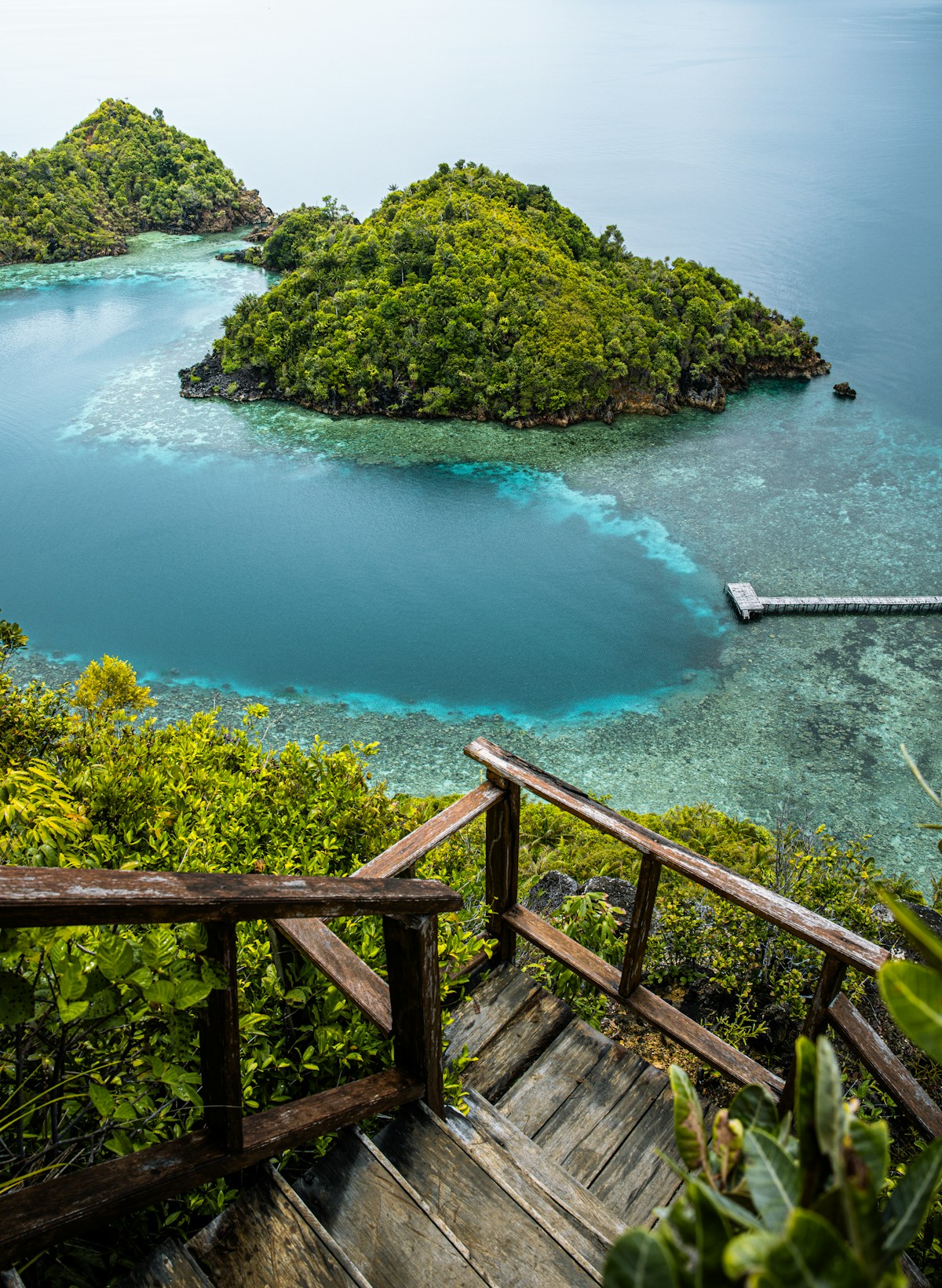
Wakatobi is a name derived from the initials of four islands - Wangi-Wangi, Kaledupa, Tomia, and Binongko - that form a chain in the Banda Sea off the southeast tip of Sulawesi. The entire group is protected as a national park covering 1.39 million hectares, making it one of the largest marine reserves in Indonesia. Within the global dive community, Wakatobi holds a reputation built on measurable facts: more than 750 coral species have been recorded here, representing approximately 90% of all coral species found in the Coral Triangle, and fish species counts at individual sites regularly exceed 500. This is not promotional language - it reflects what the surveys consistently find.
Most visitors come specifically to dive. Wakatobi offers almost nothing else in terms of conventional tourist infrastructure, and this is precisely the point.
The Four Islands
Wangi-Wangi
The largest island in the group, and the only one with a commercial airport. Wangi-Wangi is the administrative and commercial centre of Wakatobi Regency, with a market town, the main ferry terminal, and the most accommodation options outside of the luxury resort on Tomia. The reefs around Wangi-Wangi are good but generally considered less spectacular than Kaledupa and Tomia; most divers use it as a transit point.
Kaledupa
Kaledupa is the most culturally intact of the four islands, home to communities of the Bajo people - the sea nomads of Southeast Asia who have historically lived on and from the water rather than the land. The village of Mantigola, built on stilts over the lagoon, is one of the most significant remaining Bajo settlements in the region. Snorkelling around the house reefs here is accessible without a dive boat.
Tomia
Tomia is where the diving reputation of Wakatobi was built and where the Wakatobi Dive Resort operates. The reefs around Tomia - particularly the sites named Horehe, Fan38, and Turkey Beach - are the primary draw. Horehe is a shallow hard coral garden with exceptional colour and fish density. Fan38 is a wall site covered in enormous sea fans, with depths that allow extended bottom time. Turkey Beach combines a coral garden entry with a wall section and is accessible by shore entry from the resort.
Tomia also has the most concentrated dive site density of the four islands, with over 40 named sites within boat range of the main jetty.
Binongko
The southernmost island and the least visited. Binongko is known for its blacksmiths - a traditional craft industry that has supplied metalwork to the wider Sulawesi region for centuries. Diving around Binongko is largely unexplored commercially and rarely included in standard packages. Reaching it requires additional boat travel from Tomia or Wangi-Wangi.
Getting There
Access to Wakatobi is less straightforward than Bali or Lombok, and this is a deliberate characteristic of the destination.
Via Wakatobi Dive Resort (Tomia): The resort operates chartered flights from Bali (Ngurah Rai Airport) to Tomia Island on Susi Air Cessna Caravan aircraft. These run on fixed resort departure schedules, not public timetables. The airstrip is maintained by the resort. This is the most comfortable access route and is included in all-inclusive resort packages.
Via Wangi-Wangi (public access): Wings Air operates scheduled flights from Kendari (KDI) and Makassar (UPG) to Matahora Airport on Wangi-Wangi. From Kendari, the flight takes approximately 45 minutes. Return fares from Kendari start from approximately IDR 400,000–800,000 as of 2026. Kendari is connected to Makassar and Jakarta by frequent Wings Air and Garuda flights.
From Wangi-Wangi, public ferries connect to Kaledupa (approximately 2 hours), Tomia (approximately 4 hours), and Binongko (approximately 8 hours). Speedboat charters between islands cost approximately IDR 500,000–1,200,000 depending on route and negotiation.
Ferry schedules are not always reliable; allow buffer time in your itinerary.
Where to Stay in Wakatobi
Accommodation options in Wakatobi divide sharply between the budget guesthouses and dive packages available on Wangi-Wangi and the luxury all-inclusive experience at Wakatobi Dive Resort on Tomia. The mid-range is thin. Most divers make a deliberate choice between the two ends of the scale. Wangi-Wangi is where independent travellers base themselves; Tomia is where the world-class diving infrastructure lives.
Budget (from approximately USD 15–40/night as of 2026)
Budget homestays on Wangi-Wangi are the main option for independent travellers arriving by Wings Air. Simple rooms with fan or air conditioning are available from approximately IDR 200,000–350,000 (around USD 13–23) per night. These are functional guesthouses in the island’s main town, convenient to the market, the ferry terminal, and the ATMs. From approximately USD 15/night as of 2026.
Dive operator packages on Wangi-Wangi combine basic accommodation with daily dives at competitive rates, catering to overlanding divers who have made their way overland from Kendari. The accommodation standard is basic but the dive access to the national park reefs around Wangi-Wangi is genuine and affordable. From approximately USD 35–50/night including dive packages as of 2026.
Local guesthouses in Wangi-Wangi town provide a base for travellers who want to explore the cultural side of the regency - the Bajo communities on Kaledupa and the blacksmiths of Binongko - rather than focusing exclusively on diving. Simple rooms with air conditioning from approximately USD 25/night as of 2026.
Mid-Range (from approximately USD 80–150/night as of 2026)
Wakatobi Patuno Resort on Wangi-Wangi is one of the few mid-range properties with a meaningful step up in facilities from the budget guesthouses, with a pool, restaurant, and beachfront rooms. It works well for travellers who want a base on the main island with easy access to the Wangi-Wangi dive sites. From approximately USD 150/night as of 2026.
Mid-range guesthouses and dive cottages on Tomia and Kaledupa are limited in number but available through local operators. These typically offer private bungalows with attached bathrooms, meals included, and basic dive access from IDR 400,000–700,000 per night as of 2026. The quality varies; confirm current operations before booking as small island properties are not always maintained through low seasons.
Tompira Dive Resort provides a more complete mid-range dive experience with structured dive guiding and better facilities than the basic guesthouses, in a setting that keeps guests closer to the better Wakatobi dive sites than a Wangi-Wangi base allows. From approximately USD 120/night as of 2026.
Luxury (from approximately USD 300/night as of 2026)
Wakatobi Dive Resort on Tomia Island is the benchmark against which all other Sulawesi dive resorts are measured, and one of Southeast Asia’s premier dive properties. Accommodation is in private bungalows, the rate covers three meals per day, unlimited house reef diving, and two to three guided boat dives daily. The resort maintains resident marine biologists and runs an active conservation programme for the surrounding reef. Guests arrive by the resort’s own chartered Susi Air flights from Bali - the airstrip on Tomia is maintained by the resort. It is expensive by Indonesian standards but competes directly with liveaboard pricing over a multi-day stay, and the site density around Tomia makes the comparison favourable. From approximately USD 300 per person per night all-inclusive as of 2026.
Search hotels in Wakatobi on Booking.com
Diving
The Wakatobi sites are consistently cited among the top dive destinations in Asia alongside Raja Ampat and Komodo. The distinction from other top-ranked Indonesian destinations is the accessibility: many of Wakatobi’s best sites are reachable by short boat from Tomia, without the multi-day liveaboard logistics that Raja Ampat’s more remote sites require.
Horehe - A hard coral garden at 5–20 m depth, referenced by name in marine biology surveys for its coral coverage density. Strong light penetration makes photography exceptional. Suitable for all experience levels.
Fan38 - Named for the enormous sea fans at around 38 m depth. A wall that begins at 10 m and drops into blue water, with consistently calm current conditions. Advanced open water minimum recommended.
Turkey Beach - Shore entry from the Wakatobi Resort beach, shallow coral garden transitioning to a wall at around 15 m. One of the few high-quality shore dives in the Banda Sea region.
Mari Mabuk - A channel site with strong current at times; fish schooling in numbers that are difficult to see outside of Fiji or the Maldives at comparable density. Current diving experience recommended.
Independent dive operators on Wangi-Wangi charge approximately IDR 350,000–500,000 per dive, excluding equipment, as of 2026.
When to Visit
April through December is the recommended window. The Banda Sea is calmer in these months and visibility is consistently in the 20–40 m range. Water temperature holds at approximately 27–30°C year-round.
January through March is the northwest monsoon period. Seas can be rough and some inter-island ferries are suspended. The dive resort typically remains open but operates on reduced schedules during severe weather windows.
There is no specific event calendar tied to marine life in Wakatobi the way whale shark seasons apply elsewhere. The reefs are productive year-round, and the fish and coral that make Wakatobi significant do not migrate.
Practical Notes
Wakatobi National Park entrance fee is approximately IDR 150,000 per person for foreign visitors as of 2026, paid at the ranger post on arrival. This is a conservation levy that funds the park authority.
Wangi-Wangi has ATMs (BRI and BNI) and is the only practical place to withdraw cash in the regency. Carry sufficient IDR before reaching Tomia or Kaledupa.
The Bajo communities on Kaledupa are worth time beyond the diving. Photography of people requires permission and should be done with basic courtesy. Several NGOs operate community tourism programmes here that benefit local families directly.
Wakatobi has no hospital; the nearest facility is in Baubau or Kendari. The Wakatobi Dive Resort maintains oxygen and basic first aid on site. Dive operators in Wangi-Wangi should carry emergency oxygen - confirm before booking.
Book tours and day trips in Wakatobi - most include transport from your guesthouse and a local guide familiar with the island’s best spots. Bookaway covers the main ferry routes between the islands - book in advance during peak season when boats fill quickly.
More Sulawesi Diving Guides
- Wakatobi dive sites guide - detailed breakdown of Horehe, Fan38, and the best sites for each experience level
- Bunaken diving guide - the other flagship Sulawesi dive destination: wall dives off Manado
- Indonesia liveaboard diving - liveaboard routes covering Wakatobi and the wider Banda Sea
- Sulawesi diving itinerary - combining Wakatobi with the Togeans, Bunaken, and Lembeh in one trip
- Komodo diving guide - how Wakatobi compares with Komodo’s pelagic-heavy dive environment