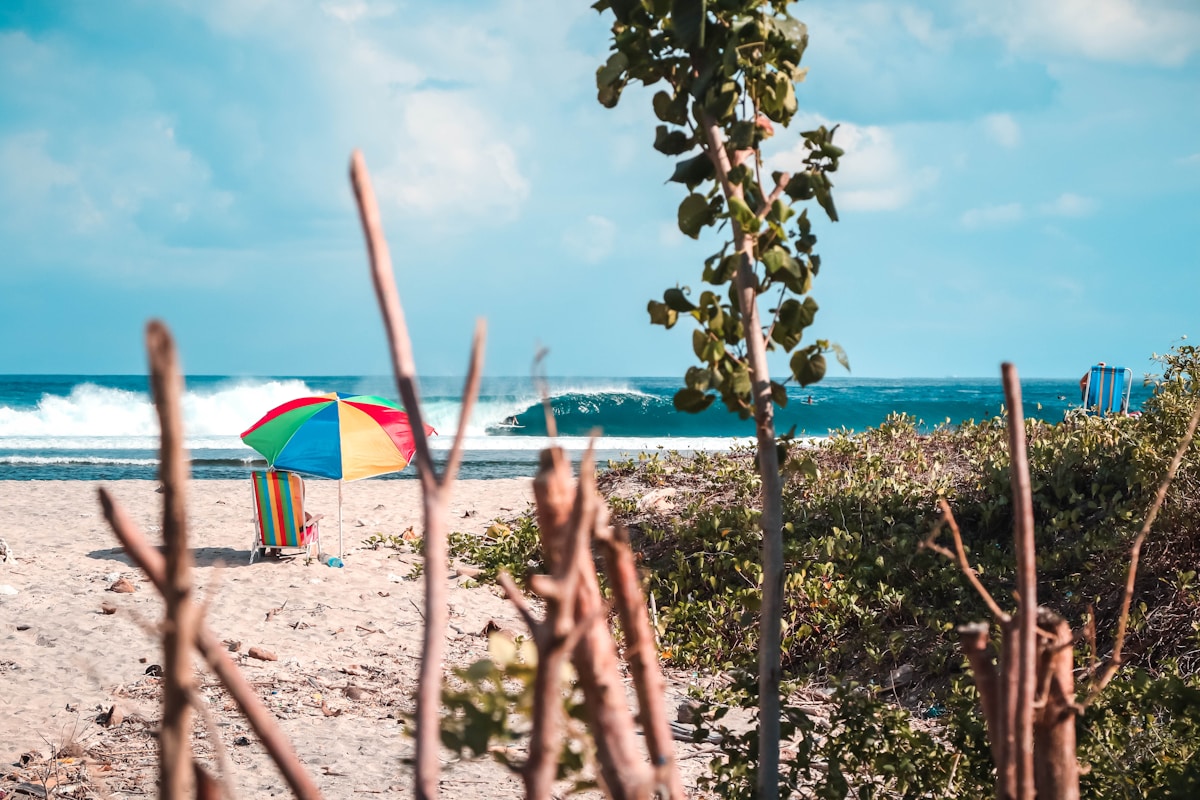
Sumba lies south of Flores and east of Sumbawa, roughly 300 kilometres south of the main tourist trail. It has no mass tourism. It has no traffic jams. What it has is one of Indonesia’s most intact traditional cultures, a surf beach that some regard as the finest in Asia, and a festival involving horseback warfare that has no equivalent anywhere in the world.
Most visitors arrive knowing very little about Sumba and leave feeling they have seen something irreplaceable.
Why Sumba Is Different
The majority of Sumba’s population follows Marapu, an animist belief system centred on ancestor worship and nature spirits. It predates both Islam and Christianity, both of which have partial footholds on the island, and it continues to shape how villages are built, how death is marked, and how the agricultural calendar is observed.
The most visible expression of Marapu is the megalithic stone tomb - massive, flat-topped stone structures weighing dozens of tonnes, built in village centres for clan leaders and prominent ancestors. These are not ancient relics. They are still constructed today for the wealthy and the powerful, requiring the slaughter of buffalo and pigs in numbers that represent years of family wealth. A single burial can bankrupt a family or take decades to save for. Visiting a traditional village and understanding what the tombs represent - still present-tense, not past - is a fundamentally different experience from a museum exhibit.
Pasola Festival
Pasola is a ritual mock war fought on horseback. Held annually in February or March (the exact date is set by the new moon and the appearance of sea worms - nyale - on the beach), Pasola takes place in the western districts of Sumba, primarily in the Wanokaka and Lamboya areas.
Hundreds of horsemen on two opposing sides charge each other across an open field, throwing wooden spears. The spears are blunt but injuries happen - historically, blood spilled was considered an offering that predicted the harvest. The ceremony is presided over by a ratu (ritual priest).
Watching Pasola is possible for visitors, and local guides can bring you to the correct field on the correct day. No central booking system exists - you need a local contact in west Sumba or a Sumba-based tour operator to track the date. The atmosphere is electric. Photograph respectfully and do not cross into the playing field.
Pasola timing coincides with the wet season - roads in west Sumba are rough in February and March, and a 4WD vehicle is effectively required for getting between villages.
Key Attractions
Nihiwatu Beach (Nihi Beach)
A 3-kilometre stretch of white sand on the southwest coast, backed by jungle and accessible only through the property of Nihi Sumba (formerly Nihiwatu Resort). The resort has appeared at the top of several international hotel rankings - rates start from approximately USD 1,000 per night with most services included. Access to the beach is controlled by the resort, though day access is occasionally possible by advance arrangement.
The surf break at Nihiwatu is the main reason the resort built there. The right-hand barrel is considered one of Asia’s finest, operating on a strict “10 surfers maximum” rule enforced by the resort to protect wave quality. Surf stays at the resort are booked months or years in advance by serious surfers.
Weekuri Lagoon
A natural saltwater lake connected to the sea via underground channels. The water is calm, clear, and a vivid aqua colour, surrounded by limestone karst. Entry is free; a small parking donation of approximately IDR 20,000–30,000 is collected at the entrance. The lagoon is best in the morning before tour groups arrive, though it sees relatively few visitors by Indonesian standards at any time.
Weekuri is approximately 45 kilometres southwest of Tambolaka airport. A rental motorbike or driver is needed to get there.
Ratenggaro Village
A traditional village on the southwest coast with the most dramatically situated stone tombs on the island - some exceeding 8 metres in height, standing against a backdrop of sea cliff. The conical thatched houses maintain the traditional Sumbanese architectural style. Entry is by donation, typically approximately IDR 20,000–30,000 per person, collected at the entrance.
Ratenggaro is close to Weekuri Lagoon - the two are easily combined in a half-day.
Wanokaka District
The primary location for Pasola and the area of west Sumba most representative of traditional culture. Several villages in this district have active ritual life year-round, not just during festival season. A local guide is essential for respectful access.
Where to Stay in Sumba
West Sumba and east Sumba offer very different accommodation landscapes. East Sumba (around Waingapu) has more standard guesthouses for independent travellers; west Sumba (around Waikabubak and the southwest coast) has the cultural sites, Pasola territory, and the island’s two internationally known luxury properties. Most visitors to Nihi Sumba fly into Tambolaka; those combining cultural travel with budget flexibility base themselves in Waingapu or Waikabubak.
Budget (from approximately USD 15–40/night as of 2026)
Homestays in traditional villages near Wanokaka are the most immersive option on the island, placing guests inside working Marapu communities in west Sumba. Rooms are basic, meals are shared with the family, and a local guide is needed to arrange access and provide cultural context. From approximately USD 15–25/night including meals as of 2026.
Guesthouses in Waingapu serve east Sumba’s ikat weaving villages and the sites on the island’s quieter eastern half. Basic rooms with air conditioning are available in town from approximately IDR 200,000–350,000 per night. These work well as a base for day trips to Prailiu village and the surrounding weaving communities. From approximately USD 25/night as of 2026.
Rumah Ramah in the Waikabubak area provides a friendlier budget guesthouse experience in the west, with clean rooms and a location that suits travellers using a hired 4WD to reach Weekuri Lagoon, Ratenggaro, and Pasola sites. From approximately USD 35/night as of 2026.
Mid-Range (from approximately USD 80–120/night as of 2026)
Sumba Nautil Resort provides mid-range accommodation in or around Waikabubak with comfortable rooms, a pool, and service standards that are a meaningful step up from the guesthouse category. It is the practical choice for travellers who want to combine cultural access in west Sumba with reasonable comfort. From approximately USD 80/night as of 2026.
Maringi Sumba Hotel offers a comparable mid-range standard with modern rooms and facilities suited to travellers combining beach time with the Pasola cultural circuit. From approximately USD 80/night as of 2026.
Guesthouses in the Tambolaka area provide a practical overnight option near the western airport for early flights or late arrivals, with rooms from approximately USD 50–90/night. These are functional rather than atmospheric but remove the need for long transfers after a tiring journey.
Luxury (from approximately USD 300/night as of 2026)
Sumba Nautil Resort premium rooms represent the upper tier of accessible luxury on the island for travellers who want consistency and service without the exclusivity pricing of the ultra-luxury tier. From approximately USD 120/night for the better rooms as of 2026.
Nihi Sumba (formerly Nihiwatu) is the standout property not just on Sumba but in all of Indonesia, and one of the most consistently cited luxury resorts in the world. The Southwest coast property controls access to the island’s best surf break on a strict 10-surfers-maximum policy, and the resort’s rates reflect both the setting and the exclusivity. All-inclusive pricing starts from approximately USD 1,000/night as of 2026. Book 6–12 months ahead for peak periods; surf stays are booked years in advance.
Search hotels in Sumba on Booking.com
Getting There
Sumba has two airports:
- Tambolaka Airport (TMC) - west Sumba; best for Pasola, Weekuri, Ratenggaro, Nihi Sumba
- Umbu Mehang Kunda Airport (WGP) - east Sumba (near Waingapu); best for east Sumba cultural sites
Both airports have connections to Bali and to Kupang (the regional hub for Nusa Tenggara Timur province). Flight schedules are limited - check current routes on Garuda, Wings Air, and TransNusa, and book ahead. Connections frequently transit Kupang or Denpasar. Allow flexibility in your schedule; delays and cancellations are common on eastern Indonesian routes.
There is no fast boat connection to Sumba from Flores or Lombok. If you want to combine Sumba with Flores, flying is the only realistic option.
Getting Around
Roads in west Sumba are unpaved in many areas and deteriorate significantly in the wet season. A 4WD vehicle with a driver is recommended:
- Driver hire (car + driver): approximately IDR 500,000–700,000 per day - hire a car with driver for west Sumba routes; higher during Pasola season
- Motorbike hire: approximately IDR 80,000–100,000 per day; suitable for dry season travel between key sites near Tambolaka but not recommended in the wet season or for remote areas
Best Time to Visit
May to October for general travel - dry roads, manageable heat. The coastline and beaches are best in this period.
February to March for Pasola - but roads are rough, flights are busy, and accommodation in west Sumba is extremely limited during festival week. Book everything in advance if this is your goal. A local guide is non-negotiable for navigating the timing.
Book tours and day trips in Sumba - most include transport from your guesthouse and a local guide familiar with the island’s best spots. Bookaway covers the main ferry routes between the islands - book in advance during peak season when boats fill quickly.
More Eastern Indonesia Guides
- Flores island guide - the nearest major island: Komodo, Kelimutu, and the Trans-Flores Highway
- Komodo Island guide - combining Sumba with Komodo on an eastern Indonesia circuit
- Eastern Indonesia adventure itinerary - planning a multi-week trip through Sumba, Flores, and beyond
- Indonesia diving guide - Sumba’s emerging surf and dive scene in context with the wider archipelago
- Getting around Indonesia - flights from Bali to Tambolaka and the options for reaching Sumba