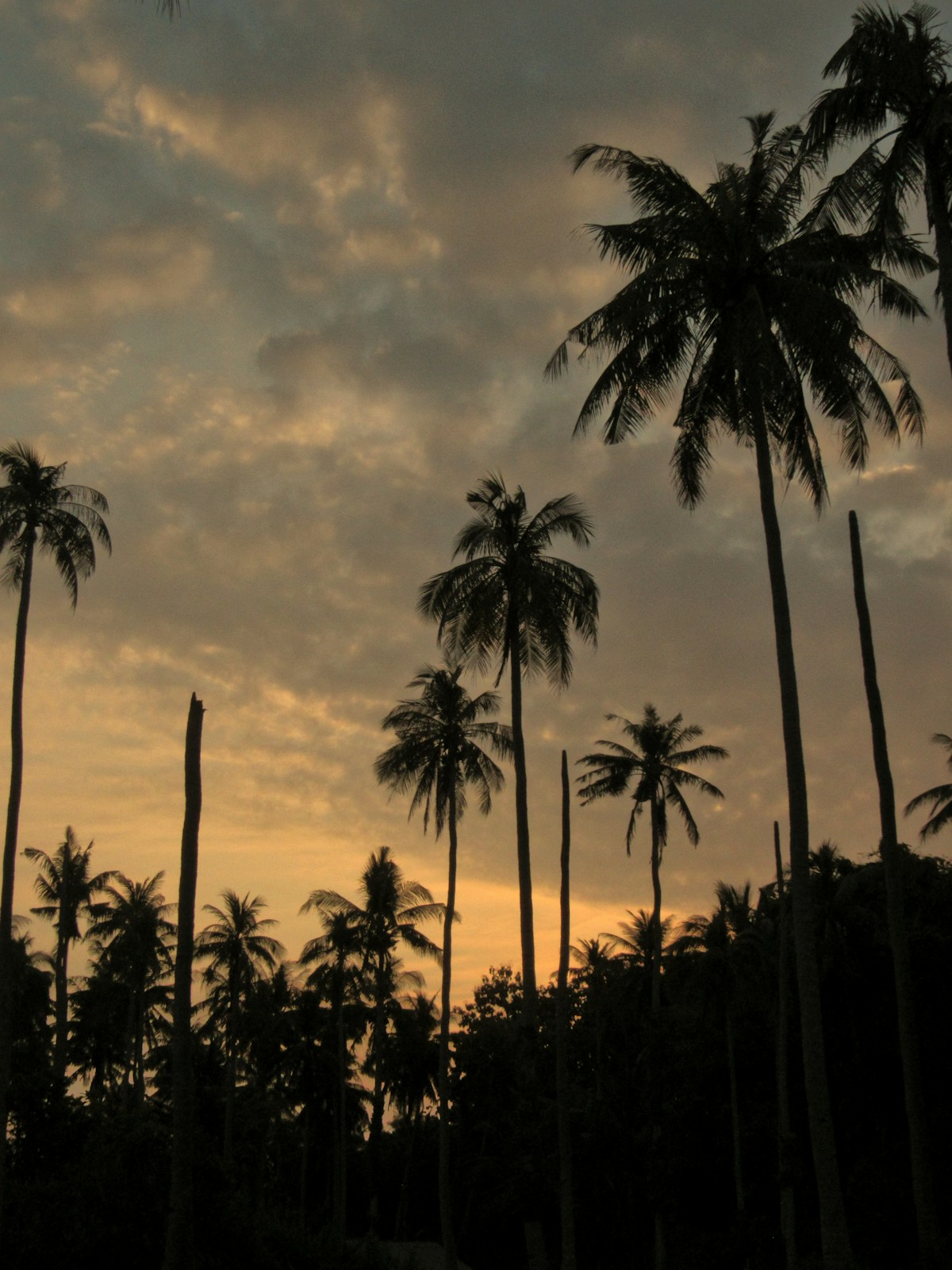
Karimunjawa is an archipelago of 27 islands in the Java Sea, 83 km northwest of Jepara on the north coast of Central Java. The islands form a national park established in 1988, protecting a marine ecosystem that covers approximately 111,625 hectares of ocean, reef, mangrove, and beach habitat. Karimunjawa is among the most accessible of Indonesia’s remote island clusters - a fast boat from Jepara puts travellers there in two hours - and yet it sees only a fraction of the visitor numbers that comparable destinations off Bali attract.
The appeal is straightforward: coral reefs with blacktip reef sharks, clear shallow water, uninhabited outer islands reachable by day trip, and a pace of life on the main island that has not yet been remade by high-volume tourism infrastructure. The national park designation provides meaningful protection; fishing is restricted in core zones and the reef condition reflects this.
The Main Island
Karimunjawa Island (the largest in the archipelago, sometimes called Pulau Karimun) is where almost all accommodation and facilities are located. The main settlement is a small town - Karimunjawa Town - with a harbour, a market, a handful of restaurants, and the national park office. Motorbikes are the primary transport; the island is small enough that the entire coast can be circled in under two hours.
The main island has several beaches: Pantai Batu Topeng on the north coast is the most scenic, with clear water and minimal development. Pantai Nirwana on the south side is more accessible from the town but less dramatic in setting.
The interior of the main island is forested and home to a small trekking trail system that leads to a viewpoint above the town. The forest is a protected zone and cannot be entered freely; the park office arranges guided walks for a nominal fee.
What to Do
Snorkelling and Shark Point
Shark Point is the most-discussed snorkelling site in Karimunjawa. Small blacktip reef sharks - juvenile and sub-adult individuals, generally 60–120 cm long - congregate in shallow water around a specific sandy shoal close to the main island. They are not aggressive toward snorkellers and the interaction is genuine wildlife observation rather than a managed encounter. This is not a feeding operation; the sharks are resident. Snorkel gear hire is available on the main island from approximately IDR 30,000–50,000 per day as of 2026. Boat access to Shark Point is included in most organised island-hopping tours.
Gosong Selikur
A sandy shoal that emerges above the tide at low water and disappears at high tide. Located among the southern islands of the archipelago, Gosong Selikur is a standard stop on island-hopping day tours. Snorkelling around the shoal edges encounters reef fish, banded sea snakes, and occasional reef sharks. The visual effect of standing on a sandbar surrounded by open ocean is part of the draw.
Island-Hopping to Outer Islands
The outer islands of the Karimunjawa group - including Pulau Menjangan Besar, Pulau Cemara Besar, and Pulau Genting - are variously uninhabited or lightly inhabited and accessible only by boat. Day tours calling at three or four outer islands are the standard experience sold by every operator on the main island and by tour packages from Semarang and Jepara. The tours typically include snorkelling at two or three coral sites, lunch on a beach, and a stop at Gosong Selikur or Shark Point. Tour costs vary by operator and whether transport from the mainland is included; a tour from Karimunjawa town costs approximately IDR 100,000–200,000 per person for a shared boat, as of 2026.
Mangrove Exploration
Karimunjawa’s mangrove forests cover the inner shorelines of several islands and are part of the protected ecosystem. Canoe and kayak hire is available near the main harbour; paddling into the mangrove channels is possible independently at high tide. The national park also organises guided mangrove tours for groups.
Getting There
Fast Boat from Jepara
The most common access route for independent travellers. The fast boat (kapal cepat) departs from Kartini Harbour in Jepara on the north Java coast, taking approximately 2–2.5 hours to reach Karimunjawa. Fares are approximately IDR 120,000–160,000 per person one way as of 2026. Departures are not daily from all operators; schedules shift by season and day of the week. In dry season (April–October) departures are more frequent. Confirm departure times at least 48 hours in advance, especially outside peak season.
Jepara access: Jepara is approximately 2.5–3 hours by road from Semarang (approximately IDR 50,000–80,000 by bus). From Jakarta, the train to Semarang (Tawang station) takes approximately 5–6 hours on the Argo Sindoro or Argo Muria express services, from approximately IDR 200,000–450,000.
Ferry from Jepara
A slower passenger and vehicle ferry also operates the Jepara–Karimunjawa route, taking approximately 6 hours. Fares are lower (approximately IDR 40,000–60,000 as of 2026) and the experience is more comfortable if sea conditions are calm. Overnight crossings are available and useful for avoiding a daytime sea journey.
Fast Boat from Semarang
Some operators now run direct fast boats from Tanjung Mas port in Semarang, with journey time approximately 3–4 hours. This eliminates the Jepara connection for travellers arriving in Semarang by train or flight. Check current operators at time of travel as this route has historically been less consistent than the Jepara connection.
Tour Packages from Semarang
Tour operators in Semarang offer all-inclusive Karimunjawa packages from approximately IDR 400,000–700,000 per person for a two-day, one-night trip as of 2026. These cover the return ferry from Semarang or Jepara, one night’s guesthouse accommodation, and a full island-hopping day tour. For first-time visitors who want to minimise logistics, this is the most efficient entry.
Small Aircraft
A small Susi Air-operated service connects Semarang’s Ahmad Yani Airport to a grass airstrip on Karimunjawa Island. Flights are infrequent and primarily serve the island’s administrative needs; check current availability at time of travel as the schedule changes.
Where to Stay in Karimunjawa
Almost all accommodation is concentrated on Karimunjawa Island, the main island of the archipelago. The exception is Kura-Kura Resort, which occupies its own private island. Karimunjawa has no five-star hotels; the range tops out at Kura-Kura. Travellers expecting Bali villa standards should adjust expectations before arriving.
Budget (from approximately USD 15–35/night as of 2026)
Homestays on Karimunjawa Island are the most common budget option and are genuinely acceptable for the category. Family-run operations with basic rooms and fan cooling start from approximately IDR 200,000 (around USD 13) per night. Most include kitchen access for simple meal preparation, and hosts generally know boat operators for island-hopping tours. From approximately USD 15/night as of 2026.
Losaria Beach Homestay is one of the more consistently recommended budget guesthouses in Karimunjawa Town, with clean rooms in a central location close to the harbour and the warung strip. Good for travellers arriving on the fast boat who want something functional and affordable. From approximately USD 20/night as of 2026.
Guesthouses along the beach road offer basic air-conditioned rooms at a step above the cheapest homestays, typically from IDR 250,000–350,000 per night as of 2026. The beach road position gives reasonable sea views and easier access to snorkel hire and boat tours.
Mid-Range (from approximately USD 50–100/night as of 2026)
Mid-range guesthouses with air conditioning are available throughout Karimunjawa Island from approximately IDR 300,000–600,000 per night as of 2026. Several have small pools, private bathrooms, and sea-facing verandas. The standard is variable; checking recent guest photos before booking is worthwhile.
Karimunjawa Beach Bungalows sit close to the main beach and offer comfortable air-conditioned rooms with attached bathrooms and a pool area. This is a sensible mid-range base for snorkellers and island-hoppers who want a step up from the family homestays without paying resort prices. From approximately USD 80/night as of 2026.
Pandanaran Beach Hotel provides a solid mid-range option with pool facilities and direct beach access, catering to domestic visitors as well as independent international travellers. From approximately USD 70/night as of 2026.
Luxury (from approximately USD 100/night as of 2026)
Kura-Kura Resort is the only property in the Karimunjawa archipelago that approaches international resort standards, occupying its own island accessible by a short boat transfer from the main harbour. Air-conditioned bungalows, a dive operation, snorkel equipment hire, and a house reef are included. It is a self-contained property that works well for travellers who want structured activities, consistent facilities, and a buffer from the mainland town. From approximately USD 100/night as of 2026.
Nirwana Beach Club on the northeast side of the main island offers the closest alternative to Kura-Kura within the main island’s footprint, with a beachfront pool and better-appointed rooms than the mid-range category. From approximately USD 150/night as of 2026.
Search hotels in Karimunjawa on Booking.com
When to Visit
April through October is the recommended window. The Java Sea is calmer during these months, fast boat services are reliable, and snorkelling and diving conditions are at their best - visibility typically 10–20 m, water temperature around 28–30°C. The peak of domestic tourist traffic falls in July and August during Indonesian school holidays.
November through March is the northwest monsoon period. Fast boat services from Jepara are frequently suspended due to wave height, sometimes for several consecutive days. The risk of being stranded on the islands - or unable to reach them - is real during this period. Some travellers choose November as a shoulder-season option before conditions deteriorate; January and February are the riskiest months for sea access.
The national park remains open year-round; the marine life does not follow the monsoon calendar. If you can tolerate uncertainty in boat scheduling, the islands are quiet and rewarding in the low season when you can reach them.
Practical Notes
National Park entrance fee: Foreign visitors pay approximately IDR 150,000 as of 2026 on entering the park. The fee is collected at the harbour on arrival or at the park office.
Karimunjawa Town has one or two ATMs (BNI and BRI); these are not always reliable. Carry sufficient cash from Jepara or Semarang. Cards are not accepted at most homestays, warungs, or boat operators.
Mobile signal coverage exists on the main island (Telkomsel and XL both work). Outer islands have no signal.
Seafood on the island is the obvious food choice - grilled fish, crab, and shrimp are available at warungs near the harbour. Prices are low by any standard: a grilled fish dinner with rice costs approximately IDR 30,000–60,000.
The island has a small health clinic (puskesmas). Serious medical situations require evacuation to Jepara. Travel insurance is standard practice.
Karimunjawa makes a practical combination with a broader Central Java itinerary - Yogyakarta, Borobudur, and Semarang are all within a few hours of Jepara, and the island can be added to a Java trip without significant detour.
Book tours and day trips in Karimunjawa - most include transport from your guesthouse and a local guide familiar with the island’s best spots. Bookaway covers the main ferry routes between the islands - book in advance during peak season when boats fill quickly.
More Java Coast and Diving Guides
- Semarang travel guide - the nearest mainland city: gateway to Karimunjawa and Kota Lama’s Dutch colonial heritage
- Snorkelling in Indonesia - Karimunjawa’s reefs in context with Nusa Penida, Lombok, and the Gili Islands
- Indonesia diving guide - how Karimunjawa compares with other Indonesian dive destinations
- Java island guide - how Karimunjawa fits into a wider Java itinerary
- 1-week Java cultural itinerary - adding Karimunjawa to a Yogyakarta–Semarang route