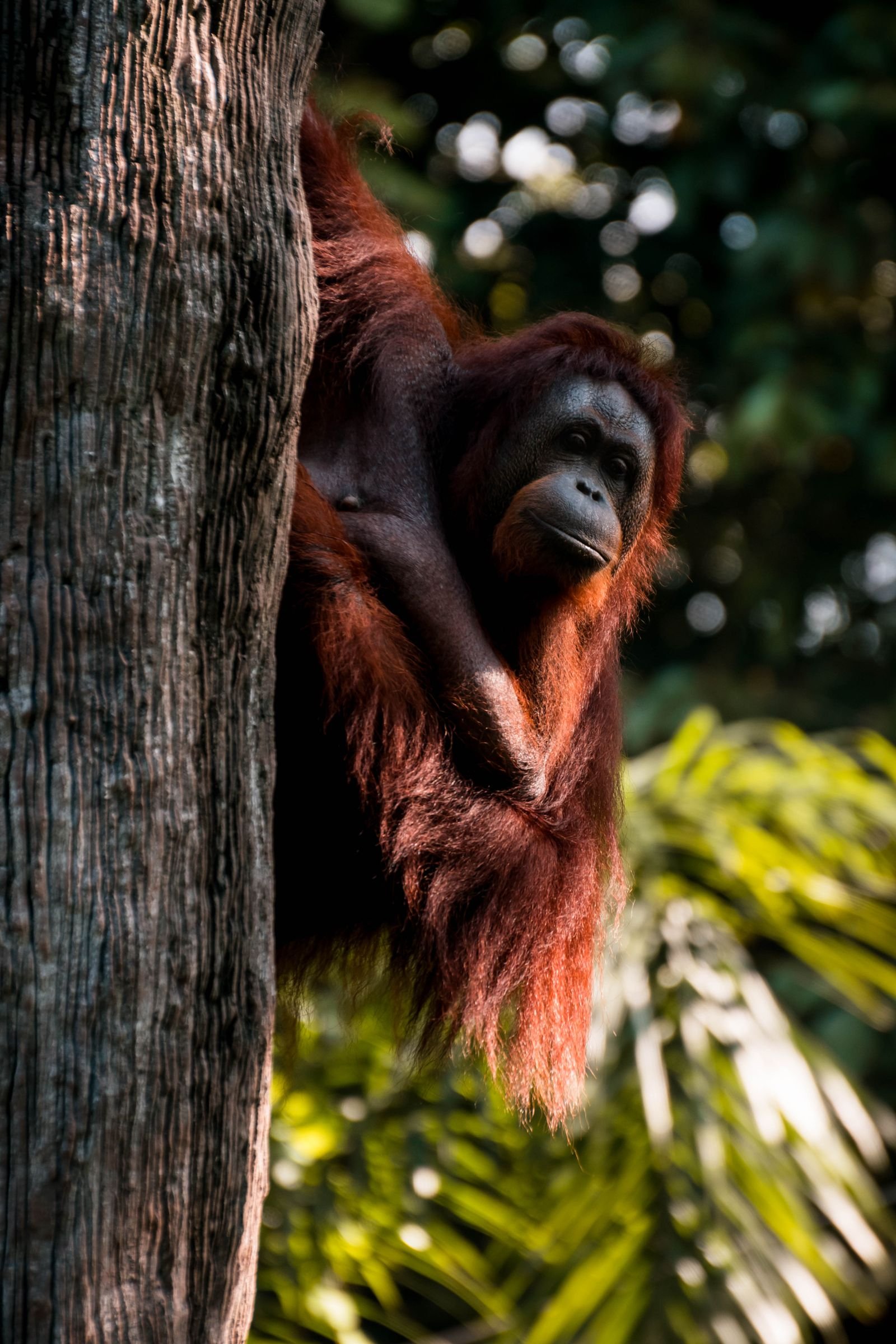
Kalimantan is the Indonesian two-thirds of Borneo, and it is where the island’s wildlife, rivers and Dayak culture are easiest to reach on an Indonesian itinerary. It is not a beach-and-nightlife destination. Travel here means river boats, long internal flights and forest, which is exactly why the orangutans, jellyfish lakes and floating markets are still uncrowded. This hub maps the five trips most visitors build a Kalimantan route around and links to our detailed guides for each.
Orangutans: Tanjung Puting and Samboja Lestari
Tanjung Puting National Park in Central Kalimantan is the headline experience. You travel by klotok, a two-deck wooden river boat with a crew of captain, cook and guide, up the Sekonyer River to feeding stations including Camp Leakey, Tanjung Harapan and Pondok Tanggui. Most trips run 3 days and 2 nights, sleeping on deck under a mosquito net. Expect roughly IDR 2,500,000 to 4,000,000 per person on a shared boat as of 2026, depending on group size and season. Our Tanjung Puting orangutan river cruise guide covers permits, packing and how to choose an operator, and you can compare orangutan tours before you book.
You reach the park by flying to Pangkalan Bun (Iskandar Airport, PKN), usually from Jakarta, Surabaya or Semarang, then driving 30 to 45 minutes to the port at Kumai where the boats depart.
Samboja Lestari in East Kalimantan is the easier option if you are already in Balikpapan. It is a rehabilitation and reforestation project run by the Borneo Orangutan Survival Foundation (BOS), about 1.5 hours by road from the city, and it also houses sun bears. Visits are usually organised as a half or full day, so book through BOS or a Balikpapan operator in advance rather than turning up. The animals here are in rehabilitation, so it is less wild than Tanjung Puting but far shorter on logistics.
Derawan Islands: Diving and Jellyfish
Off the northeast coast of East Kalimantan, the Derawan archipelago has green turtles under the jetty at Derawan Island, manta rays at Sangalaki, stingless jellyfish in Kakaban Lake and whale shark sightings around Maratua in the middle of the year. Reaching it means flying to Berau, driving about 2 hours to Tanjung Batu and taking a speedboat. Start with the Derawan Islands guide for islands and logistics, then read the Derawan diving guide for sites, depths and operators. Bring all the cash you need, as the islands have no ATMs.
Banjarmasin and the Floating Markets
Banjarmasin, the capital of South Kalimantan, is the “city of a thousand rivers”. Life here still runs along the Barito and Martapura rivers. The classic outing is a dawn boat to a floating market, where traders in conical hats sell fruit, vegetables and cakes from small wooden boats. Lok Baintan, on a tributary roughly 30 to 40 minutes upriver by motorboat, is the best known, with trading winding down by about 8am, so leave your hotel before sunrise. Boat charters are negotiated on the spot or through your hotel, and a rough starting point is IDR 300,000 to 500,000 for a small boat. Other stops in the city include the riverside Kuin district and the Sultan Suriansyah mosque, a historic Banjar-style wooden mosque. Fly into Syamsudin Noor Airport (BDJ), about 25 kilometres from the centre.
Dayak Culture and Mahakam River Trips
East Kalimantan’s Mahakam River runs inland from Samarinda toward the interior, past Kutai and Dayak communities of the Kenyah, Bahau and Benuaq peoples. Visits are often built around longhouses (lamin), carved memorial posts and traditional dance. The Pampang Cultural Village near Samarinda stages dance performances at weekends and is the easy way to see Dayak culture without a multi-day trip. Longer river journeys by longboat or river taxi are possible, but they depend on water levels, so arrange them with a local operator and confirm the route in the current season. Treat any longhouse stay as a visit to a living community: ask your guide before taking photos, bring small gifts such as sugar or coffee for the host, and dress modestly.
Nusantara, the New Capital
Indonesia is moving its capital from Jakarta to Nusantara (IKN), in East Kalimantan between Balikpapan and Samarinda, roughly 2 hours by road from Balikpapan. As of 2026 it is still a large construction site with a presidential palace area, ministry towers and wide boulevards in an area of former plantation forest. A day trip is interesting for anyone curious about the project, but it is not a classic sightseeing stop and some zones can be closed to the public, so check current access with your driver or tour operator. Our news piece on Nusantara eco-tourism covers the latest on visitor plans.
Getting In: Balikpapan or Pangkalan Bun
There are two sensible entry points, and you should pick by your main goal:
- Balikpapan (BPN) suits East Kalimantan: Samboja Lestari, Nusantara, the Mahakam and onward flights to Berau for Derawan. See our Balikpapan city guide and where to stay in Balikpapan for neighbourhoods and hotels, and browse Balikpapan tours for day trips.
- Pangkalan Bun (PKN) suits Tanjung Puting. Most visitors fly in, board their klotok the same day and fly out three days later.
- Banjarmasin (BDJ) is the third door, best for the floating markets and the south.
Inter-regional travel is by plane, not road. Balikpapan to Pangkalan Bun usually means connecting through Jakarta or Surabaya, so allow a buffer day if you stack Tanjung Puting and Derawan. For routes across the wider archipelago see our getting around Indonesia guide. Official planning information is on the national tourism site at indonesia.travel.
Sample Routes
- 7 days, wildlife focus: fly to Pangkalan Bun, 3 days on a klotok, return to Jakarta or Surabaya, then add Banjarmasin for a dawn floating market.
- 10 days, East Kalimantan: Balikpapan, Samboja Lestari, a Nusantara half-day, then fly to Berau and spend 4 nights on Derawan and Maratua.
- 12 days, both regions: Tanjung Puting first, then Banjarmasin, then Balikpapan and Derawan, with flights routed through Surabaya or Jakarta.
Practical Notes
Kalimantan is hot and humid all year, so pack light long sleeves, insect repellent and a rain jacket. Bring cash, since ATMs thin out quickly outside the cities. Travel insurance with medical evacuation cover is sensible for river and forest travel, and malaria and dengue advice is in our health and vaccinations guide. Never feed or touch orangutans, and keep 10 metres away where you can, as they can catch human respiratory illnesses.