February is the wettest month of the year across much of Java and Bali, yet it is also one of the most culturally interesting times to visit. Chinese New Year brings spectacular street celebrations to Jakarta, Medan, and Singkawang. Prices remain low outside of the Chinese New Year holiday window, and Raja Ampat continues its prime diving season.
Bali’s Wettest Month: 320mm Rainfall, Low Prices, CNY Crowds in Jakarta and Singkawang
| Destination | Avg High °C | Rainfall | Humidity | Sea Conditions |
|---|---|---|---|---|
| Bali | 29 | Very high (320mm) | 87% | Choppy on south and west coasts |
| Yogyakarta | 30 | Very high (300mm) | 86% | Inland - N/A |
| Jakarta | 31 | Very high (400mm+) | 88% | Rough in Java Sea |
| Lombok | 29 | High (270mm) | 85% | Choppy on south coast |
| Raja Ampat | 31 | Moderate (190mm) | 79% | Calm - excellent diving |
Jakarta Flood Risk, Raja Ampat and Banda Sea at Peak Dive Clarity
Wet season regions: Bali, Java, Lombok, and most of Sumatra are at peak rainfall. Jakarta in particular can experience flooding in low-lying areas - if you plan to visit, choose accommodation away from the Ciliwung River flood zones. Afternoon showers typically clear by evening.
Dry conditions: Raja Ampat, the Banda Sea, and eastern parts of Maluku remain calm and clear. February sits in the middle of the best dive window for these regions.
Komodo: Weather is manageable but rainy - Komodo dragon sightings are reliable year-round regardless of rain.
Cap Go Meh Parade in Singkawang: Indonesia’s Most Spectacular Chinese New Year
Chinese New Year (date varies, late Jan–mid Feb): The three largest celebrations in Indonesia are in Jakarta’s Glodok district (the historic Chinatown), Singkawang in West Kalimantan, and Medan in North Sumatra. Singkawang is widely considered the most spectacular - the Tatung parade features spirit mediums and enormous dragon floats. Free to attend street events; some temple access may require a small donation. Verify exact dates at calendar.co.id as Chinese New Year shifts each year.
Cap Go Meh (15 days after Chinese New Year): The closing night of Chinese New Year festivities. Singkawang’s Cap Go Meh parade draws tens of thousands of visitors; book accommodation in Singkawang six to eight weeks ahead.
Valentine’s Day (14 Feb): Not a public holiday, but beach resorts in Bali and Lombok run promotions. Prices briefly spike at romantic resort properties.
February Accommodation: Ubud Rates at Annual Low, Jakarta Check Flood Zones Before Booking
Jakarta (Glodok / Chinatown area for CNY)
- The Hermitage Jakarta: heritage hotel near Menteng, from approximately USD 180/night as of 2026
- Hotel Borobudur Jakarta: large colonial-era hotel, central, from approximately USD 120/night as of 2026
- OYO Townhouse properties in Glodok: budget options, from approximately USD 30/night as of 2026
Singkawang (West Kalimantan - for CNY parade)
- Hotel Mahkota Singkawang: best option in town, from approximately IDR 600,000/night as of 2026
- Hotel Parama: mid-range, central location, from approximately IDR 400,000/night as of 2026
Bali (Seminyak - low-season deals)
- The Layar: private villa complex, from approximately USD 400/night as of 2026
- Katamama: boutique Seminyak hotel, from approximately USD 200/night as of 2026
- Artotel Sanur: design hotel, quieter beach, from approximately USD 70/night as of 2026
Search hotels in Indonesia on Booking.com
February Dining: Ubud Tables Open for Walk-Ins, CNY Feasts in Singkawang and Jakarta
Jakarta:
- Sate Khas Senayan: classic Jakarta satay institution, approximately IDR 80,000–150,000 per person as of 2026
- Hakkasan Jakarta: upscale Cantonese - packed during CNY, approximately IDR 300,000–600,000 per person as of 2026
- Warung Betawi Mpok Nani: local Betawi food, approximately IDR 40,000–70,000 as of 2026
Bali:
- Sarong Bali (Seminyak): contemporary Indonesian-Asian, approximately IDR 300,000–500,000 per person as of 2026
- Warung Sulawesi (Seminyak): neighbourhood warung, excellent babi guling, approximately IDR 60,000–90,000 as of 2026
What to Pack for February: Umbrella, Quick-Dry Fabrics, Red Envelope for CNY
- Compact umbrella - packs smaller than a rain jacket
- Quick-dry fabrics throughout; avoid jeans
- Waterproof phone case or pouch
- Formal temple sash (sarong) - required at most Hindu temples in Bali; can be borrowed at entrance
- Electrolyte sachets - heat plus humidity is draining
- Red envelope (angpao) if joining Chinese New Year celebrations - optional but appreciated
- Anti-malarial advice: consult a travel health clinic before visiting Kalimantan or remote Maluku
Best For CNY Travellers and Raja Ampat Divers; Avoid If You Want Bali Beaches
Best for:
- Chinese New Year travellers - some of the best CNY events outside China
- Divers heading to Raja Ampat
- Budget Bali stays - February is the cheapest month of the year
- Cultural photographers - Singkawang parade is extraordinary material
Avoid if:
- You want guaranteed beach weather in Bali - south coast is at its roughest
- You need to drive through Jakarta during CNY week - traffic is extreme
- Flooding concerns apply to anyone with mobility issues in low-lying Jakarta areas
Verify CNY Dates Annually, Check BMKG for Jakarta Flood Alerts
All prices are approximate as of 2026. Chinese New Year dates shift each year - always verify with the official Indonesian government calendar at indonesia.go.id. BMKG (bmkg.go.id) provides daily weather forecasts including flood alerts for Jakarta.
Browse tours in Bali to see what’s available in your travel month - availability and pricing change with the seasons. Wherever you’re heading in Indonesia, travel insurance is strongly recommended - emergency medical evacuation from outer islands is expensive without cover.
See Also
- Best time to visit Indonesia - the full seasonal guide across all regions
- Indonesia rainy season guide - understanding what wet season means for travel in Bali and Java
- Raja Ampat diving guide - why February is one of the best months for Raja Ampat dive conditions
- Indonesia on a budget - making the most of February’s low-season pricing
- Visiting Indonesia in January - the conditions preceding February
Ready to Plan Your Trip?
See our itineraries for inspiration:
- One Week in Indonesia - Bali, Nusa Penida, Gili Islands and Lombok
- 2 Weeks in Indonesia - the island-hopping route from Bali east
- 1 Week in Bali - day-by-day first-timer’s guide with costs
- 5-Day Bali Honeymoon Itinerary - Seminyak, Ubud and Uluwatu
Plan Your Trip
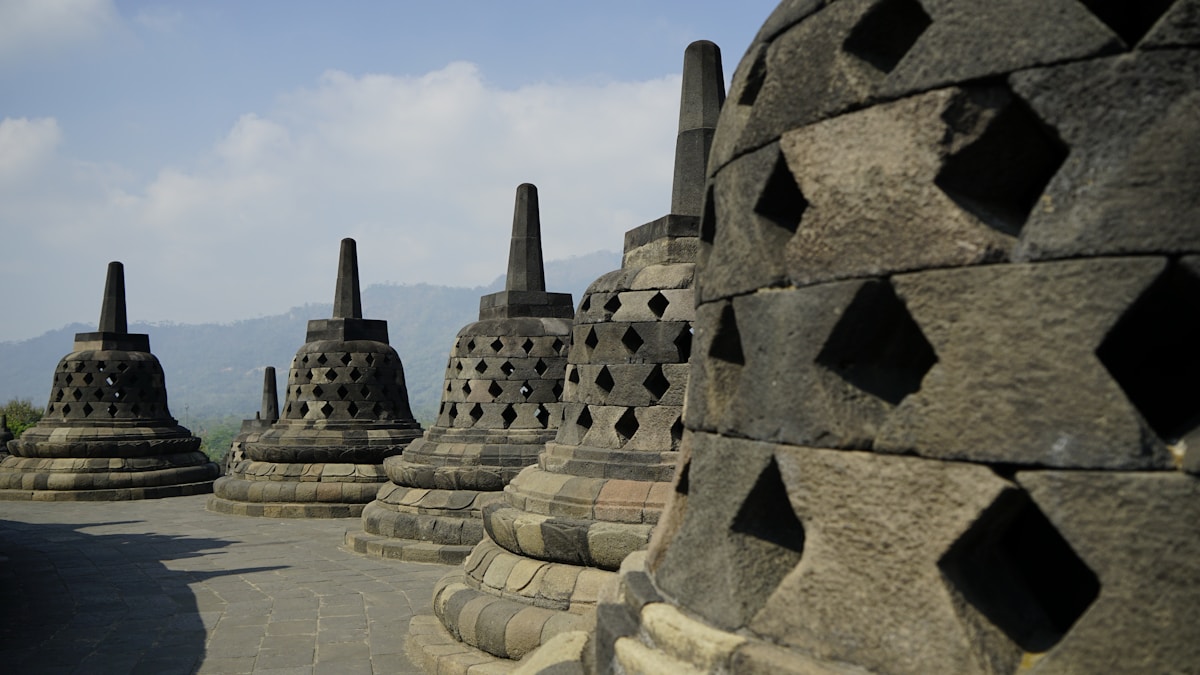
Cap Go Meh in Singkawang (West Kalimantan) falls on the 15th day after Lunar New Year - typically late January to mid-February - and is one of Indonesia’s most spectacular street festivals: tatung trance performers, dragon parades, and lion dances through a town that’s genuinely off the tourist circuit. Singkawang is a 4-hour bus from Pontianak, which has direct flights from Jakarta and Kuala Lumpur. Elsewhere, February is deepest wet season: Borobudur before 10am is mist-shrouded and far quieter than July. Raja Ampat’s calm window is still open; liveaboards in February see fewer guests than March. Confirm whether Ramadan begins in February before finalising Java or Bali plans - restaurant hours shift significantly outside tourist areas.
- Book flights to Indonesia
- Get travel insurance - Raja Ampat and outer island cover recommended
- Get an eSIM for Indonesia
- Book a liveaboard or dive resort in Raja Ampat