Indonesia is a tropical archipelago with a hot, humid climate year-round. Packing light makes sense - most things you might forget are available cheaply once you arrive. This list focuses on what’s genuinely useful and what often gets left out.
Climate to Expect
Indonesia sits between the equator and 11 degrees south. Most of the country is hot (28–34°C) and humid throughout the year. The main seasonal variable is rainfall:
- Dry season (May–September): reliably sunny in Bali, Lombok, and Komodo; best for trekking and diving
- Wet season (October–April): daily tropical downpours, usually an hour or two in the afternoon; not a reason to cancel a trip, but worth factoring into plans
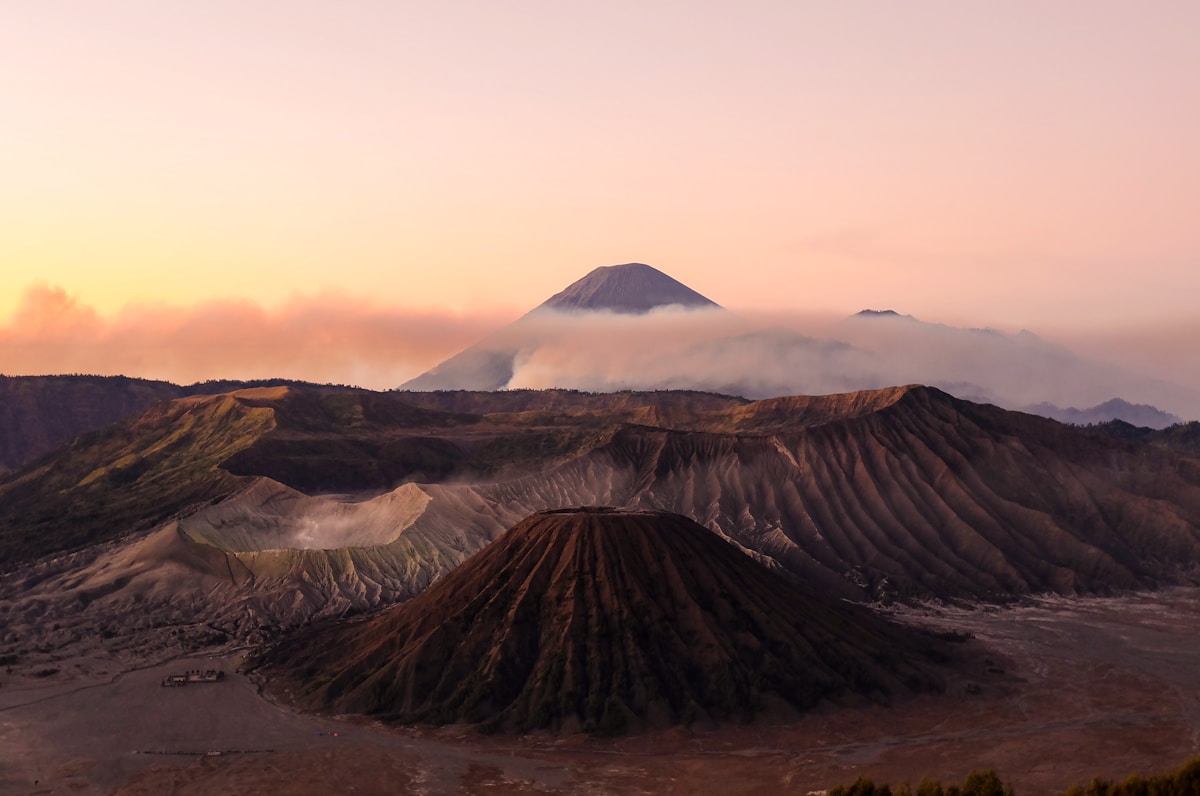
Higher elevations - Ubud in Bali, Yogyakarta plateau, Bromo - are noticeably cooler, especially at night. Bring one light layer if you plan to include volcano sunrises.
Clothing
Keep it light and breathable. Linen, bamboo cotton, and lightweight synthetic fabrics all work well. Heavy cotton is miserable in humidity.
Essentials:
- 4–5 T-shirts or light tops
- 2 pairs of lightweight trousers or shorts
- 1 light long-sleeve shirt (useful for sun, mosquitoes, and temple visits)
- Swimwear (2 sets so one is always dry)
- 1 sarong - a non-negotiable for temples, beach cover-up, and improvised towel
Temple and mosque visits: Your shoulders and knees must be covered. A sarong and a light button-up or wrap cover almost everything. Sarongs are sold everywhere in Bali for IDR 30,000–80,000, but having your own saves the minor hassle of renting at temple gates.
For cooler highlands: One thin fleece or merino layer is enough. You don’t need a jacket unless you’re trekking Rinjani or ascending Bromo in the pre-dawn cold (3–8°C at summit start).
Footwear
- Sandals (1 pair): Birkenstocks or similar - you’ll wear these most of the time
- Closed shoes (1 pair): required for some temples (Borobudur enforces this), useful for trekking, and necessary if you’re visiting Jakarta or Surabaya for anything professional
- Flip-flops: optional if you have sandals - useful around guesthouses and pools
Avoid packing hiking boots unless you have a serious multi-day trek planned. Lightweight trail runners do the same job and pack down far smaller.
Search hotels in Indonesia on Booking.com
Health and Hygiene
Sunscreen - reef-safe only. Conventional chemical sunscreens (oxybenzone, octinoxate) are banned or restricted at many dive and snorkel sites in Indonesia. Pack mineral-based SPF 50+ or plan to buy local reef-safe options in Bali (available in Seminyak and Canggu, slightly more expensive than abroad).
Mosquito repellent with DEET (at least 20%). Dengue fever is present throughout Indonesia, including Bali - it’s not a remote-area-only risk. Apply morning and evening, and especially at dawn and dusk when mosquitoes are most active. DEET-based repellents are available in Indonesia, but bringing your preferred brand is easier.
Other health essentials:
- Oral rehydration salts (ORS) - Bali belly affects many visitors in the first week; staying hydrated is the main fix
- Imodium and paracetamol - both available at Indonesian pharmacies (apotek) but having some in your bag avoids a pharmacy run when you feel least like walking
- Antihistamine - dust, pollen, and tropical plants catch some people off guard
- Personal prescription medications - bring more than you think you need; specific brands may not be available
Vaccinations: Check with your GP or a travel health clinic at least 6–8 weeks before departure. Hepatitis A and Typhoid are standard recommendations for Indonesia. Rabies is recommended if you’re going rural, trekking, or spending extended time near animals (monkey forests, rural Bali). Japanese Encephalitis is worth discussing if you’re spending time in rural rice-growing areas. Malaria prophylaxis is not required for Bali or Java but may be recommended for Papua, Maluku, or parts of Kalimantan.
Rain Gear
A compact packable rain poncho or small umbrella is worth packing - it takes up almost no space and you’ll use it if you travel between May and November anywhere outside the core dry-season belt, or anytime in Sumatra and Kalimantan.
A dry bag or waterproof phone case is useful for boat travel and scooter rides in rain.
Electronics
- Universal adaptor (Type C and Type F plugs are standard in Indonesia)
- Power bank - useful for day trips, island boats, and areas with unreliable power
- Waterproof phone case or dry pouch
- Headlamp - useful for early-morning volcano treks (Bromo, Batur, Rinjani)
- Laptop and USB-C charger if you’re working remotely (coworking spaces in Bali and Jakarta are excellent)
What to Leave at Home
Heavy bags. Indonesia involves a lot of bag-hauling: boat gangplanks, motorbike taxis, narrow guesthouse stairs. A 40-litre backpack or medium-sized rolling carry-on handles most trips comfortably.
Most medications. Indonesian pharmacies stock ibuprofen, paracetamol, antibiotics, antihistamines, stomach medications, and more - usually without a prescription and cheaply. You don’t need to pack a full medicine chest.
Expensive jewellery. There’s no need for it, and it’s an unnecessary risk in crowded tourist areas.
Formal clothing. Unless you have a specific business or wedding reason, you will never use it.
Travel insurance for Indonesia is essential - cover for medical evacuation, trip cancellation, and adventure activities is strongly recommended before any multi-island trip. Picking up an Indonesia eSIM before you fly means you land connected - no queuing at airport SIM kiosks on arrival.
See Also
- Indonesia health and vaccinations - what medications and health prep to consider before departure
- Indonesia travel insurance guide - ensuring diving, trekking, and motorbike activities are covered
- Best time to visit Indonesia - choosing the right season affects what to pack
- Indonesia rainy season guide - wet season packing adjustments for rain gear and humidity
- First time in Indonesia - the complete guide covering what to expect on arrival
Ready to Plan Your Trip?
See our itineraries for inspiration:
- One Week in Indonesia - Bali, Nusa Penida, Gili Islands and Lombok
- 2 Weeks in Indonesia - the island-hopping route from Bali east
- 3 Weeks in Indonesia - Java, Bali and the eastern islands
Plan Your Trip
✈️ Book your flights to Indonesia 🛡️ Get travel insurance 📱 Stay connected with an eSIM 🚗 Rent a car