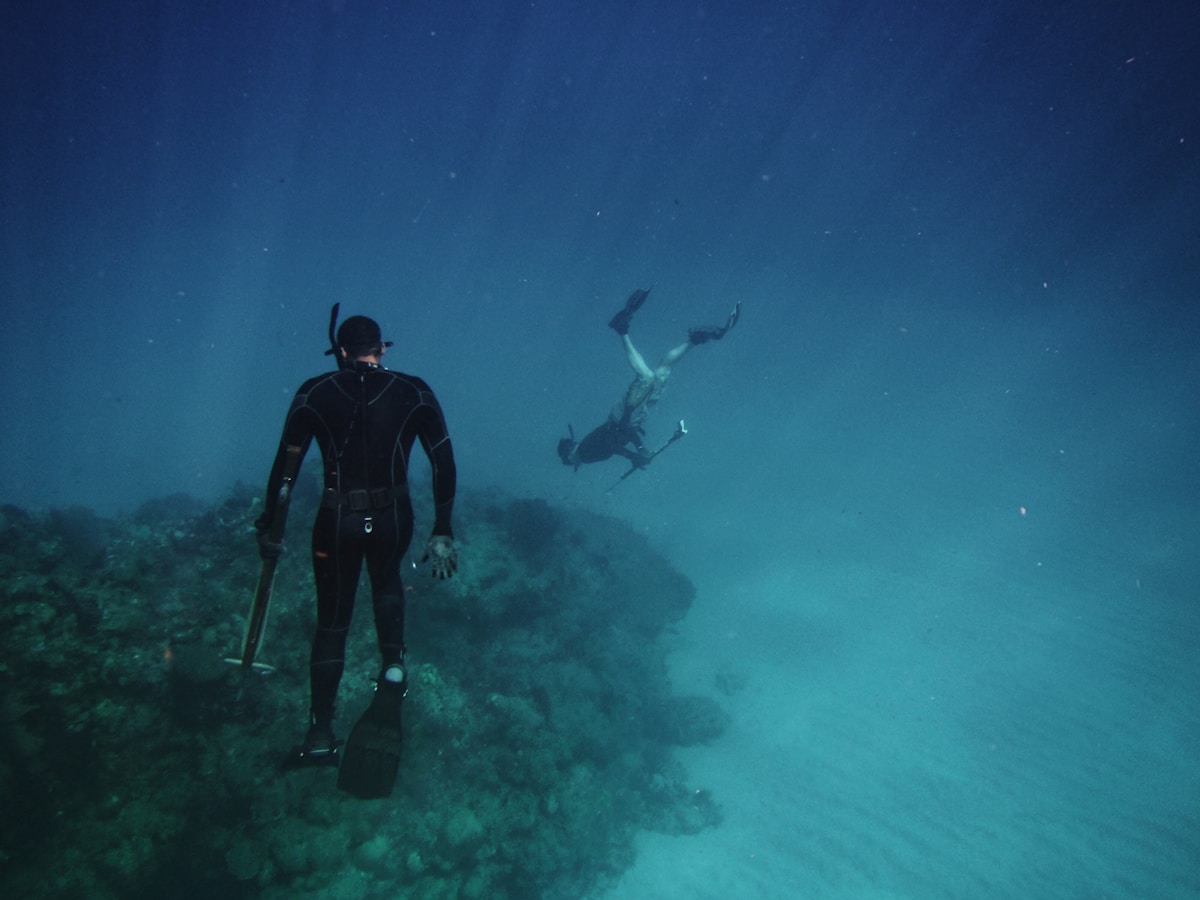
The Togean Islands sit in the middle of Tomini Bay in Central Sulawesi - an archipelago of 56 islands spread across roughly 90km of turquoise water, with almost no tourist infrastructure compared to Bali or Lombok. Getting there requires commitment: overland buses, slow ferries, and the occasional guesthouse that runs entirely off-grid. What you find at the end of that journey is some of Indonesia’s best snorkelling and diving, intact Sea Bajau stilt villages, and an island pace that erases any sense of urgency you arrived with.
Getting to the Togean Islands
The Togeans are genuinely remote. Plan the journey before you go - transport schedules are infrequent and connections can add a day if you miss a link.
Via Ampana (main route)
From Makassar: Fly to Luwuk (about 1.5 hours), then take a bus or shared car to Ampana (approximately 5–6 hours, IDR 100,000–150,000 as of 2026). Or fly Makassar–Palu, then overland to Ampana via Poso (approximately 6–8 hours). Total journey from Makassar to Ampana: allow one full travel day.
From Manado: Bus or shared car south via Gorontalo and Marisa to Ampana - about 10–12 hours on rough roads. Alternatively fly to Gorontalo and connect overland.
Ampana to Wakai ferry: The government ASDP ferry departs Ampana on a schedule that changes seasonally - check at the Ampana port office on arrival. The crossing to Wakai (main hub island in the Togeans) takes approximately 5–6 hours and costs approximately IDR 75,000–100,000 as of 2026. Some speedboat charters are available at approximately IDR 500,000–800,000 per boat for smaller groups if you want to cut the crossing to 2 hours.
Via Gorontalo (alternative route)
Fly to Gorontalo, then take a longer ferry route that calls at Bomba and other islands before reaching Wakai. This route takes longer total but allows you to arrive from Sulawesi’s north coast and suits those combining the Togeans with a Manado or Bunaken trip.
Wakai - the island hub
Wakai on Batudaka Island is the main entry point: ferry dock, a handful of warungs, and the connecting point for smaller motorboats to outlying islands like Kadidiri and Pulau Papan. Most guesthouses will arrange to pick you up from Wakai if you message ahead.
Where to Stay in Togean Islands
Accommodation in the Togeans is overwhelmingly guesthouses and bungalows on stilts over the water - wood-and-thatch structures built in the style of the Sea Bajau fishermen who have lived here for generations. Electricity runs on generators or solar, typically a few hours in the evening. There are no shops on the smaller islands, so meals are always included in accommodation rates. The Togeans are genuinely remote; luxury in the conventional sense does not exist here, and the upper-tier options are boutique dive resorts rather than resort hotels. Most guesthouses are not on international booking platforms - contact by WhatsApp or through Ampana-based travel agents.
Budget (from approximately USD 20–40/night as of 2026)
Lestari Guesthouse, Wakai provides basic but clean wooden bungalows a short walk from the Wakai ferry dock, making it a practical choice for a first or last night when ferry timing is uncertain. The location in Wakai rather than on a dive island suits travellers who need flexibility with the boat schedule. From approximately USD 20–30 per person per night including meals as of 2026.
Fadhila Cottage (Fadhila Island Resort), Kadidiri sits on a sandy spit with house reef access directly from the jetty. Wooden stilt rooms face the water and the reef is visible from the breakfast table. This is the most popular guesthouse on the most popular snorkelling island, and the combination of location and house reef access makes it the benchmark budget-with-diving option in the archipelago. From approximately USD 30–45 per person per night including meals as of 2026; dive packages cost approximately USD 25–35 per dive additionally.
Basic stilt bungalows on Kadidiri and Pulau Papan start from approximately USD 20/night including meals. These are the most stripped-back options available and are functional for travellers whose priority is snorkelling and time in the water rather than facilities on land.
Mid-Range (from approximately USD 40–100/night as of 2026)
Island Retreat, Kadidiri offers higher-specification rooms on the same island as Fadhila, with a larger dive operation, better generator hours, and more reliable equipment. It is one of the few places in the Togeans that can arrange beginner dive courses for those new to scuba. The facility level is still rustic by Southeast Asian mid-range standards, but it is meaningfully better than the basic stilt bungalow options. From approximately USD 40–55 per person per night including meals as of 2026.
Black Marlin Dive Resort provides a more structured dive resort experience with dedicated dive boats, a better-organised equipment store, and accommodation in solid bungalows rather than basic wood-and-thatch. It suits divers who want reliable logistics and consistent dive briefings alongside the Togeans’ exceptional reef access. From approximately USD 80/night as of 2026.
Pulau Cinta Eco Resort operates a small eco-resort model on a private island near Wakai, with comfortable bungalows over the water, solar power, and an environmental ethos reflected in the management of the surrounding reef. A reasonable mid-range option for travellers who want something with a cleaner environmental approach. From approximately USD 100/night as of 2026.
Luxury (from approximately USD 150/night as of 2026)
The Togean Islands do not have luxury resort infrastructure. The upper tier here means the best boutique dive resorts, which provide better-appointed bungalows, more reliable power, and more professional dive operations than the budget guesthouses - not five-star hotel facilities. Travellers expecting Bali or Raja Ampat-level luxury should understand this before choosing the Togeans.
Togean Islands Bungalows and boutique dive resorts at the premium end of the market offer private bungalows over the water with private bathrooms, better beds, and more complete dive packages. The best boutique properties in the archipelago run approximately USD 150–200/night including meals and guided dives as of 2026. Confirm current operator status before booking as small resorts in remote Indonesian archipelagos open and close with some frequency.
Search hotels in Togean on Booking.com
Diving and Snorkelling
The Togeans are classified as part of the Coral Triangle, the world’s centre of marine biodiversity. The archipelago’s isolation has spared it from intensive fishing and anchor damage that have degraded reefs elsewhere in Indonesia.
Coral Garden sits in shallow water (5–15m) between Kadidiri and Pulau Papan. The density of hard and soft coral here is exceptional - this is the right site for snorkellers as much as divers. Turtles rest on the reef regularly.
Eel Garden: A sandy slope leading down to 25m+ covered in garden eels. Good for macro photography. Usually dived as a second site combined with Coral Garden.
Una-Una volcano: Pulau Una-Una rises from the bay as an active stratovolcano. The underwater landscape around its slopes is dramatic - lava formations covered in coral and resident school-sized aggregations of fish. The crossing from Kadidiri takes approximately 1.5 hours by motorboat. Una-Una itself can be climbed; ask your guesthouse for a guide (approximately IDR 150,000–200,000 as of 2026).
Snorkelling from guesthouses: All Kadidiri guesthouses have house reefs reachable by ladder from the jetty. Equipment rental runs approximately IDR 30,000–50,000 per day. No boat needed for half a dozen good snorkel sites around the island.
Diving costs (full equipment and guide): approximately USD 25–45 per dive as of 2026, with discounts on dive packages of 5+ dives. Note that dive operators in the Togeans are small and informal by Bali standards - verify that guides hold recognised dive certifications (PADI/SSI) before committing to a course.
Sea Bajau (Bajo) Villages
The Bajo people - traditionally nomadic sea dwellers - have built stilt villages over the shallows around the Togeans for generations. Several communities on the islands welcome visitors; the largest village clusters are near Wakai and on Pulau Papan.
A visit typically involves arriving by motorboat, walking the wooden plank paths between houses, and watching daily life: net-mending, boat-building, children swimming off the jetties. Etiquette: ask before photographing individuals, dress modestly (covered shoulders and knees), and consider buying fish or handicrafts rather than treating the village as a spectacle. Guesthouses can arrange guided visits for approximately IDR 50,000–100,000 per person as of 2026.
The Bajo lifestyle is genuinely distinct from Sulawesi’s land communities - traditional free-diving for fish is still practiced alongside modern boats and outboard motors. Spending an afternoon here provides context for the archipelago that a week of beach time alone cannot.
Kayaking and Island-Hopping
Beyond diving, the Togeans’ calm inner bay water is ideal for sea kayaking. Several guesthouses on Kadidiri rent single kayaks for approximately IDR 50,000–75,000 per hour as of 2026. A guided half-day paddle to a mangrove estuary and back costs approximately IDR 150,000–200,000 per person.
Island-hopping by motorboat: charter a local wooden boat from Wakai for approximately IDR 300,000–500,000 per day to reach islands without guesthouses. Some outer islands hold pristine beaches with no facilities and no other visitors.
Planning Your Budget
For 5 days on the islands (not counting travel to/from Ampana):
| Item | Budget range (IDR, as of 2026) |
|---|---|
| Ampana–Wakai ferry (return) | 150,000–200,000 |
| Accommodation + 3 meals/day × 5 nights | 1,500,000–3,500,000 |
| 3 dives with equipment | 1,200,000–2,000,000 |
| Snorkel rental + kayak + excursions | 300,000–600,000 |
| Bajo village visit + Una-Una boat | 200,000–400,000 |
| Total | ~2,500,000–5,000,000 |
At mid-2026 exchange rates this is approximately USD 150–300. This is cheap by Southeast Asian standards for the quality of marine life on offer.
Health and Safety
Malaria: Central Sulawesi has confirmed malaria transmission. Consult a travel medicine doctor before travel and discuss chemoprophylaxis suitable for your health profile. Use high-DEET repellent from dusk onward. Most guesthouses provide mosquito nets - confirm when booking.
Medical facilities: The nearest hospital is in Ampana (for Togean visitors) or Palu. There is no decompression chamber in the immediate area. Divers should dive conservatively and consider DAN dive insurance.
Food and water: Guesthouses serve their own-cooked meals - generally safe. Stick to bottled water, which guesthouses supply. Avoid raw shellfish from unvetted sources.
Best Time to Visit
April–October is the dry season. Seas are calmer, ferry crossings less rough, and diving visibility peaks at 20–30m. July and August are busiest (still very quiet by Indonesian standards). November–March brings rain and occasional rough weather in Tomini Bay. Ferries still run but crossings can be uncomfortable and some guesthouses reduce their hours. If flexibility allows, May–June or September–October offers the best combination of good conditions and fewer visitors.
Book tours and day trips in Togean Islands - most include transport from your guesthouse and a local guide familiar with the island’s best spots. Bookaway covers the main ferry routes between the islands - book in advance during peak season when boats fill quickly.
More Sulawesi Guides
- Sulawesi island guide - the full Sulawesi overview: Toraja, Manado, Bunaken, Makassar, and getting around
- Bunaken diving guide - the wall dives and coral gardens of Manado’s marine national park
- Wakatobi dive sites guide - the most remote pristine reef diving in Indonesia, south of Sulawesi
- Sulawesi diving itinerary - combining the Togeans with Bunaken, Lembeh Strait, and Wakatobi
- Indonesia diving guide - the Coral Triangle in context: where the Togeans fit among Indonesia’s dive destinations