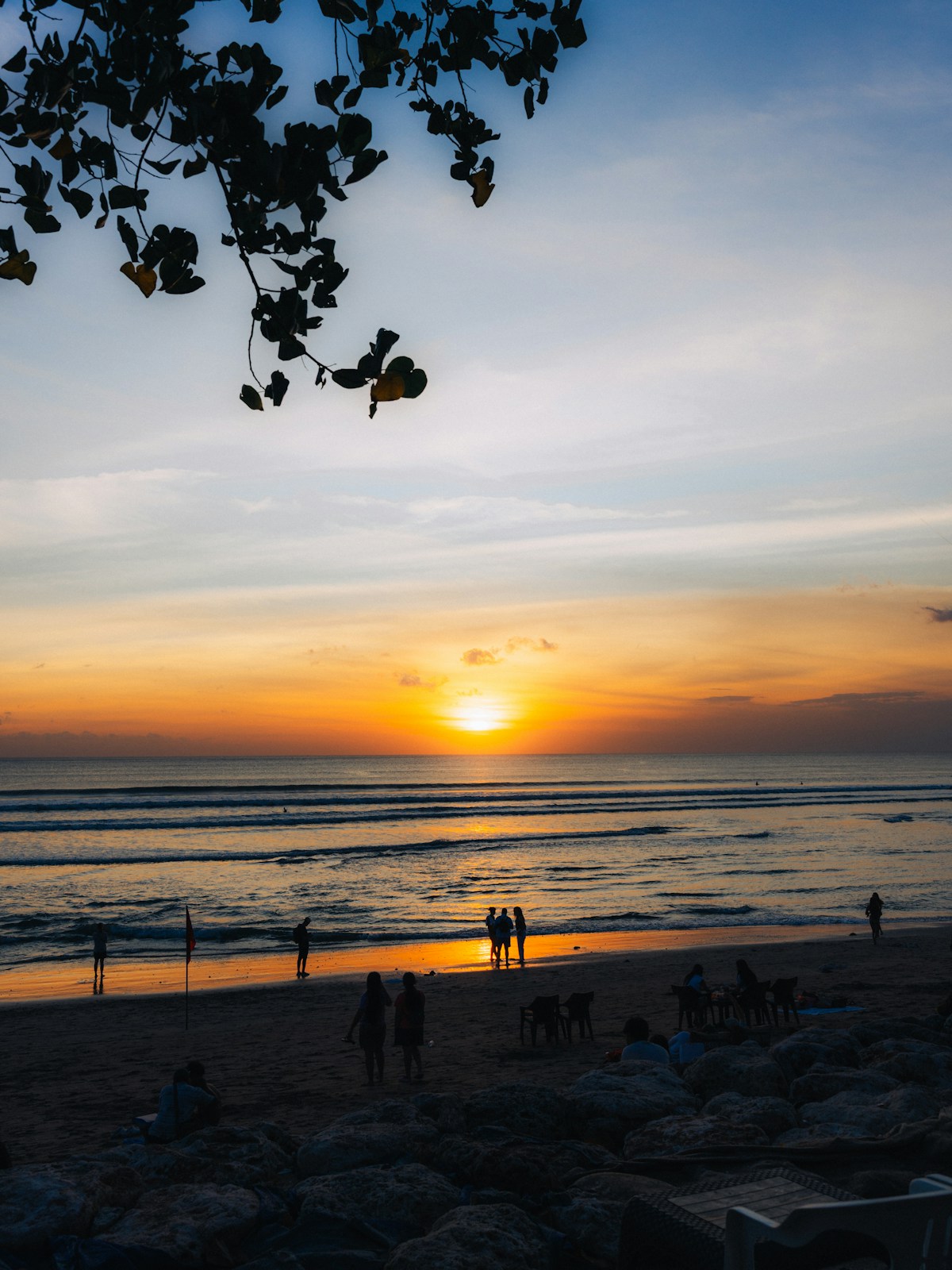
Bali has more than 100km of coastline and the beaches vary enormously - from the crowded tourist strips of Kuta to near-deserted white sand coves requiring a 30-minute hike to reach. The best beach for your trip depends on what you are there for: swimming, surfing, sunset drinks, seclusion, or all of the above.
This guide covers the main beaches in the south and west - where most visitors spend their time - plus the lesser-known options that reward the extra effort.
Kuta and Seminyak Area
Kuta Beach
Kuta is Bali’s original tourist beach - 4km of open ocean sand running south from Seminyak to the airport. The beach is wide, lively, and fully equipped with surf board rentals, warung food, and lifeguard flags. The wave is consistent and beach-breaking - ideal for surf lessons.
Crowd level: Very high. Kuta beach is one of the busiest tourist beaches in Southeast Asia. Not a seclusion option.
Best for: Learning to surf (highest density of schools), watching the sunset, budget warungs.
Not for: Swimming without caution - the surf is powerful and rips are present outside flagged areas.
Seminyak Beach
North of Kuta, the beach is the same sand but the crowd is different - beach clubs replace the budget warung strip, and the vibe shifts from backpacker to boutique. Potato Head and La Brisa define the experience. The waves are consistent and the sunset faces directly west.
Crowd level: High, but better managed than Kuta. Beach clubs create some natural spacing.
Best for: Sunset drinks, beach clubs, and combining beach time with Seminyak’s restaurant scene.
Berawa and Pererenan (Canggu North)
North of the central Canggu area (Echo Beach, Batu Bolong), the beach opens out through Berawa and Pererenan. Fewer dedicated tourist facilities mean these stretches see less traffic. Berawa fronts Atlas Beach Fest; Pererenan is quieter still, with a small break popular with local surfers.
Crowd level: Medium to low.
Best for: Those based in Canggu who want a less crowded stretch of sand.
Bukit Peninsula
The limestone Bukit Peninsula south of Kuta has the most dramatic beach scenery in Bali - cliff-backed coves with turquoise water - but most beaches require steep descents to access.
Padang Padang
A sheltered cove at the base of a staircase through a cave-like cliff gap. Famous as a surf break (it has hosted the Rip Curl Cup) and as a filming location. The beach itself is small - perhaps 100m of sand - and gets crowded in the afternoon.
Access: Staircase descent from the road (about 5 minutes). Entry fee approximately IDR 15,000 as of 2026.
Crowd level: High during the day.
Best for: The surf break (advanced surfers only), the dramatic entry, morning visits before tour groups arrive.
Suluban (Blue Point Beach)
A cave-access beach below Single Fin bar - the tide determines access. At low tide, you pass through cave formations to a sheltered area directly below the cliff. At high tide, the cave passage floods and the beach disappears. The setting is unique.
Access: Walk from the Single Fin parking area and descend through the cave passage. Check tide times before going.
Crowd level: Low to medium (the tide-dependent access keeps casual visitors away).
Best for: Snorkelling at low tide, exploring the rock formations, combining with a visit to Single Fin for sunset.
Balangan Beach
One of the most scenic beaches on the Bukit Peninsula accessible by a short walk rather than a dangerous descent. The beach is approximately 400m of white sand flanked by cliffs, with a left-hand surf break popular with intermediate surfers. Simple warungs and surf rentals are available.
Access: Marked road from the Uluwatu area, short walk to the beach. Parking fee approximately IDR 5,000 as of 2026.
Crowd level: Medium - popular but not overwhelmed.
Best for: The combination of scenery and accessibility. One of the better full-beach days on the Bukit without requiring a difficult descent.
Nyang Nyang
The most remote of the Bukit’s accessible beaches - reached via a 20–30 minute hike down a steep path from a small car park. The beach is approximately 1km of white sand that sees very few visitors due to the access effort. Swimming is possible in calmer conditions.
Access: Hike from the Pecatu area. Wear shoes suitable for loose gravel. No facilities at the beach - bring water.
Crowd level: Very low.
Best for: Those who genuinely want a near-empty beach. The hike down is steep but the payoff is real. Allow 45–60 minutes for the round trip.
Green Bowl Beach
South of Nyang Nyang, accessed via a concrete staircase of approximately 300 steps. Sheltered cove with good snorkelling on the reef. Monkeys inhabit the cliff above and come down to the beach regularly.
Access: Concrete stairs from a car park at the cliff edge. Genuinely steep - the descent is faster than the ascent. Allow 20 minutes each way.
Crowd level: Low to medium.
Best for: Snorkelling, seeing monkeys in a natural setting, a slightly less committed version of the Nyang Nyang experience.
Melasti Beach
A newer beach in the southern Bukit, developed relatively recently with organised car parking and facilities. Long stretch of white sand with good water clarity. Less dramatic than Balangan or Nyang Nyang but easier to access and better for swimming.
Access: Well-signposted road with a small entry and parking fee.
Crowd level: Medium and growing.
Best for: Families wanting white sand and calm-ish water without a difficult descent. Increasingly popular with day trips from Seminyak.
East Bali
Bias Tugel
A small beach near Padang Bai on the east coast - tucked into a cove a short walk from the Padang Bai ferry port. Calm water, basic warung facilities, almost entirely off the main tourist circuit.
Access: Walk from Padang Bai harbour, approximately 15 minutes on a coastal path.
Crowd level: Very low.
Best for: Travellers passing through Padang Bai for the Lombok ferry who want a beach stop. One of the few genuinely quiet swimming beaches close to south Bali’s infrastructure.
Sanur
Not dramatic, but the most practical beach for safe swimming. The reef creates a lagoon effect - no dumping shore break, calm water, consistent depth. The 4km beach promenade makes it the most walkable beach area in Bali. Lifeguards patrol the main section.
Crowd level: Moderate, but spread across a long beach.
Best for: Families with young children, morning swims, standup paddleboarding, and using the beach as a start point for Nusa Penida day trips.
What to Know Before You Go
Bali’s west-facing beaches (Kuta, Seminyak, Canggu, Uluwatu) get direct sunset light and are best photographed from 4pm onward. The wave action makes them better for surfing than swimming.
The Bukit coves (Padang Padang, Balangan, Nyang Nyang) are most beautiful in the morning before the crowd arrives and before the heat builds. Most face south or west - they do not catch sunrise light.
Reef cuts: Coral is present at many Uluwatu and east coast beaches. Water shoes are worth carrying in areas where you might be scrambling over rocks.
Flag systems: Lifeguarded beaches (Kuta, Seminyak, some Sanur sections) operate a flag system. Red-yellow flags indicate patrolled swimming areas; red-only means no swimming. Never ignore the flags - Bali’s shore break drowning statistics are high relative to the visitor numbers.
Book beach tours and day trips in Bali - most include transport from your guesthouse and a local guide familiar with the island’s best spots. Bookaway covers the main ferry routes between the islands - book in advance during peak season when boats fill quickly.
Search hotels in Bali on Booking.com
See Also
- Bali island guide - the full overview: regions, getting around, and when to visit
- Where to stay in Bali: area guide - comparing Seminyak, Canggu, Uluwatu, and the south coast by beach access
- Surfing in Indonesia - which Bali breaks suit beginners and which need experience
- Nusa Islands from Bali - day trips to Nusa Penida, Nusa Lembongan, and Nusa Ceningan by fast boat
- Beach clubs in Bali - the best beach club experiences at Seminyak and Uluwatu