Where to Stay in Bali: Best Areas for Every Trip Type
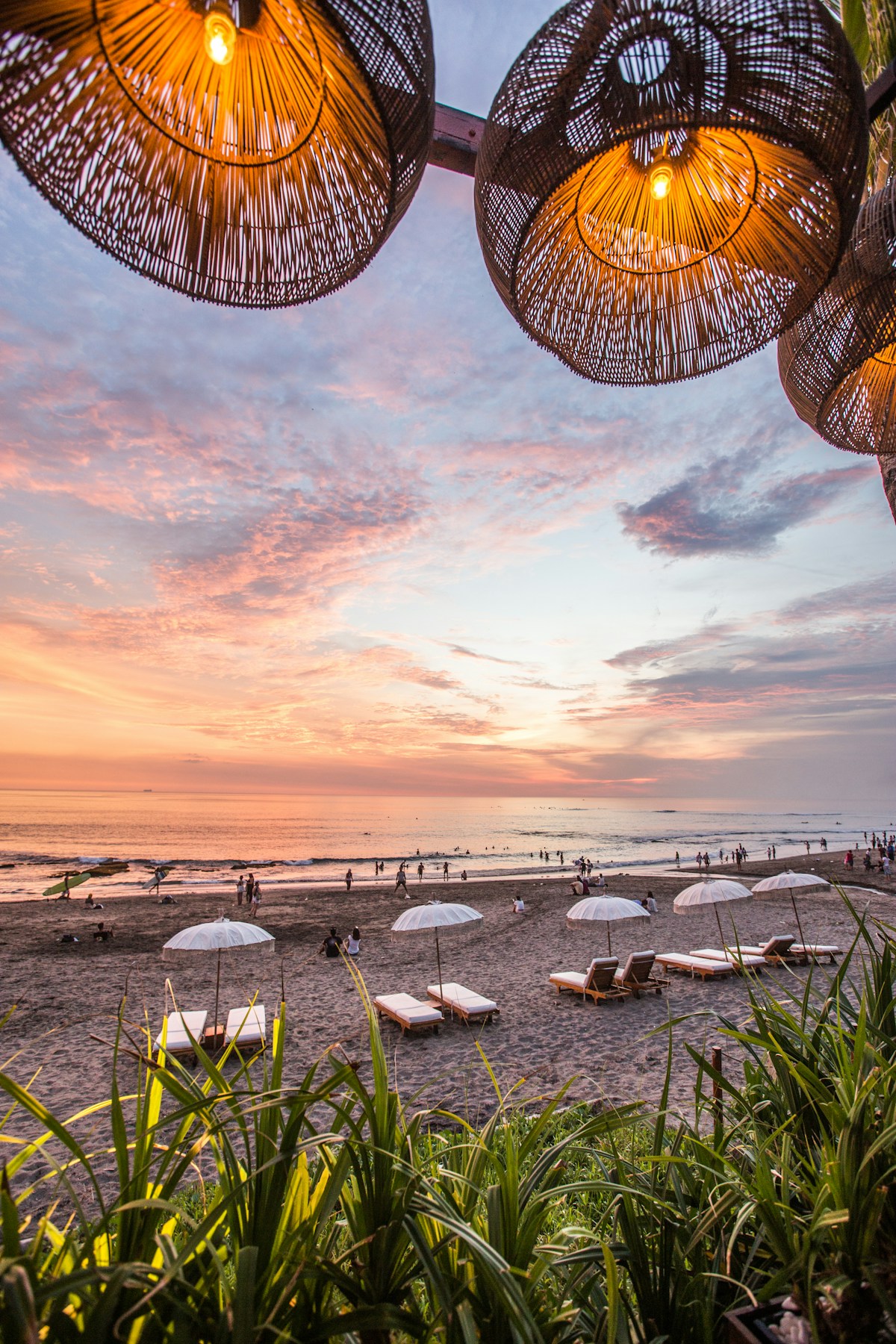
Choosing where to stay in Bali determines more of your experience than almost any other decision. The island is large, traffic is heavy, and the different areas have almost nothing in common beyond tropical heat and a proliferation of temples. Pick the wrong neighbourhood for your trip type and you will spend half your holiday in traffic between where you are staying and where you want to be.
This guide covers the main areas used by visitors, with honest notes on vibe, price range, beach quality, and who each suits best.
Quick Comparison
| Area | Vibe | Beach | Budget (USD/night) | Best for |
|---|---|---|---|---|
| Seminyak | Upscale beach resort | Long, surf | $40–200+ | Couples, beach bar crowd |
| Canggu | Surf / digital nomad | Breaks, sunset | $25–150 | Surfers, remote workers |
| Ubud | Jungle / spiritual | None | $30–300 | Culture, yoga, nature |
| Uluwatu | Clifftop / surf | Coves below cliffs | $50–400 | Surfers, romantic stays |
| Sanur | Relaxed, local | Calm, reef-protected | $30–150 | Families, older travellers |
| Nusa Dua | Resort | Calm, resort beach | $80–500+ | Families, honeymoons |
| Jimbaran | Quiet seafood town | Calm bay | $40–250 | Couples, seafood lovers |
Seminyak
Seminyak is where south Bali’s beach resort infrastructure is at its most polished. The beach is long, wide, and relatively uncrowded compared to Kuta immediately to the south. Beach clubs — Potato Head, La Brisa, Mrs Sippy — line the coast, alongside a high density of decent restaurants, rooftop bars, and boutique hotels. Streets run parallel to the beach and are navigable on foot, which is unusual for Bali.
Budget from approximately USD 40–80/night for a simple guesthouse; mid-range villas start around USD 100–150/night; the better beach-facing hotels run USD 200–400/night.
Best for: First-time visitors who want easy beach access, good restaurants, and some nightlife without the chaos of Kuta. Also suits couples wanting a short, comfortable city-beach break.
Watch out for: Traffic backing up from Kuta on weekends and during the July–August peak. The strip can feel repetitive after a few days if you are not a beach club person.
Canggu
Canggu stretches north of Seminyak and has become Bali’s centre of gravity for younger travellers, surfers, and digital nomads. The beach is volcanic black sand in places, with consistent swell and multiple surf breaks. The streets behind the beach have the highest density of co-working spaces, specialty coffee, and bowl food anywhere in Indonesia. Old Man’s and Batu Bolong cafes are reference points; Berawa has the more upscale options.
Budget from approximately USD 25–60/night for a clean guesthouse or homestay; surf camp packages with lessons from USD 40–60/night; villas with pools from USD 80–200/night.
Best for: Remote workers, people learning to surf, those wanting a young social scene without the big-club atmosphere of Seminyak. Also one of the better bases for people who want Bali’s food scene and don’t prioritise beach swimming. Digital nomads should see our Canggu digital nomad guide for coworking spaces, monthly costs, and visa options.
Watch out for: Daytime traffic in central Canggu has become severe. Motorbike or bicycle is still manageable but the roads to Echo Beach and Pererenan can be gridlocked in the afternoon.
Ubud
Ubud sits inland in the middle of Bali, surrounded by rice terraces, forests, and river valleys. There is no beach — the town is 45–60 minutes from the coast by taxi. What Ubud has instead is the strongest concentration of Balinese traditional culture: temple ceremonies, gamelan music, traditional dance, and artisan craft villages radiating out from the centre. The Monkey Forest, Campuhan Ridge Walk, and Tegallalang rice terraces are all accessible on foot or by short taxi.
Budget from approximately USD 30–60/night for a simple guesthouse with garden views; jungle pool villas start around USD 80–150/night and some of Bali’s most spectacular resort accommodation — cliff-hanging open-plan villas with forest and valley views — runs USD 200–500+/night.
Best for: Anyone primarily interested in Balinese culture, yoga, wellness retreats, cooking classes, or nature walks. Ubud works well as a second destination after a beach-focused first week.
Watch out for: Ubud gets genuinely crowded around the Monkey Forest and Tegallalang terraces from 9am to 4pm. The town centre can feel like a tourist strip in the peak hours. The best of Ubud requires getting out before 8am or staying in the surrounding villages rather than central Ubud itself.
Uluwatu
Uluwatu occupies the southern tip of the Bukit Peninsula — a limestone plateau that ends in dramatic cliffs dropping into the Indian Ocean below. The beach clubs and surf breaks sit at the bottom of those cliffs and are accessed via steep staircases. OMNIA, Sundays Beach Club, and Single Fin are the well-known spots; Padang Padang and Suluban (Blue Point Beach) are the main surf breaks. The famous Uluwatu Temple sits at the cliff edge above.
Accommodation ranges from budget guesthouses around USD 40–70/night to cliffside villas and boutique hotels at USD 150–500+/night. The design-led, clifftop hotel category is excellent here.
Best for: Experienced surfers and people who want a visually dramatic stay with ocean views. Also suits couples looking for a romantic, secluded feel — the cliff-edge pool villa is something Uluwatu does better than anywhere else on the island.
Watch out for: Everything in Uluwatu requires a steep climb up or down. Getting food, groceries, or transport outside beach club hours is less convenient than staying in the north. It is not a good base for exploring the island widely.
Sanur
Sanur is Bali’s quietest main beach town — a promenade of hotels, cafes, and restaurants running along a calm, reef-protected beach that is good for swimming and safe for children. The town has a local Balinese feel that Seminyak and Canggu have largely lost. It is also the main departure point for fast boats to Nusa Penida, Nusa Lembongan, and the Gili Islands.
Budget from approximately USD 30–60/night for a family-run guesthouse; mid-range beach hotels from USD 80–150/night.
Best for: Families with young children, older travellers wanting a relaxed pace, and anyone using Bali as a base for island day trips. Sanur’s reef-protected bay means children can swim safely without the dumping surf of Seminyak or Canggu.
Watch out for: The beach itself is relatively narrow and the sea is not particularly dramatic — it is calm and functional rather than beautiful. The town has less nightlife and fewer restaurant choices than the southern strip.
Nusa Dua
Nusa Dua is a purpose-built resort zone on a peninsula at Bali’s southern tip, enclosed behind a security gate. The beaches are clean and calm (protected by a reef), the roads are wide and easy, and the resorts — Mulia, Grand Hyatt, St Regis, Sofitel — are large, well-staffed, and offer the full range of facilities. Everything inside the resort zone is convenient. Everything outside requires a taxi or organised tour.
Budget from approximately USD 80–150/night at mid-range properties; international chain hotels from USD 200–500+/night.
Best for: Families wanting an easy all-inclusive or resort experience, honeymoon couples wanting seamless service and calm swimming, and travellers who do not want to navigate Bali independently.
Watch out for: Nusa Dua is intentionally isolated from the real Bali. If you want to experience local markets, warungs, and Balinese village culture, you will not find it here. Most guests organise day trips from the resort to reach the island’s cultural heart.
Jimbaran
Jimbaran is the small fishing town between the airport and the Bukit Peninsula, best known for its seafood restaurants that line a calm bay. The beach faces west and catches the sunset cleanly. It is significantly quieter than Seminyak or Canggu — more of a residential area that has been loosely converted to tourism. Several of Bali’s finest hotels (Four Seasons, Ayana) are based on the hillside above the bay.
Budget from approximately USD 40–80/night for a simple guesthouse; the luxury hillside resort category starts from USD 250–600+/night.
Best for: Couples who want quiet evenings, sunset dinners, and a break from the crowd density of the tourist strip. Also good for those with early morning flights from the nearby airport.
Watch out for: Jimbaran has less independent infrastructure than Seminyak — fewer cafes and restaurants beyond the seafood row, and less variety for multiple nights.
While you’re planning accommodation in Bali, browsing local tours is worth doing early — popular day trips and activities book out weeks ahead in peak season.
Which Area to Choose
If this is your first time in Bali: Seminyak or Canggu for the first half, Ubud for the second half. That combination covers beach, culture, and good food without requiring excessive transport.
If you are here primarily to surf: Canggu for the north, Uluwatu for the south.
If you are travelling with children: Sanur for safe swimming and island day trips, or Nusa Dua for full resort facilities.
If you want a romantic stay with design-led accommodation: Uluwatu for clifftop drama, or Ubud for jungle pool villas.
If you want the easiest beach experience with the most restaurants: Seminyak.
Ready to Plan Your Trip?
See our itineraries for inspiration:
- 1 Week in Bali — day-by-day first-timer’s guide with costs
- 3 Days in Bali — the perfect short trip covering the essentials
- 5-Day Bali Honeymoon Itinerary — Seminyak, Ubud and Uluwatu
- 2 Weeks in Bali & Lombok — Ubud, Nusa Penida, Amed, and the Gili Islands
While you're there
Things to do while you're there
Sorted your stay? Browse the top-rated activities and day trips from here.
Frequently Asked Questions
- Which area of Bali is best for first-time visitors?
- Seminyak or Canggu give first-time visitors the easiest introduction — restaurants and transport options are plentiful, beaches are walkable, and the area has enough infrastructure to handle any travel problem. Ubud is excellent for a second stop, or if your priority is temples and rice terraces from day one.
- Is Canggu or Seminyak better for nightlife?
- Seminyak has more polished rooftop bars and beach clubs with dressier crowds; Canggu is more casual and surf-focused, with late-night spots like Old Man's and Deus Ex Machina. Canggu also attracts a younger, more digital-nomad crowd. Seminyak suits those wanting cocktails and dinner; Canggu suits those wanting beach beers and live music.
- Where should couples stay in Bali?
- Couples wanting a romantic, design-led stay often choose Ubud for jungle pool villas or Uluwatu for clifftop ocean views. Seminyak works well for beach access and good restaurants without the party atmosphere of Kuta. Jimbaran is quieter and suits those wanting seafood dinners and sunsets over a calm bay.
- Is Nusa Dua worth it?
- Nusa Dua is isolated on a peninsula with a gated resort zone — the beaches are calm, clean, and orderly, but it lacks character and everything outside the resort is a taxi ride away. It suits families wanting safe swimming, all-inclusive resorts, and no street hassle. It is not ideal for exploring or eating outside the resort zone.
- What area of Bali is quietest?
- Sanur is the quietest of the southern beach areas — a beach promenade town with a local Balinese feel, calm swimming, and few hawkers. Jimbaran is also quieter than the main tourist strip. Further afield, Amed on the northeast coast and Lovina in the north are genuinely off the main circuit.
Sorted your stay?
Here's how to get there — and get around once you arrive.
Airport Transfer
Fixed-price airport pickup — driver meets you at arrivals, no haggling.
Book a Transfer →Car Hire
Compare rates from local and international suppliers — 90-day price lock included.
Compare Cars →Same price as booking direct — we earn a small commission at no extra cost to you.