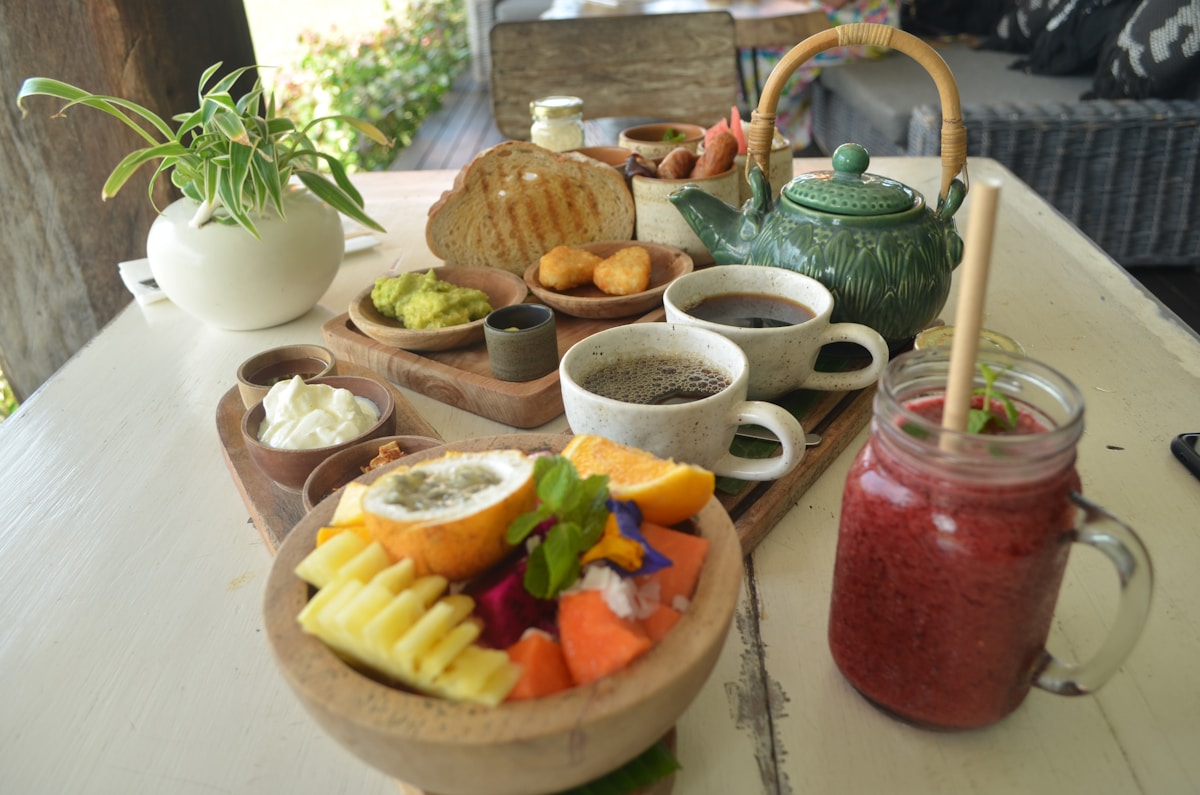
Bali has developed one of the strongest vegan and vegetarian food cultures in Southeast Asia - a combination of its wellness tourism industry, a large international resident population and a culinary tradition that already uses substantial amounts of tempeh, tofu, vegetables and coconut. Whether you want raw superfood bowls in Ubud, craft coffee with plant-based breakfasts in Canggu or simply navigate a warung menu without animal products, Bali is more navigable than almost anywhere else in the region.
Rural Indonesia outside Bali is a different story - veganism is rare and largely unknown in most of the archipelago. Plan ahead if travelling beyond Bali and Lombok’s main tourist areas.
The Key Pitfall: Shrimp Paste (Terasi)
The most common obstacle to plant-based eating in Indonesian cuisine is terasi - a fermented shrimp paste used as a base flavouring in sambals, vegetable dishes and rice preparations. A dish labelled “vegetarian” at many Indonesian restaurants will still contain terasi unless specifically requested otherwise.
The phrase to use: “tanpa terasi” (without shrimp paste). Say it when ordering any Indonesian dish you want free of seafood products. At tourist-facing restaurants in Ubud and Canggu, most staff understand the request immediately.
Naturally Vegan Indonesian Dishes
Several Indonesian staples are naturally plant-based or easily made so:
- Tempeh goreng (fried fermented soybean cake) - one of the great cheap eats of Indonesia; IDR 10,000–20,000 as a side
- Tahu goreng (fried tofu) - similar price and ubiquity
- Gado-gado - vegetable peanut sauce salad (ask for tanpa terasi and no anchovy in the sauce)
- Nasi campur with vegetable selections - specify which dishes you want; avoid the meat-based curries
- Pisang goreng (fried banana) and klepon (pandan rice cake) - common street sweets
- Fresh coconut, fruit juices and smoothie bowls are everywhere and genuinely excellent
Ubud: The Vegan Capital of Bali
Ubud’s spiritual and wellness identity has produced a dense concentration of plant-based restaurants that range from affordable cafés to proper raw food institutions.
Sayuri Healing Food (Jalan Sriwedari) - raw vegan cuisine using local organic ingredients; smoothie bowls, raw pies, cashew-based cheeses, cold-pressed juices. Approximately IDR 100,000–180,000 per dish (as of 2026). One of the better raw food restaurants in Southeast Asia; worth a visit regardless of dietary preference.
Alchemy (Jalan Penestanan Kelod) - a well-established raw superfood café with a salad bar system where you build bowls by weight. Acai bowls, raw chocolate desserts, turmeric lattes. Approximately IDR 100,000–180,000 per meal (as of 2026). The terrace setting and smoothie quality make this a Ubud institution.
Clear Café (Jalan Hanoman) - organic and vegan-friendly menu including Indonesian dishes and international options; good cocktail list; wifi. Approximately IDR 80,000–150,000 per dish (as of 2026). Particularly popular for breakfast and lunch.
Earth Café (Jalan Monkey Forest) - dedicated vegan menu with a mix of Indonesian and Western dishes; reasonable prices for Ubud at approximately IDR 60,000–130,000 (as of 2026); busy at peak times.
Moksa (slightly outside central Ubud, in Suweta) - permaculture garden restaurant; ingredients grown on-site; upscale plant-based tasting menus from approximately IDR 250,000–450,000 (as of 2026). Book ahead for dinner.
Canggu: Plant-Based in the Digital Nomad Hub
Canggu’s café culture has a strong plant-based contingent, particularly in the Batu Bolong and Berawa areas.
Sprout Café (Jalan Batu Mejan) - healthy bowls, fresh juices, good smoothies; popular breakfast spot; approximately IDR 70,000–130,000 (as of 2026).
Peloton Supershop (Jalan Batu Bolong) - a cycling-themed café with a solid vegan menu; breakfast bowls, smoothies and healthy wraps; wifi; approximately IDR 80,000–140,000 (as of 2026).
Café Organic (Jalan Pemelisan Agung) - popular digital nomad spot; plant-based bowls, salads, raw treats; approximately IDR 80,000–150,000 (as of 2026). Tends to be busy; seating limited.
The Avocado Factory (Batu Bolong area) - avocado-focused menu with strong vegan options; Instagram-friendly; approximately IDR 80,000–150,000.
Seminyak & Kuta
The southern resort strip is more mixed - international restaurants here accommodate vegetarians readily but dedicated vegan establishments are fewer. Most hotels offer vegetarian breakfast options; quality varies.
Kynd Community (Seminyak) - dedicated vegan café with visually elaborate plant-based dishes; rainbow bowls, vegan burgers; approximately IDR 90,000–160,000 (as of 2026).
Beyond Bali
Lombok: Senggigi and Kuta Lombok have vegetarian-friendly cafés catering to the surf and backpacker crowd. Options narrow significantly outside these areas. The Gili Islands (Trawangan, Air, Meno) have multiple restaurants with vegetarian options but dedicated vegan spots are limited.
Java (Yogyakarta, Jakarta): vegetarian food is manageable in tourist areas; vegan options require more research and explicit communication. Gudeg (young jackfruit cooked in coconut milk) in Yogyakarta is naturally plant-based at many stalls.
Rural Indonesia: terasi is in nearly everything; tempeh and tofu are the reliable fallbacks. Learn “saya tidak makan daging, ikan, atau telur” (I do not eat meat, fish or eggs) and “tanpa terasi” before leaving the tourist trail.
Practical Notes
- Bali’s tap water is not safe to drink; bottled water is cheap (approximately IDR 5,000 for 1.5L) and available everywhere; bring a reusable bottle with a filter for a lower-waste option.
- Warungs in tourist areas are accustomed to “no meat” requests; a basic warung away from the tourist strip may not have a meat-free option beyond rice and vegetables.
- Tempeh is the most sustainable, nutritious and flavourful plant protein in Indonesia - it deserves more attention than it typically receives outside the country where it was invented.
Bali food tours can be tailored for vegans and vegetarians - the island has one of Southeast Asia’s strongest plant-based dining scenes. Use HappyCow to find vegan and vegetarian restaurants beyond this list - an Indonesia eSIM keeps you connected for real-time searches across the islands.
Plan Your Visit
Ubud is the best base for plant-based eating in Bali - most of the dedicated vegan cafés and cooking schools are clustered within walking distance or a short ojek ride. Canggu works well for a café-heavy trip combining smoothie bowls with beach time. Search hotels in Bali on Booking.com to find accommodation in both areas.
More Bali and Indonesia Food Guides
- Ubud travel guide - the centre of Bali’s plant-based dining scene: cafés, cooking schools, and wellness restaurants
- Canggu travel guide - Bali’s other vegan-friendly hub: smoothie bowls, açaí, and café culture
- Balinese food guide - which traditional Balinese dishes are naturally vegetarian-friendly
- Vegan Jakarta guide - plant-based eating in Indonesia’s capital city
- Vegan Yogyakarta guide - naturally plant-based Javanese dishes and dedicated restaurants
- Warung guide Indonesia - how to order safely at local warungs across the archipelago