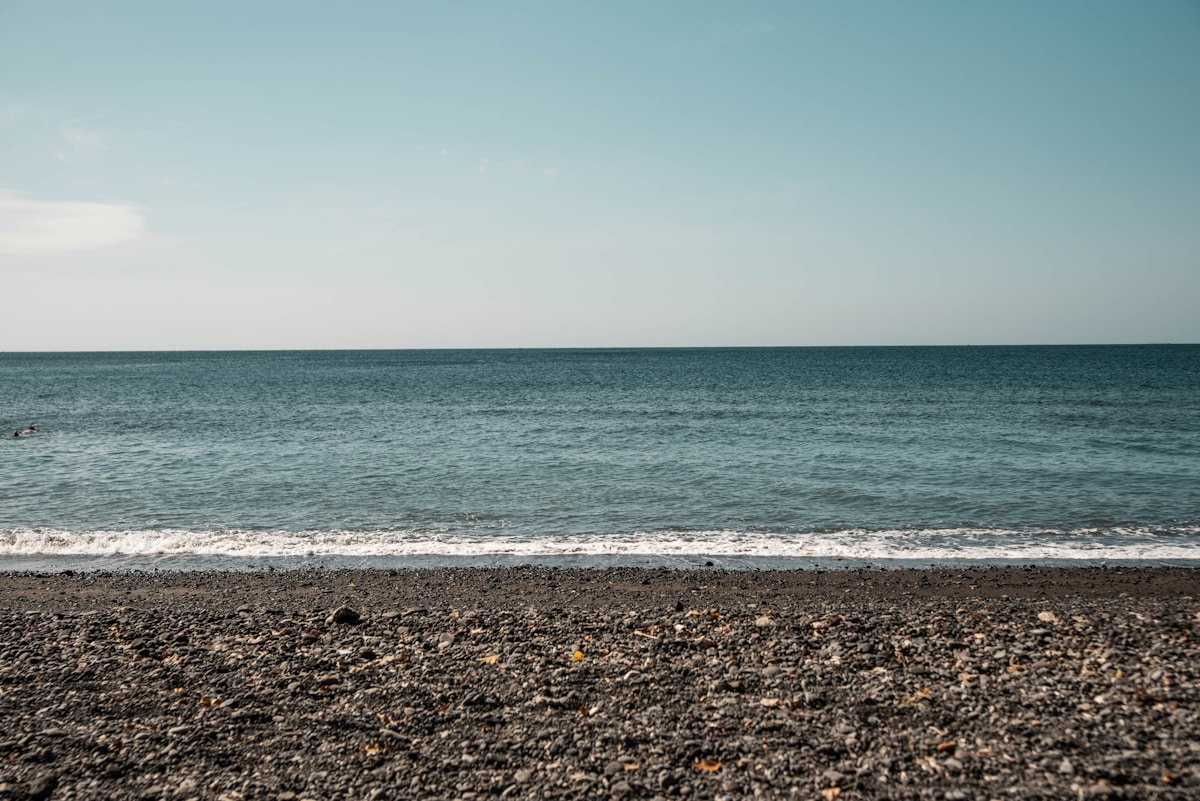
Amed is a string of fishing villages - Amed, Jemeluk, Bunutan, Lipah, Selang, and Aas - along the northeast coast of Bali, roughly three hours from Kuta and two hours from Ubud. The drive alone discourages casual visitors, and the resulting atmosphere is one of the most genuinely quiet stretches of coastline on the island. The black-sand beaches are not the white-powder variety found in the Gili Islands, but the underwater world immediately offshore is exceptional - and access to the USAT Liberty at Tulamben, 15km west, makes this the best base for serious underwater activities anywhere in Bali.
Snorkelling at Jemeluk Bay
Jemeluk Bay is the first major bay you reach coming from the west, and it has one of the most accessible snorkel sites in east Bali. The coral garden starts within 20 metres of the beach and descends to around 20 metres; the inner reef can be snorkelled in 2–3 metres of water, making it accessible to beginners.
Beach entry is free. Snorkel equipment (mask, fins, snorkel) rents for approximately IDR 50,000 per day as of 2026 from vendors along the beach road. No boat is needed for the inner reef; a guide for the outer reef costs around IDR 100,000–150,000 for a two-hour session.
The marine life at Jemeluk includes reef fish, sea turtles (regular sightings), and occasional reef sharks on the outer walls. Morning and late afternoon are the better times - midday light bleaches out colour and the water can get choppy.
Diving the USAT Liberty Wreck (Tulamben)
The USAT Liberty is an American cargo ship torpedoed by a Japanese submarine in 1942 and pushed onto Tulamben Beach - where it lies today - by the 1963 Gunung Agung eruption. It is one of the most-dived shipwrecks in Asia, and for good reason: the wreck starts in 5 metres of water and descends to 29 metres, is encrusted with hard and soft coral, and hosts an extraordinary density of marine life including bumphead parrotfish, jackfish schools, and macro life throughout the structure.
Dive operators in Amed run daily trips to Tulamben (15km west, approximately 30 minutes by car). Expect to pay USD 40–60 for two dives with full equipment rental as of 2026. A PADI Open Water certification is required; several operators in Amed run the full certification course for USD 300–350 if you want to qualify and dive in the same trip.
The wreck is dived year-round. The best visibility is April–November in the dry season. Early morning dives (departing before 8am) have fewer people in the water, which matters on a site that can get busy with visiting groups from Kuta.
Freediving
Amed has become one of the better-known freediving destinations in Southeast Asia, primarily because of the calm conditions in Jemeluk Bay and the concentration of experienced instructors who have settled here. AIDA freediving courses start from approximately USD 200 for the introductory level as of 2026. Several operators based along the beach road - including operators within walking distance of most guesthouses - run regular courses.
The attraction of Amed for freedivers over competing locations (like the Gili Islands) is the combination of variety - the coral garden, the deeper walls, and Tulamben within reach - with calmer water conditions than the open channel sites further west.
Search hotels in Amed on Booking.com
Sunrise Over Gunung Agung
Gunung Agung - Bali’s highest and most sacred volcano at 3,031 metres - dominates the landscape from Amed. The mountain sits roughly 20km to the west and on clear mornings is visible from the beach, its silhouette turning orange and pink in the first light before the clouds develop.
The sunrise view from Jemeluk Beach is free, takes no organisation, and is genuinely worth setting an alarm for. The mountain’s outline is unobstructed from most of the beach road. This is a better early morning option than making the full summit hike (which starts from Pura Besakih or Pura Pasar Agung), particularly for those staying in Amed primarily for the water activities.
Tenganan Bali Aga Village
Tenganan is approximately 20km southwest of Amed and is one of the original Bali Aga villages - communities that predate the Hindu migration from Java in the 14th century and maintain their own legal codes, architecture, and traditions distinct from the rest of Bali.
The village is an active community, not a museum, and residents continue to practise double-ikat weaving (geringsing cloth, one of only three double-ikat traditions in the world) and traditional crafts. The textile work is extraordinary - and expensive, as geringsing can take years to produce - but lower-priced examples of lontar leaf carving and ata basketwork are available.
Entry is by donation of IDR 20,000–50,000 as of 2026, paid at the gate. The village is open to visitors throughout the day; a two-hour visit covers the main compounds, the weaving workshops, and the traditional architecture of the inner village. A guide is not required but available; local residents will generally answer questions directly.
Salt Farming at Amed Beach
Traditional salt farming is practised along the black-sand beach at the main Amed village, where local farmers use wooden logs to filter salt water through black sand before evaporating it in clay pots. The process has been continuous for generations and is visible from the beach road, particularly in the early morning when farmers are actively working.
It requires no arrangement to observe - the salt works are on the public beach, and photographing is generally accepted. It’s one of the few places in Bali where a traditional agricultural practice is still operating at commercial scale in a location accessible without a tour.
Cooking Classes
Several warungs and guesthouses in Amed offer Balinese cooking classes starting from IDR 200,000 per person as of 2026. The typical format is a morning market visit followed by a three-hour cooking session producing four to six dishes - nasi goreng, satay, tempeh, and a dessert. Check with your accommodation; many guesthouses either run their own or have reliable referrals. It’s a practical activity for a rest day between dive trips.
Browse tours and activities in Amed - a local guide makes a big difference for navigating temples, wildlife sites, and the less-visited corners of the island. Travel insurance for Indonesia is strongly recommended before any trip - emergency medical cover is especially important given the distances between islands.
Book via GetYourGuide
Prices are approximate starting rates from GetYourGuide Amed listings as of August 2026 - confirm current rates before booking.
| Tour | Duration | From |
|---|---|---|
| Amed: USAT Liberty Wreck Dive & Jemeluk Reef Snorkelling | ~3 hours | ~$55 |
| Amed: AIDA Freediving Introduction Course | ~half day | ~$80 |
| East Bali: Tulamben Wreck Dive & Amed Snorkelling Day Trip | ~6 hours | ~$60 |
| Amed: Sunrise Snorkelling at Jemeluk Bay with Equipment | ~2 hours | ~$22 |
| East Bali: Amed, Tenganan Village & Tirta Gangga Full-Day Tour | ~8 hours | ~$45 |
[Browse all Amed tours on GetYourGuide →](/go/tours-amed/)
More Amed and East Bali Guides
- Amed travel guide - the full Amed overview: orientation, hotels, restaurants, and getting there from South Bali
- Bali diving guide - Amed’s USAT Liberty wreck and all of Bali’s best dive sites compared
- Learn to dive in Bali - PADI courses and the best dive schools in the Amed/Tulamben area
- Snorkelling in Indonesia - Amed’s snorkel reefs in context with Nusa Penida, Gili Islands, and beyond