Search hotels in Amed on Booking.com
Amed consistently outperforms the more heavily promoted snorkelling spots in south Bali. The combination of black-sand bays, reef that starts close to shore, calm conditions in Jemeluk and Lipah, and the shallow section of a genuine WWII wreck makes it legitimate competition for Nusa Penida - without the boat transfer, swell, and crowds.
Why Snorkel in Amed
The east coast geography works in snorkellers’ favour. The bays are sheltered, the reef gradient is gentle in places, and there’s no need to wade through breaking surf to enter the water. Unlike the southwest coast of Bali where the reef is mostly far offshore, Amed’s underwater terrain begins within metres of the beach. That means shorter surface swims, less exposure to wind chop, and more time actually on the reef.
The reef itself is in noticeably better condition than comparable sites nearer Kuta or Seminyak. Anchoring pressure is low - most craft here are small jukung outriggers rather than large dive boats. There’s also a conservation dynamic at play: Amed’s dive community has a strong interest in maintaining reef health, and mooring buoys are maintained at key sites.
Best Snorkelling Spots
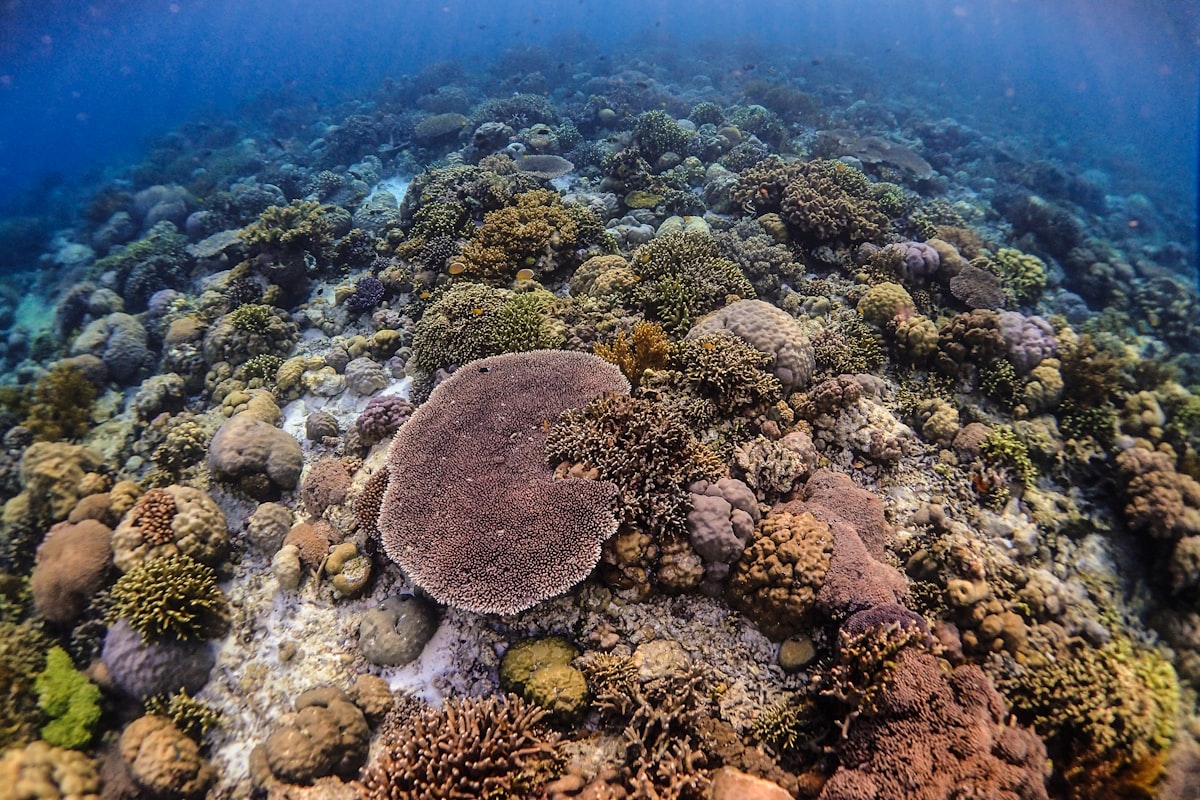
Jemeluk Bay The widest and most accessible snorkelling area in the Amed stretch. The inner reef shelf runs 1–4 metres deep for approximately 300 metres from the shore before dropping steeply. Hard coral table formations dominate the shallows - look for Christmas tree worms, cleaner shrimp stations, and schools of chromis. Entry is from the black sand beach; fins recommended to avoid standing on coral. Best in the morning before afternoon breeze builds surface chop.
Japanese Wreck (off Amed beach) The standout snorkelling site. A small Japanese military vessel from WWII rests in 10–29 metres with the shallowest structures - mast, forward winch, railing - reaching to within 3–5 metres of the surface. On a clear day, snorkellers with reasonable breath-hold capacity can dive down and look into the engine room hatch. The fish density around the wreck is exceptional: sergeant majors, grouper, lionfish in the coral on the hull edges, and often a large school of batfish hovering at mid-water. Entry from the beach is a 100–150 metre swim to the site.
Lipah Bay A quieter bay 3 kilometres east of Jemeluk. The reef here is slightly more gradual with a sandy seabed interspersed with coral bommies - good for spotting octopus, reef sharks resting on the sand (grey reef, harmless), and macro subjects. Less current than Jemeluk, making it suitable for less confident swimmers. The beach is narrower and there are fewer facilities (one small warung), but the reef is less visited.
The Pyramids (Amed to Lipah) Artificial reef structures placed in 15–25 metres of depth - technically a dive site, but the coral growth on the upper edges of some structures comes to 8–10 metres, within breath-hold range for experienced snorkellers. Best accessed by jukung (traditional outrigger) from the shore - about 10 minutes boat ride. Operators charge approximately IDR 150,000–200,000 for a jukung transfer and drop-off. The sandy areas around the pyramids also hold occasional resident blue-spotted stingrays.
The Buda Slope (northern Amed) Less commonly promoted but worth seeking out. A gradual slope running north of the main Amed bay with notably healthy staghorn coral in 2–8 metres. Fusilier schools, parrotfish, and sweetlips are common. Ask at local guesthouses for directions - it’s accessible on foot from the northern end of Amed main beach.
Gear Rental
All beach vendors and most guesthouses in Amed rent snorkelling equipment. Standard rates as of 2026:
- Mask and snorkel: IDR 30,000–50,000 per day
- Fins: IDR 20,000–30,000 per day
- Full set (mask, snorkel, fins): IDR 50,000–80,000 per day
- Wetsuit (optional): IDR 50,000–80,000 per day - not essential, water temperature is 26–29°C, but worthwhile for extended sessions
Quality varies - check that mask seals properly against your face and snorkel has a functioning dry valve before paying. Bringing your own mask from home significantly improves comfort and visibility (rental masks often have scratched lenses). Fins should fit snugly - loose fins cause blisters and reduce propulsion efficiency.
Snorkelling Tours and Guides
Several operators offer guided snorkelling trips combining 2–3 sites by jukung. Prices range from approximately IDR 200,000–400,000 per person including boat transfer and basic guide service. The jukung-based trips make sense for the Pyramids and northern Amed sites that require a short boat ride. You can also book Amed snorkelling tours online before arriving.
Dive operators including Eco-Dive Bali and Amed Dive Centre can arrange snorkelling guides as a side offering - a dive instructor or divemaster familiar with the sites. This is worthwhile if you specifically want to be shown macro subjects or to maximise time at the Japanese Wreck structure.
For families with mixed abilities (some diving, some snorkelling), most dive operators accommodate snorkellers on the same jukung provided the dive site is appropriate - the Japanese Wreck and Jemeluk Wall work well for this split.
Practical Tips
Arrive early: the Japanese Wreck and Jemeluk bay are quietest before 09:30. After 10:00, day-trippers from Sanur and south Bali start arriving on tour minibuses, and the beach gets crowded.
Wear reef-safe sunscreen: standard sunscreen containing oxybenzone and octinoxate is banned in the marine conservation area. Use mineral-based SPF (zinc oxide or titanium dioxide) or wear a full rash guard. Several small shops in Amed stock reef-safe options.
Watch for boat traffic: jukung outriggers use the same water as snorkellers near the Japanese Wreck. Stay visible - a brightly coloured tow float costs IDR 30,000 to rent and makes you visible to boat operators.
Don’t touch the reef: even brief contact breaks coral polyps. The same applies to the Japanese Wreck - the coral encrustation has taken 80+ years to develop. Stay neutrally buoyant or at the surface.
Currents: Jemeluk bay has negligible current in the inner section. The Japanese Wreck can have a mild cross-current - if you’re being swept, surface and signal your position to the beach. Don’t fight a current; drift with it and re-enter upshore.
Getting to Amed
Amed is approximately 2.5 hours by road from Kuta and 1.5 hours from Ubud. Private car transfers cost approximately IDR 500,000–700,000 from south Bali - book a private driver in advance for a confirmed pickup. Once in Amed, the snorkelling sites span a 14-kilometre stretch - rent a scooter (IDR 50,000–75,000/day) or use a local ojek driver to move between Jemeluk, Lipah, and the northern bays.
Most visitors stay in Amed 2–3 nights specifically to snorkel and dive. Accommodation ranges from basic beach bungalows (IDR 150,000–300,000/night) to mid-range boutique hotels (IDR 500,000–900,000/night). Booking 1–2 weeks ahead is advisable from June to August when capacity is limited.