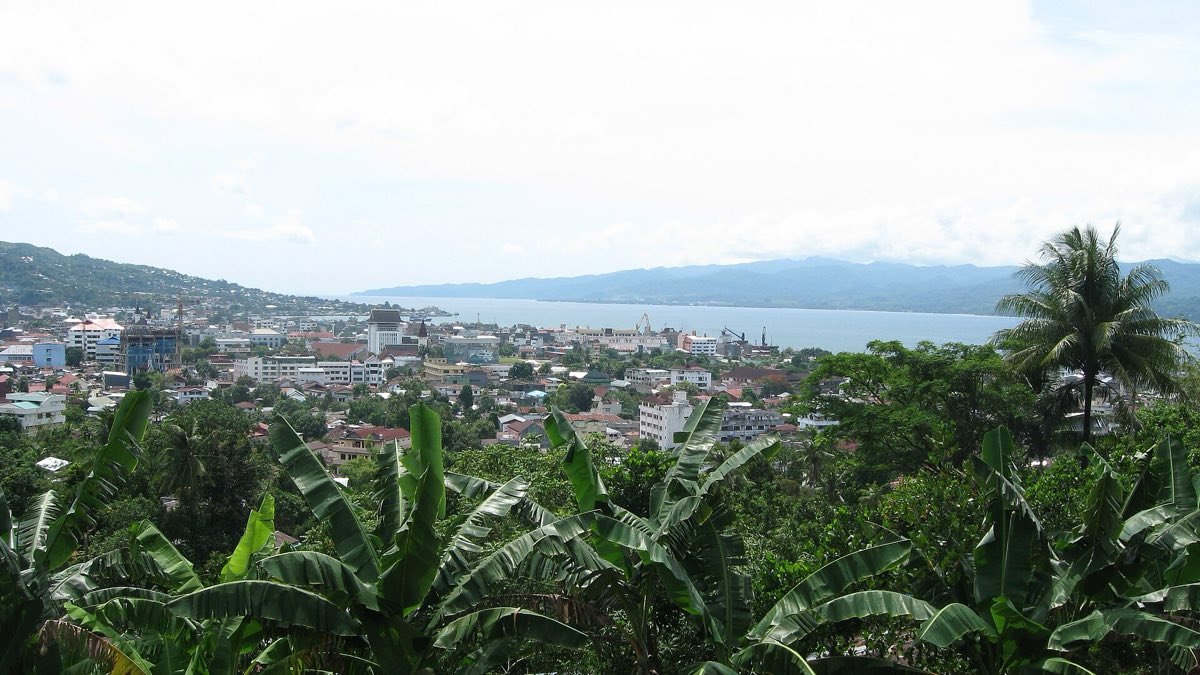
Ambon was the centre of the spice trade that shaped colonial Asia, and the evidence is still on the ground: Portuguese-built forts, Dutch town plans and clove trees on the hillsides. Below the surface, the bay is one of Asia’s best macro dive sites. Our Ambon travel guide covers the wider picture; this page lists what to do and what each stop costs.
1. Fort Victoria
Fort Victoria is the oldest Dutch fortification in Indonesia. The Portuguese built it in 1575 as Fort Nossa Senhora da Anunciada, and the Dutch took it in 1605. The exterior walls and some bastions survive in the middle of the modern city. Entry to the exterior is free; interior access is limited and varies, so ask at the gate. It takes under an hour and makes a good first stop for orientation.
2. Siwalima Museum
The Siwalima Museum covers Maluku’s natural and cultural history: traditional weapons, musical instruments, spice-trade artefacts and the story of the VOC in the archipelago. Entry costs approximately IDR 10,000 as of 2026, and it is open Tuesday to Sunday, 8am to 4pm. Allow 90 minutes.
3. Ambon War Cemetery
A Commonwealth War Graves Commission cemetery holds the graves of 2,052 Allied servicemen who died in Maluku during the Second World War, kept to the commission’s usual standard. A Japanese cemetery sits on the opposite hill. Both are free. The Ambon prisoner-of-war camp is referenced at the cemetery, and it is a sober place to visit, so dress and behave accordingly. The CWGC site{target=“_blank”} has background on the cemetery.
4. Pintu Kota and Natsepa Beach
Pintu Kota, the city gate, is a natural rock arch on the Leitimor peninsula about 20 km from the centre, framing a view of the Banda Sea. An ojek costs approximately IDR 30,000-50,000 return. Natsepa Beach lies about 18 km east, a white-sand strip with warung selling rujak, the spicy fruit salad of Maluku. Entry is approximately IDR 5,000 and weekends are busiest with domestic visitors. Combine both in a half-day by hiring a driver.
5. Dive Ambon Bay
The bay is known for macro life: Ambon scorpionfish, mimic octopus, frogfish, rhinopias and rare nudibranchs. Visibility is often 5 to 10 metres, which suits close-up photography. Open Banda Sea dives are different, with strong currents, 30 metres or more of visibility and hammerheads, whale sharks and mola mola. Our Indonesia diving guide puts these sites in context.
6. Eat Papeda and Grilled Fish
Papeda, a sago porridge, is served with a yellow fish soup flavoured with turmeric, lemongrass and lime. Seafood warung along the waterfront do grilled fish, clams and crab in the evenings at approximately IDR 60,000-120,000 per person as of 2026. Ask where locals are eating that week.
Suggested Plans
One day: Fort Victoria, the museum, then Pintu Kota and Natsepa Beach by driver. Two days: Add a bay dive and the war cemetery. Four days or more: Fly to Banda Neira (about 1 hour) for the nutmeg islands. Browse Ambon tours and day trips for guided options.
Getting There and Where to Stay
Pattimura Airport (AMQ) receives flights from Makassar in about 2 hours. It is about 35 km from the centre, and taxis cost approximately IDR 100,000-150,000. For rooms, see our where to stay in Ambon guide. For the history behind the forts, read the Indonesia colonial history page. See the official Indonesia tourism site{target=“_blank”} for general travel information.
Practical Tips
Ambon is hot and humid year-round, so carry water and sun protection for the fort and cemetery visits. Ojek and Grab-style taxis are the easiest transport, and a driver for a half-day costs far less than organising each leg separately. Dress modestly in villages outside the city, and respect Sunday church services in the Christian communities. If you plan to dive, book operators ahead in the Banda Sea season, and confirm flights to Banda Neira early because seats are limited.
Photo: Bas de Koning / Wikimedia Commons, public domain.