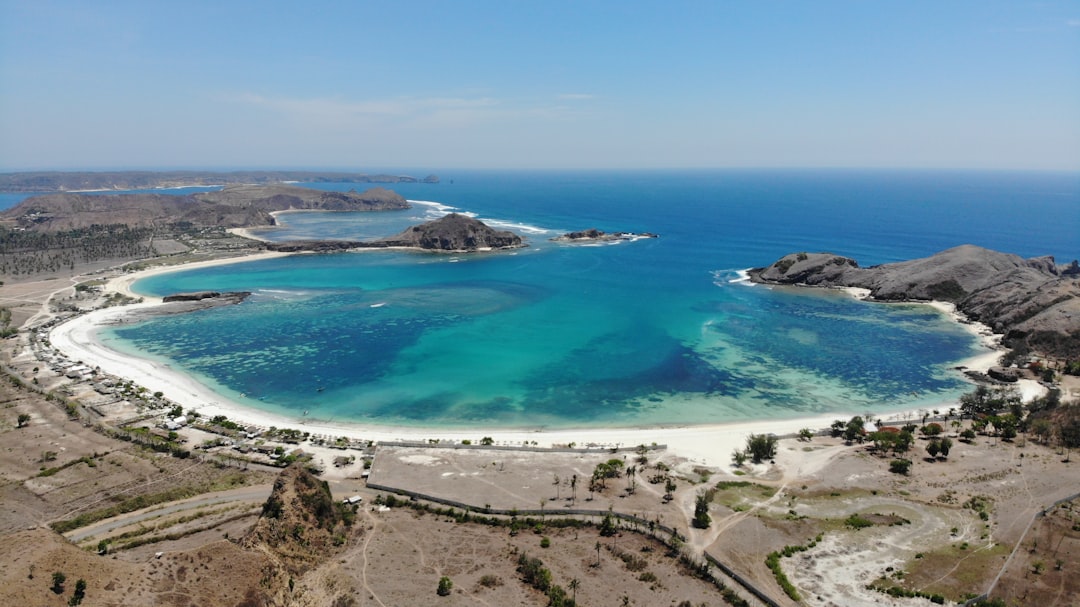
Lombok sits 35 km east of Bali across the Lombok Strait and receives a fraction of its neighbour’s tourist traffic - a fact that makes the island significantly more rewarding for travellers willing to make the crossing. The island’s tourism geography is anchored by three distinct draws: Mount Rinjani (a 3,726-metre active volcano with a crater lake, the second-highest peak in Indonesia), the Gili Islands (three small coral islands off the northwest coast with world-class snorkelling and no motorised vehicles), and south Lombok’s empty beaches around Kuta. GetYourGuide lists tours across all three areas, and unlike Bali, availability rarely sells out weeks in advance - though Rinjani permits can be limited in peak season.
Mount Rinjani Trekking Tours
Rinjani is the defining outdoor experience in eastern Indonesia and one of Southeast Asia’s great multi-day treks. The volcano rises to 3,726 metres above sea level; the standard trekking routes are the Senaru trail from the north village and the Sembalun trail from the eastern highlands. Both converge at the crater rim at approximately 2,600 metres, overlooking Segara Anak - a 6 km-wide crater lake at 2,000 metres elevation, with a younger volcano (Gunung Baru) rising from the lake’s surface.
Standard 2-day route: Most trekkers join the crater rim on day one (6–8 hours hiking from Senaru, or 5–7 hours from Sembalun), camp at the rim overnight, and descend on day two. The crater rim offers one of the more striking views in Indonesia - a 360-degree panorama of the crater, the lake, Lombok below, Bali and Agung on clear days to the west, and Sumbawa to the east.
3-day route (crater lake descent): The longer version adds a descent to the lake (3–4 hours down, 4–5 back up), hot spring bathing on the shore, and a second night’s camp at the lake. This is physically harder but considered the complete Rinjani experience by most trekkers.
Guided trek packages through GetYourGuide’s Rinjani listings typically include registered guide and porter, tent and sleeping bag, all meals, national park permit (IDR 150,000 per person per night), and transport from Mataram or Senaru. Prices from USD 120 per person for 2 days in a group of 4+, USD 180–220 for more private arrangements.
Physical requirements: Rinjani is a genuine mountain trek. The Senaru crater rim trail involves 2,000 metres of elevation gain over 9–10 km of rocky, steep trail. The Sembalun route is longer but more gradual. Trekkers should have comfortable experience hiking in boots over rough terrain for 6+ hours. The summit itself (the true peak, Puncak Rinjani at 3,726 m) requires an additional 4–5-hour pre-dawn push from the rim camp and is recommended only for experienced trekkers with good fitness.
Best season: Rinjani is open April–November. The park closes entirely December–March due to rain and trail erosion. July and August are the most crowded months; May, June, September, and October offer more trail space and generally reliable weather.
Gili Islands Snorkelling Day Trip
The three Gili Islands - Trawangan (the largest and most social), Meno (quietest, best for honeymooners), and Air (between the two in character) - sit off the northwest coast of Lombok and are accessible by public boat from Bangsal harbour (30 minutes) or by fast boat from Padang Bai Bali. A guided snorkelling day trip from Lombok covers two or three islands, visiting reefs with sea turtles, reef sharks, and dense fish populations.
The best snorkelling is off the northeast corner of Gili Trawangan (where currents bring nutrients and visibility is typically 15–25 metres) and the turtle statues off Gili Meno’s east coast (where green and hawksbill turtles are reliably present year-round). Most tours provide mask, snorkel, and fins; wetsuits are available on request.
Day trip packages from Lombok typically cost USD 25–40 per person including boat, guide, and equipment. Tours departing from Senggigi or Bangsal harbour take approximately 20–30 minutes to reach Gili Trawangan. From Kuta Lombok (south), a fast boat transfer via Padang Bai runs around 2 hours and is usually combined with overnight stays rather than day trips.
Fast boat note: The Lombok–Gili Trawangan fast boat (also connecting to Bali) is a convenient option if you’re island-hopping. Fast boat tickets from Bali via the Gili Islands to Lombok can be pre-booked through Klook.
Pink Beach and South Lombok Beaches Tour
Lombok’s south coast has the most dramatic beach geography in the Lesser Sunda Islands - a series of bays separated by volcanic headlands, with sand ranging from white to pale pink depending on the iron-rich composition of the reef sediment. Pink Beach (Pantai Tangsi) is approximately 90 km southeast of Mataram near Tanjung Ringgit; the sand’s distinctly rose-pink colour is most visible in direct midday sun.
A guided Pink Beach and south Lombok tour typically combines Pantai Tangsi with Tanjung Aan (the horseshoe-shaped bay near Kuta with turquoise water and powder sand) and one or two surf beaches near Kuta Lombok. Duration is a full day; prices from USD 30–50 per person on shared tours with transport from Mataram or Senggigi.
The road to Pink Beach is rough in sections - a 4x4 or experienced driver is advisable. Independent trips are possible on a scooter but the route is poorly signposted. Guided tours eliminate the navigation problem and include a stop at Bukit Merese hill above Tanjung Aan, which offers one of south Lombok’s better panoramic viewpoints.
Kuta Lombok tours are also listed on GetYourGuide for those based in the south - covering beach-hopping, surf lessons, and snorkelling in the more sheltered bays east of Kuta.
Sendang Gile and Tiu Kelep Waterfall Tour
The most accessible waterfalls on Lombok are Sendang Gile and Tiu Kelep, both located in Senaru village at the base of Mount Rinjani’s north flank. Sendang Gile is 10–15 minutes’ walk from the village entrance; Tiu Kelep is a further 20–30 minutes upstream on a trail that requires crossing the Kokok Putih river twice. Tiu Kelep drops approximately 45 metres into a natural pool - the mist and the pool itself are significant enough to make the extra walk worthwhile.
Guided waterfall tours from Mataram or Senggigi typically run as half-days combined with a Senaru village orientation - visiting a traditional Sasak village (see below), the national park information centre, and both waterfalls. Prices from USD 25–35 per person including transport and local guide.
Independent visits are possible: entrance to the waterfall trail is IDR 10,000 per person, and the trailhead is signposted from Senaru. The advantage of a guide is navigating the river crossings confidently and knowing when water levels from recent rain make Tiu Kelep unsafe to approach.
Sasak Village Cultural Tours
The Sasak people are Lombok’s indigenous community - ethnically and linguistically distinct from Bali’s Hindu Balinese majority, predominantly Muslim, and maintaining architectural and cultural traditions that predate significant tourism. Traditional Sasak villages (kampung) feature windowless mud-floored houses with rice storage barns, communal gathering areas, and the distinct bale longhouse structure.
The most-visited traditional village is Sade near Rembitan in south Lombok - small, well-maintained, and used to visitors. Guides here explain Sasak weaving traditions (the hand-woven ikat textiles are genuine craft, not tourist imitations - ask about the dyeing process), the rice storage system, and the village’s Muslim community structure. Entrance is by donation (IDR 20,000–50,000 is appropriate).
A more immersive option is a guided community tour through Senaru or Tetebatu (a village in the foothills of Rinjani’s south slope, known for its terraced rice fields and organic farming cooperative). These take half a day and focus on agricultural practices, traditional cooking, and the Wektu Telu religion - a syncretic blend of Islam and pre-Islamic animist traditions unique to a minority of Sasak communities.
Cultural tours from Mataram or Senggigi are typically offered as half-day combinations (village + waterfalls, or village + south coast beaches) priced from USD 25–40 per person.
Diving and Snorkelling Around Lombok
Lombok’s dive sites are less well-known than Bali’s but the quality is comparable and the crowds significantly thinner. The most accessible sites are off the Gili Islands (shallow turtle sites, walls, and the occasional drift dive at Shark Point off Trawangan). For serious divers, the channel between Gili Trawangan and the Lombok coast has strong currents and pelagic species sightings.
Further afield, the Belongas Channel on Lombok’s south coast is known for hammerhead shark aggregations and occasionally oceanic mantas - a specialist site requiring drift dive experience and best approached with a dedicated dive operator based in Kuta Lombok. Dive packages including 2–3 dives with equipment typically run USD 80–120 per person.
Snorkelling trips are widely available from Senggigi, Bangsal, and the Gili Islands themselves. GetYourGuide’s Lombok listings include several snorkelling day trips to the Gilis with free cancellation options.
Practical Notes for Lombok Tours
Getting to Lombok: Fast boats from Padang Bai (Bali) take 2–2.5 hours and dock at Bangsal or Teluk Nare for the Gilis, or Lembar harbour for the main island. Pelni ferries from Padangbai to Lembar are cheaper but take 4–5 hours. Domestic flights from Bali to Lombok International Airport (LOP) take 25 minutes and are often the fastest option from south Bali.
Best base for tours: Senggigi (northwest coast) suits Gili Islands access and north Lombok waterfalls and villages. Kuta Lombok (south coast) suits beach touring, surf, and the Pink Beach area. Sembalun (east highlands) is the starting point for Rinjani’s more gradual eastern approach. Most Rinjani trekkers stay one night in Senaru or Sembalun before the trail.
Rinjani timing: Book Rinjani treks at least 2–3 weeks ahead from June to September - permit numbers are capped and popular operators fill up. Outside peak season (May, October), week-ahead booking is usually sufficient.
Tours from Bali to Lombok are possible as day trips for the Gili Islands but inadequate for anything more. Lombok rewards a dedicated 4–5 day trip - long enough to do Rinjani, the Gilis, and south Lombok beaches without rushing any of them.