Bali has one of the highest concentrations of guided tour inventory anywhere in Southeast Asia. GetYourGuide alone lists over 2,000 bookable experiences on the island - sunrise treks, silver-smithing workshops, rice terrace cycling, dolphin watching, and everything in between. The challenge is not finding a tour; it is knowing which experiences are genuinely worth the time and price. Below is a focused breakdown of the tours that deliver consistently, with notes on what to expect, what to watch out for, and how to book.
Gunung Kawi Sunrise Temple Tour
Gunung Kawi is the oldest royal mortuary complex in Bali - ten shrines carved directly into a cliff face above the Pakerisan River, dating to the 11th century. It sits about 35 km north of Ubud, and most visitors arrive by 7–8am after the heat builds. On a guided sunrise tour you arrive before 6am, when the valley mist is still sitting low over the terraced rice paddies and the rock-cut shrines are lit in early gold light. Crowds are thin.
Most tours run as part of a wider East or North Bali loop and combine Gunung Kawi with Tirta Empul (a sacred Hindu spring temple where devotees bathe in purification fountains), a coffee plantation stop, and Kintamani volcano viewpoint. Tour duration is typically 8–10 hours. Entrance to Gunung Kawi is IDR 50,000 (approximately USD 3) per person; the tour price usually covers this along with the sarong hire required to enter. Expect to pay from USD 35 per person for a shared tour, or USD 60–80 for a private vehicle.
What to look for: Confirm the tour itinerary specifies Gunung Kawi specifically - some Ubud day tours list “temples” vaguely and visit Pura Tirta Empul alone. The descent into the Gunung Kawi gorge is 350 steep steps; genuinely unsuitable for knee problems.
Ubud Crafts, Rice Terraces and Cultural Half-Day
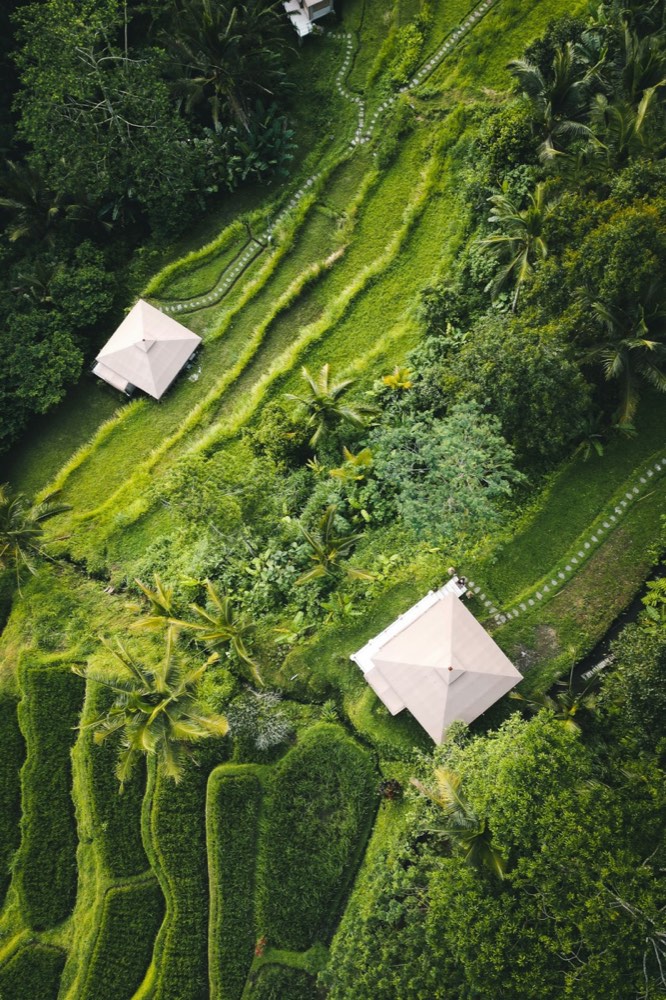
Ubud is Bali’s cultural centre - a town of gallery streets, woodcarving workshops, and traditional mask-makers. A half-day Ubud cultural tour typically covers Tegallalang Rice Terraces (the photogenic terraced fields 10 km north of town), a silver or batik workshop, Ubud Art Market, and the Monkey Forest Sanctuary. Duration is 4–5 hours, prices from USD 20–30 per person on shared tours, USD 50+ private.
The Tegallalang terraces are busy between 9am and 11am when tour buses arrive - if your guide offers to start at 7:30am, take it. The morning light is better and the swing operators on the ridge aren’t yet in full tourist-mode.
For a deeper cultural day, look for tours that include an Ubud cooking class in the afternoon. Some operators run morning market visits where you select fresh ingredients, then cook a 5–7 dish Balinese meal (satay lilit, lawar, nasi goreng, black rice pudding) before eating lunch together. These run approximately 5 hours and cost USD 35–55 per person - one of the better-value food experiences in Bali.
Note on craft workshops: Batik and silver workshops on tour circuits often include aggressive sales pitches. Good operators let you leave without purchasing. If a tour itinerary lists “artisan workshops” without naming a specific school or studio, treat it with mild scepticism.
Mount Batur Volcano Sunrise Trek
Mount Batur (Gunung Batur) is an active stratovolcano in the Kintamani highlands of northeast Bali, rising to 1,717 metres. The sunrise trek is Bali’s highest-demand guided experience - it sells out weeks in advance during July and August. Guides are mandatory; you cannot climb independently (the local guide association enforces this at the trailhead).
Departure from Ubud or Kuta is typically between 1:30am and 2:30am. The hike takes 2–2.5 hours on the standard route. At the summit, guides bring eggs wrapped in foil to cook in the volcanic vents. Summit temperature drops to 10–15°C before dawn - bring a light fleece regardless of how hot it is in Seminyak. Descent takes about 90 minutes; most groups are back at the trailhead by 8:30am for breakfast in Kintamani.
Prices range from USD 35–45 for a shared group trek with guide, transport from south Bali, and breakfast. Private treks with a personal guide run USD 60–80. The guide fee alone (if you arrange your own transport to the base) is approximately USD 25. Tips are expected - USD 5–10 per person is customary for a good guide.
Important: Batur is still volcanically active. MAGMA Indonesia (the national volcanology agency) monitors alert levels - Level 1 (Normal) is fine for trekking, Level 2 means guide discretion, Level 3 means no summit access. Reputable operators monitor this and will reschedule or refund if the volcano is elevated. Verify the operator’s cancellation policy before booking.
Nusa Penida Day Trip
Nusa Penida is the largest of Bali’s three southeast islands - a 200 km² plateau rising 200+ metres from the sea, with near-vertical limestone cliffs dropping to turquoise water. It sits about 45 minutes south of Sanur by fast boat. Instagram knows it best for Kelingking Beach (the T-rex-shaped cliff), but the island has genuine diving, manta ray snorkelling at Manta Point, and the bizarre angular rock formation of Broken Beach.
A standard day trip departs Sanur at 7am, covers Kelingking viewpoint, Angel’s Billabong (a natural rock pool), Broken Beach, and Crystal Bay (for snorkelling), and returns by 5pm. Tour prices from USD 40–60 per person including fast boat, private driver on the island, and entrance fees. Snorkelling trips are usually sold separately or as add-ons.
What to watch: Kelingking Beach viewpoint itself is free and spectacular - the descent to the beach is a 45-minute scramble down a near-vertical rope trail, and the climb back in midday heat is brutal. Most tour groups stay at the viewpoint. If you want to reach the sand, tell your guide in advance so your schedule allows 2 hours at the site.
The roads on Nusa Penida are substantially worse than Bali - narrow, steep, and pot-holed. Self-drive scooters are available but crash rates are high. A private driver through a guided tour is significantly safer.
Balinese Cooking Classes
Bali’s cooking class market is mature and well-reviewed. The best experiences start with a dawn market visit in Ubud or Gianyar, where you select vegetables, spices, and proteins with the instructor. The cooking session itself runs 3–4 hours - grinding spice pastes from scratch (shrimp paste, galangal, fresh turmeric, lemongrass), then preparing 5–7 dishes before a communal lunch.
Top-rated schools include Payuk Bali in Ubud, which runs small groups of 6–8 people and issues recipe cards to take home. Casa Luna cooking school (in Ubud’s Honeymoon Guesthouse complex) has been running since 1992 and focuses specifically on traditional Balinese royal cuisine. Both run approximately USD 45–65 per person.
For budget travellers, village-based classes in Penestanan or Nyuh Kuning (10–15 minutes from central Ubud) run similar formats for USD 25–35 and draw smaller groups. The trade-off is less polished facilities, but the cooking is often more authentic.
Booking note: Classes that start with a market visit must depart by 7:30am - markets wind down by 10am. If a class claims to visit the market but departs at 9am, check what you’re actually visiting.
Practical Tips for Booking Bali Tours
Shared vs private: Shared minibus tours are fine for point-to-point routes (Batur, Nusa Penida boat transfer). For flexible Ubud cultural days, a private driver-guide gives you control over timing and lets you skip stops that don’t interest you. Private half-days start from USD 30 in low season.
Hotel pickup: Most Bali tour operators offer hotel pickup from south Bali (Kuta, Seminyak, Canggu, Nusa Dua). Pickup from Ubud is sometimes available for an added fee. Confirm before booking - some “Bali tours” leaving at 2am for Batur still assume you are 90 minutes south in Kuta.
Free cancellation: Check the cancellation window carefully on volcano treks - weather-dependent experiences sometimes require 24-hour notice to refund. Most reputable operators offer free cancellation up to 48 hours before departure.
Tipping: Balinese guides work on low base wages and rely on tips. USD 5–10 per person per full-day tour is standard. Cooking class instructors typically receive IDR 50,000–100,000 per person.
Bali’s tour market is large enough that price comparison across operators is worth 10 minutes of effort. For the same Batur trek, prices can vary by 40% for an identical route. GetYourGuide and Klook both list cancellation terms clearly and have buyer protection if a tour doesn’t operate. Booking through local agencies is sometimes cheaper but review track records carefully for last-minute cancellations.