Yogyakarta is the cultural capital of Java - the city that kept Javanese court traditions alive through Dutch colonialism, Japanese occupation, and Indonesian independence. A well-planned cultural day tour here covers three things the city does better than anywhere else in the country: royal Javanese architecture at the Kraton, living batik craftsmanship in the city’s workshop district, and Hindu temple art on a scale that rivals Angkor Wat at the Prambanan compound. Here’s how to book it and what to expect.
What a Yogyakarta Cultural Day Tour Covers
A standard full-day cultural tour from Yogyakarta typically includes:
- Kraton (Sultan’s Palace) - the living royal court of the Yogyakarta Sultanate
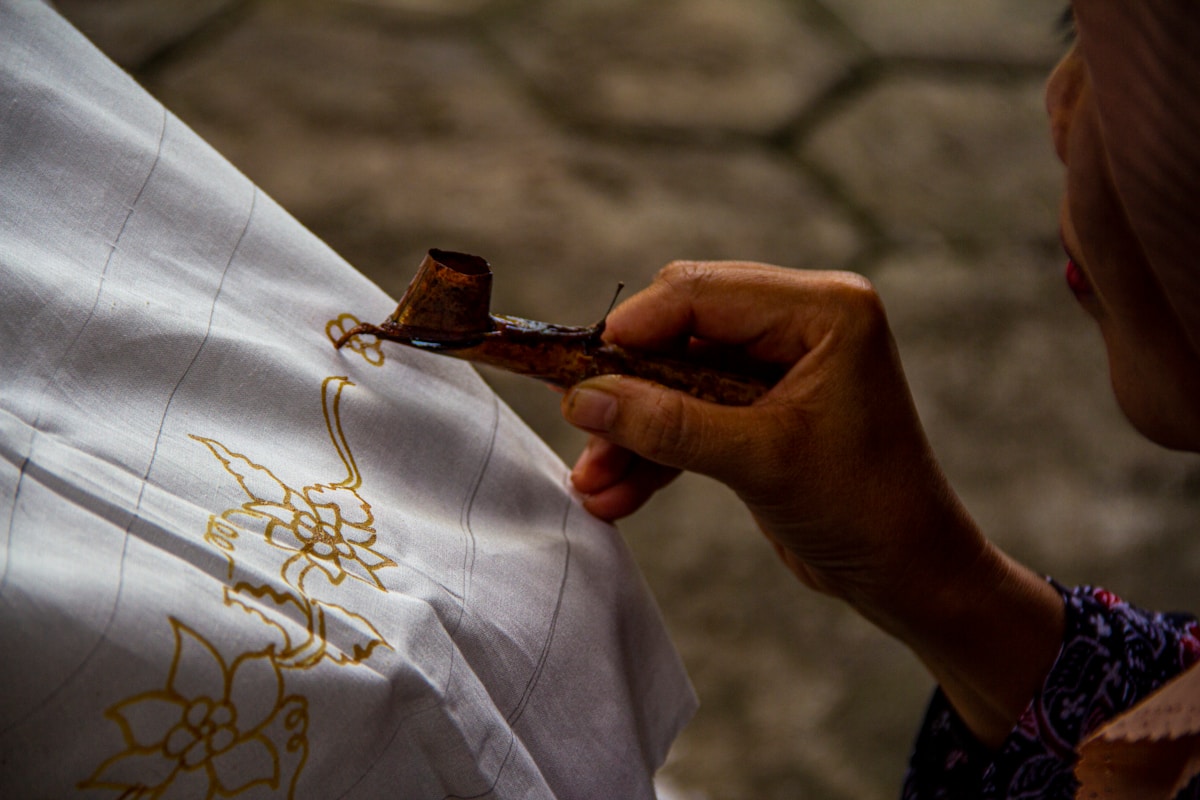
- Batik workshop - hands-on instruction in traditional wax-resist dyeing
- Prambanan temple complex - 9th-century Hindu compound with 240 temples
- Optional additions: Kotagede silver workshop, Tamansari water castle, Affandi Museum
Most operators cover items 1–3 with transit included. Lunch is usually at a warung or restaurant of the guide’s recommendation.
Named Operators and Current Prices
GoIndonesia Tours (Yogyakarta)
GoIndonesia runs private and small-group cultural day tours from central Yogyakarta. Their standard “Yogyakarta Cultural” package covers Kraton, a batik workshop in the Taman Sari district, and Prambanan, with a licensed English-speaking guide and private car.
Price: Approximately IDR 750,000 (USD 45) per person for a private 2-person tour; price per person drops to around IDR 500,000 (USD 30) for groups of 4+
What’s included: Private vehicle and fuel, English-speaking guide, Kraton entrance fee
What’s not included: Prambanan entrance (IDR 350,000 / USD 21 per person as of 2026), batik workshop fee (IDR 75,000–150,000 depending on workshop), lunch
Duration: 8–9 hours
Yogyakarta Cultural Tour (GetYourGuide listings)
Multiple operators list half-day and full-day Yogyakarta cultural tours on GetYourGuide with verified reviews. Full-day options average USD 35–55 per person depending on group size and inclusions. Check whether Prambanan entrance is included (it often isn’t at the lower price points).
Best for: Solo travellers and couples who want to join a small group without organising everything independently
Private guides booked through hotels
Most mid-range and above hotels in Yogyakarta can arrange a private guide with vehicle for the day. Rates are typically IDR 600,000–800,000 (USD 36–48) for a private car plus guide, excluding entrance fees. This is often comparable to tour agency pricing and gives you maximum flexibility on timing.
Negotiation tip: Agree the full itinerary and all inclusions/exclusions in writing before you start. Some guides earn commission from bringing visitors to commercial batik “showrooms” rather than genuine workshops - specify that you want a small workshop, not a sales floor.
Self-guided option
Yogyakarta’s main cultural sites are navigable independently. The Kraton, Tamansari, and the batik workshop district (Jalan Tirtodipuran) are all within 15 minutes’ walk of each other in central Yogyakarta. For Prambanan, Trans Jogja buses (Route 1A from Malioboro, IDR 3,500 / less than USD 0.25 per trip) reach the temple compound in about 45 minutes. A full self-guided day will cost roughly IDR 500,000–600,000 (USD 30–36) including entrance fees and local transport - less than a guided tour, but without explanation or transport coordination.
Stop-by-Stop: What You’ll See
Kraton Yogyakarta (Sultan’s Palace)
The Kraton is not a historical monument - it’s a living royal compound where the current Sultan (Sri Sultan Hamengkubuwono X, who is also the Governor of Yogyakarta province) and members of the royal family still reside. The public areas include the main ceremonial pavilion (Bangsal Kencana), museum halls displaying royal regalia, gamelan instruments and ceremonial carriages, and the outer court where court attendants still wear traditional Javanese dress.
Entrance fee: IDR 15,000 (approximately USD 1) per person - one of the best-value cultural sites in Indonesia
Photography fee: IDR 1,000 extra
Opening hours: Saturday–Thursday 8 AM–2 PM; Friday 8 AM–11:30 AM
Time to allow: 1.5–2 hours
Guided tour at Kraton: Optional English-speaking guides available inside the complex (tip: IDR 50,000–100,000)
What to look for: The golden pavilion (Bangsal Kencana) where royal ceremonies still take place; the museum hall with Dutch-era portraits of previous sultans alongside Japanese imperial gifts from the occupation period; the gamelan instruments that are considered sacred and played only during specific court ceremonies.
Batik Workshop (Taman Sari / Jalan Tirtodipuran Area)
Yogyakarta is the batik capital of Java. The city’s workshops fall into two types: genuine artisan workshops where you’ll see and try the traditional canting (hand-drawn wax application) technique, and commercial showrooms that offer a brief “demonstration” before steering you towards expensive purchases.
We recommend visiting the small workshops along Jalan Tirtodipuran or in the lanes off Taman Sari. These are typically family-run, charge an honest workshop fee (IDR 75,000–200,000 / USD 5–12 depending on complexity), and let you keep the fabric you made.
What you’ll learn:
- The difference between batik tulis (hand-drawn with canting tool - the traditional method, taking weeks per piece) and batik cap (stamp method, faster, used for commercial production)
- How wax resists the dye and creates the characteristic layered patterns
- How to draw basic traditional motifs using the canting tool
- The significance of specific patterns - some traditional Javanese batik patterns are ceremonially restricted and cannot be worn by non-royals
Duration: 1–1.5 hours for a basic hands-on session
Prambanan Temple Complex
Prambanan is the largest Hindu temple compound in Southeast Asia and a UNESCO World Heritage Site since 1991. Built in the 9th century during the Sanjaya dynasty, the complex originally contained 240 temples. A 10th-century earthquake destroyed most of the smaller shrines, but the three main temples - dedicated to Brahma, Vishnu, and Shiva (the central and tallest at 47 metres) - have been substantially restored.
Entrance fee: IDR 350,000 (approximately USD 21) per foreign visitor as of 2026
Opening hours: Daily 6 AM–5 PM
Time to allow: 2–3 hours for the main compound; add 45 minutes if visiting the smaller Sewu and Lumbung compounds within the archaeological park
What to look for: The Ramayana bas-relief panels that wrap around the inner gallery of the Shiva temple - over 240 panels depicting the full Ramayana epic in stone. The dancing Shiva relief on the south side of the inner chamber is considered one of the finest examples of classical Javanese stone carving.
Ramayana Ballet: On full-moon evenings from May through October, the outdoor Prambanan Theatre hosts the Ramayana Ballet - Javanese classical dance performed against a backdrop of floodlit temple towers. Tickets from IDR 250,000 (USD 15) for the standard section; premium seating around IDR 450,000 (USD 27). Book ahead through your hotel or the official Prambanan website.
Optional Add-Ons Worth Considering
Kotagede Silver Workshop
Kotagede, 6 km southeast of central Yogyakarta, is the historic royal neighbourhood and the centre of Yogyakarta’s silver craft industry. Small workshops - many family-run for 3–4 generations - produce filigree jewellery and tableware. You can watch craftspeople at work and purchase pieces at source prices (significantly cheaper than hotel gift shops). Budget 45 minutes; no entrance fee.
Tamansari Water Castle
A 200-metre walk from the Kraton, Tamansari was built in the 1750s as a royal pleasure garden with bathing pools, underground tunnels, and a meditation tower. The complex was partially damaged by the 1867 earthquake and partially converted into residential kampung housing. Much of it remains inhabited - wandering through the residential section gives a street-level view of daily life in the oldest part of the city. Entrance IDR 15,000 (USD 1).
Affandi Museum
For art-focused visitors, the Affandi Museum on Jalan Solo is the home and studio of Indonesia’s most celebrated expressionist painter, who lived there until his death in 1990. The collection of around 300 works is displayed in a series of distinctive banana-leaf-shaped roofed pavilions he designed himself. Entrance approximately IDR 50,000 (USD 3).
Getting Around Yogyakarta
Within the city centre, becak (cycle rickshaws) and andong (horse-drawn carriages) operate in the Malioboro–Kraton area. For longer distances and Prambanan, a private car is the most practical option (arrange through your hotel or tour operator). The Trans Jogja bus system covers most major sites cheaply but requires patience with route changes.
Best Season for Yogyakarta Cultural Tours
Yogyakarta is a year-round destination. The dry season (May–October) is more comfortable for outdoor temple visits, particularly at Prambanan. Rainy season (November–April) brings afternoon downpours but the city stays fully functional and sites are less crowded. The Prambanan Ballet only runs during dry season (May–October).
The busiest periods - school holidays, Eid, and the Christmas–New Year window - bring significant crowds to both the Kraton and Prambanan. Plan to arrive at Prambanan before 8 AM or after 3 PM to avoid the worst of it.