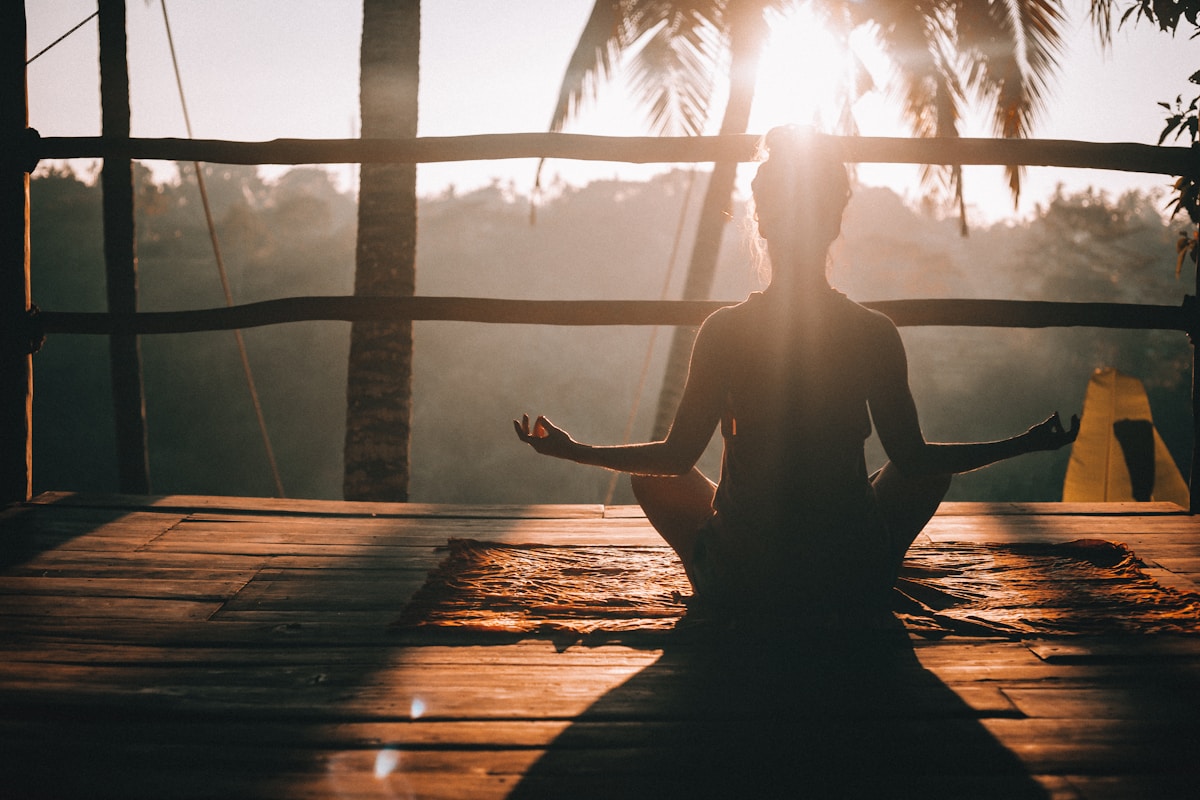
Bali has built one of the most developed yoga and wellness ecosystems in Asia over the past two decades. The combination of a genuinely spiritual Balinese Hindu culture, lush jungle settings, affordable pricing, and a critical mass of international practitioners has made it a reference destination for retreats, Teacher Training Courses, and serious daily practice. Here is what to expect and where to go.
Why Bali Works for Yoga
The practical reasons are straightforward: high-quality studios are plentiful, accommodation is affordable compared to Europe or North America, and the food culture (fresh juices, plant-heavy menus, clean cafes) supports the lifestyle around practice. The deeper reason is harder to quantify - Bali’s Hindu ceremonial culture, with its temple offerings, gamelan music, and daily rituals, creates an atmosphere that many practitioners find genuinely conducive to mindfulness work.
Yoga is not imported here as pure Western wellness commodity - the Balinese have their own tradition of physical and spiritual practice, and the two cultures have overlapped in ways that feel less superficial than resort yoga in many other destinations.
Ubud: The Established Centre
Ubud is where Bali’s international wellness reputation was built, and it remains the heart of the retreat scene. The jungle setting - rice terraces, river gorges, tropical forest - provides backdrops for outdoor shalas (yoga platforms) that are hard to match anywhere in the world.
The Yoga Barn
The largest and most internationally recognised yoga centre in Bali. The Yoga Barn runs a full daily schedule across multiple discipline styles - Hatha, Vinyasa, Yin, Kundalini, Ecstatic Dance, and more - in open-air bamboo pavilions surrounded by garden grounds.
Drop-in class: Approximately IDR 150,000–200,000 | Class passes: IDR 600,000–800,000 for 5 classes as of 2026 Multi-day retreat programmes: USD 800–2,000 depending on accommodation type and duration
The campus includes accommodation, a vegan restaurant (Garden Kafe), a holistic spa, and treatment rooms. It functions as a complete retreat destination in itself and runs regular visiting teacher programmes with international names.
Location: Jl Hanoman, Padangtegal, Ubud | Walk from central Ubud or short taxi
Radiantly Alive
A respected mid-sized studio with a strong teaching team and a more intimate atmosphere than the Yoga Barn. Known particularly for its Vinyasa and Forrest Yoga offerings. Good for travellers who want serious practice without the scene of the larger centres.
Drop-in: Approximately IDR 170,000–220,000 | 10-class pass: IDR 1,200,000 as of 2026 Location: Jl Jembawan, central Ubud
Bali Spirit Festival (Annual, April)
The largest yoga, dance, and music festival in Asia - held annually in Ubud in April, it draws approximately 5,000 attendees from over 40 countries. Week-long pass holders get access to hundreds of classes, workshops, performances, and speakers. Advance tickets are essential.
Tickets: USD 350–500 for a full week pass (check BaliSpiritFestival.com for current pricing)
Fivelements Retreat
A luxury eco-retreat on the Ayung River outside Ubud, built around a Balinese healing philosophy called Sakti Healing Arts. Accommodation is in open-air riverside pavilions. Programmes integrate yoga, raw food, energy work, and traditional Balinese healing ceremonies.
Cost: USD 200–500 per night all-inclusive depending on programme and room type as of 2026 Best for: Couples retreats, post-burnout recovery, travellers with a higher wellness budget
Canggu: Surf Town with Serious Studios
Canggu’s yoga scene emerged from the overlap of the surf community and digital nomad influx over the past decade. The studios here are generally more modern in facility, less retreat-oriented, and better integrated with a social lifestyle - coffee, coworking, beach, evening classes.
The Practice Bali
Consistently rated as one of Canggu’s best studios for serious practitioners. Strong Ashtanga, Mysore, and Vinyasa programme. The airy open space and consistent teachers have built a loyal regular community.
Drop-in: Approximately IDR 175,000–200,000 | Monthly unlimited: IDR 1,800,000–2,200,000 as of 2026 Location: Jl Pantai Berawa, Canggu
Desa Seni
A resort-meets-wellness village in Canggu with significant grounds, traditional Javanese wooden cottages, an organic garden restaurant, and a strong yoga programme. Particularly good for week-long residential retreats without the intensity of purely practice-focused centres.
Retreat packages: USD 900–2,500 for 5–7 nights depending on programme and accommodation as of 2026
The Layanan Studio
A newer addition to the Canggu scene, popular with digital nomads for its evening and early morning classes that fit around working hours. Good facilities, reliable air-conditioning for those who prefer a cooler practice environment.
Teacher Training Courses (TTCs)
Bali is one of the most popular destinations globally for 200-hour and 300-hour Yoga Teacher Training Courses accredited by Yoga Alliance. The lower cost of living means training programmes are significantly less expensive than equivalent courses in the US, UK, or Australia.
Typical TTC structure
- Duration: 25–30 days for a 200-hour programme
- Cost: USD 2,500–4,000 all-inclusive (accommodation, meals, training)
- Location: Most are based in Ubud or Canggu
Schools to research
Zuna Yoga (Ubud) - one of the more academically structured programmes, with detailed anatomy and teaching methodology modules. Radiantly Alive (Ubud) - runs intensive TTCs with strong lineage in specific traditions. Alchemy of Yoga (Canggu) - popular with the surf-wellness crossover crowd, more Vinyasa-focused.
All accredited programmes require Yoga Alliance registration - verify before booking.
Beyond Yoga: Wider Wellness
Balinese Healing and Melukat
Traditional Balinese water purification ceremonies (melukat) are available at temple sites around Ubud, particularly at Tirta Empul near Tampaksiring. Entry to the temple is approximately IDR 50,000; the ceremony is a genuine ritual, not a tourist performance.
Traditional healers (balians) remain an active part of Balinese culture. Some retreat centres facilitate introductions to reputable practitioners.
Ayurvedic and Holistic Treatments
A number of centres in Ubud offer Ayurvedic consultations, marma massage, and panchakarma programmes. Compared to the established Ayurvedic centres in India, quality varies - research reviews carefully.
Practical Logistics
When to book: Reputable retreat programmes fill quickly during July–August and December–January. Book 6–8 weeks ahead for high season stays. Many centres allow drop-in without advance booking outside peak periods.
Transport: Ubud is approximately 1 hour from Ngurah Rai Airport in Bali. Canggu is 30–45 minutes depending on traffic. Use Grab or Gojek for affordable point-to-point transfers, or negotiate a day-hire driver (approximately IDR 400,000–600,000 per day as of 2026).
What to bring: A good quality travel yoga mat is worth bringing if you practise regularly - rental mats are available at most studios for IDR 15,000–25,000 but vary in condition. Light, breathable clothing handles the humidity better than synthetic sportswear.
Explore guided yoga sessions and wellness experiences in Bali via the activity search below - operators range from single classes to multi-day retreat packages with accommodation included.
Browse Bali tours and experiences - activities can be booked last-minute in most cases, though peak season (July–August) fills up quickly. For yoga retreats specifically, search yoga and wellness programmes in Bali to compare multi-day retreats with accommodation included.
See Also
- Ubud travel guide - Ubud is Bali’s wellness capital: the best studios and retreat centres are based here
- Things to do in Ubud - healing ceremonies, cooking classes, and Ubud’s other wellness experiences
- Where to stay in Ubud - retreat-friendly accommodation in Ubud from villas to jungle resorts
- Canggu digital nomad guide - yoga and wellness in Canggu’s surf-and-wellness neighbourhood