Search hotels in Sanur on Booking.com
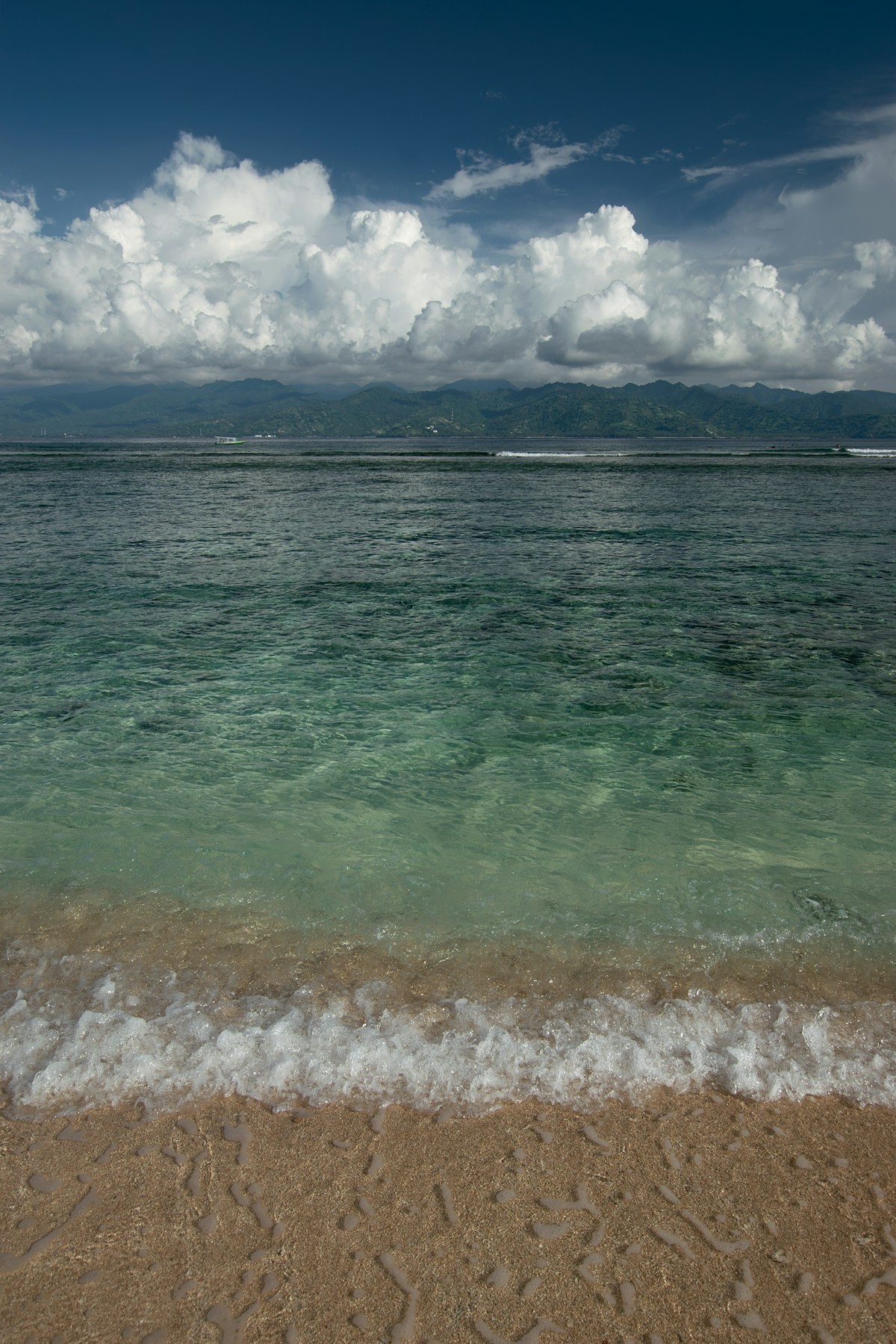
Sanur is the quietest of Bali’s main beach towns and, for certain travellers, the best. The beach faces east, which means the light is best at sunrise rather than sunset, and the offshore reef creates a lagoon that is safe for swimming and calm enough for children year-round. There’s no surf break, no strip of nightclubs, and no competition with Kuta for the party market. What Sanur has instead is a long promenade, a good museum, an active boat harbour, and a pace that makes it useful as a base for day trips to the nearby islands.
The Beachfront Boardwalk
The 5km concrete promenade that runs along the waterfront from Matahari Beach in the south to the Inna Grand Bali Beach Hotel in the north is one of the better free walks in southern Bali. The path passes warungs, coconut vendors, jukung fishing boat workshops, and small shrines. Sunrise on this walk is genuinely excellent - the water in the lagoon is often glass-calm before the morning breeze comes up, the light is pink and direct, and the volcanic outline of Gunung Agung is visible to the north on clear mornings.
The walk takes around 90 minutes at a relaxed pace end-to-end. Bicycles are available for rent along the promenade for approximately IDR 30,000–50,000 per hour as of 2026 if you prefer to cover the distance faster.
Museum Le Mayeur
Museum Le Mayeur on Jalan Hang Tuah, immediately behind the northern end of the beach, was the house and studio of the Belgian impressionist painter Adrien-Jean Le Mayeur de Merprès, who settled in Sanur in 1932 and lived here until his death in 1958. The museum is built around the compound he constructed - an extraordinary confection of carved Balinese pavilions, lotus ponds, and open-sided galleries - and displays around 80 of his paintings.
Le Mayeur’s work is historically interesting in ways the small museum doesn’t fully explain: his depictions of Bali in the 1930s and 40s were widely reproduced in Europe and shaped how the island was imagined by Western audiences before mass tourism arrived. The compound itself is worth the visit even if you have no particular interest in painting.
Entry costs IDR 50,000 as of 2026. Opening hours are Tuesday to Sunday, 8am to 3pm; closed Monday. Photography is permitted in the grounds but restrictions apply inside some galleries.
Fast Boats to Nusa Penida and Nusa Lembongan
Sanur’s boat harbour on Jalan Hang Tuah is the main departure point for fast boats to the Nusa islands - the small island group visible from the beach southeast of the main coastline.
Nusa Penida (45 minutes, IDR 150,000–250,000 one way as of 2026) is the largest of the three islands and the most dramatic. The coastline features the Kelingking cliff viewpoint (one of Bali’s most photographed locations), Angel’s Billabong, and Broken Beach. The island is relatively undeveloped and the roads are rough; a scooter rental or private driver is essential. Plan for a full day minimum.
Nusa Lembongan (30 minutes, IDR 200,000–300,000 one way as of 2026) is smaller, flatter, and more developed for tourism than Nusa Penida. It’s a good option for snorkelling around the mangroves and reef areas, and is popular for a combined snorkel-and-overnight trip. The atmosphere is relaxed and family-friendly.
Book fast boats through your accommodation or directly at the harbour. Multiple operators depart from the same beach area; prices are similar between them. Confirm departure times the day before - boats adjust to conditions and passenger numbers.
Reef Snorkelling
The Sanur reef sits within the lagoon, accessible by swimming or paddleboard from the beach. Snorkel equipment rental costs IDR 50,000–100,000 per day as of 2026 from beachfront vendors. The inner reef is accessible independently; guided snorkel trips to the outer reef and nearby coral gardens run IDR 100,000–200,000 per person including equipment as of 2026.
The water clarity is generally good in the dry season (April–September) and reasonable in the wet season. The lagoon means there is no wave action to contend with, which makes Sanur one of the better places in Bali for beginner snorkellers and children.
Sindhu Night Market
Sindhu Night Market (Pasar Sindhu) operates in the evening behind the Sindhu Beach area, roughly 6–10pm. The market runs along a covered lane and sells grilled seafood, satay, noodle dishes, and local snacks. Prices are in the IDR 50,000–150,000 range for a full meal as of 2026. It’s more locally-oriented than the tourist markets in Kuta and offers a considerably better introduction to how Balinese people eat in the evenings.
Bali Kite Festival
The Bali Kite Festival (Pesta Layang-Layang Bali) takes place at Padanggalak Beach, north of Sanur, usually in July and August. The event is free to watch and draws kite teams from across Indonesia and internationally. The kites are large - some traditional Balinese designs reach 10 metres in length - and the competition involves judging for design, flight stability, and musical sound from kite-mounted strings. The timing overlaps with Bali’s peak tourist season; check local event listings for the exact dates each year, as the schedule varies.
Sanur as a Family Base
Sanur’s most practical advantage for families is the beach itself. The lagoon means the water is calm and shallow, there is no rip current danger, and jellyfish risk is lower than at open ocean beaches. The promenade keeps children occupied, the Museum Le Mayeur is accessible, and the restaurants along the beachfront are more family-calibrated than anywhere in Seminyak or Kuta. It lacks the active surf scene and nightlife of Kuta, but for families with young children that’s a feature rather than a limitation.
Browse tours and activities in Sanur - a local guide makes a big difference for navigating temples, wildlife sites, and the less-visited corners of the island. Travel insurance for Indonesia is strongly recommended before any trip - emergency medical cover is especially important given the distances between islands.
Book via GetYourGuide
Prices are approximate starting rates from GetYourGuide Sanur listings as of August 2026 - confirm current rates before booking.
| Tour | Duration | From |
|---|---|---|
| Sanur: Fast Boat & Full-Day Nusa Penida Tour (Kelingking, Crystal Bay) | ~9 hours | ~$50 |
| Sanur to Nusa Lembongan: Snorkelling & Island Day Trip | ~6 hours | ~$45 |
| Sanur: Morning Sunrise Cycling Tour Along the Beach Promenade | ~3 hours | ~$22 |
| Bali: Sanur, Seminyak & Kuta Half-Day Orientation Tour | ~4 hours | ~$25 |
| Nusa Penida: West & East Highlights Full-Day Island Tour | ~8 hours | ~$55 |
[Browse all Sanur tours on GetYourGuide →](/go/tours-sanur/)
More Sanur Guides
- Sanur travel guide - the full Sanur overview: orientation, hotels, restaurants, and practical tips
- Fast boats from Bali - Sanur’s pier: the departure point for Nusa Penida, Nusa Lembongan, and Lombok
- Nusa Penida day trip - the most popular day trip from Sanur: Kelingking Beach and Crystal Bay
- Bali diving guide - Sanur’s proximity to Nusa Penida’s dive sites and diving options nearby