Jakarta: History, Culture, Food & Where to Stay
Jakarta's Kota Tua, National Museum, and street food scene reward two to three days before heading to Bali or Yogyakarta. Hotels and transport covered.
Guides for Jakarta
Search hotels in Jakarta on Booking.com
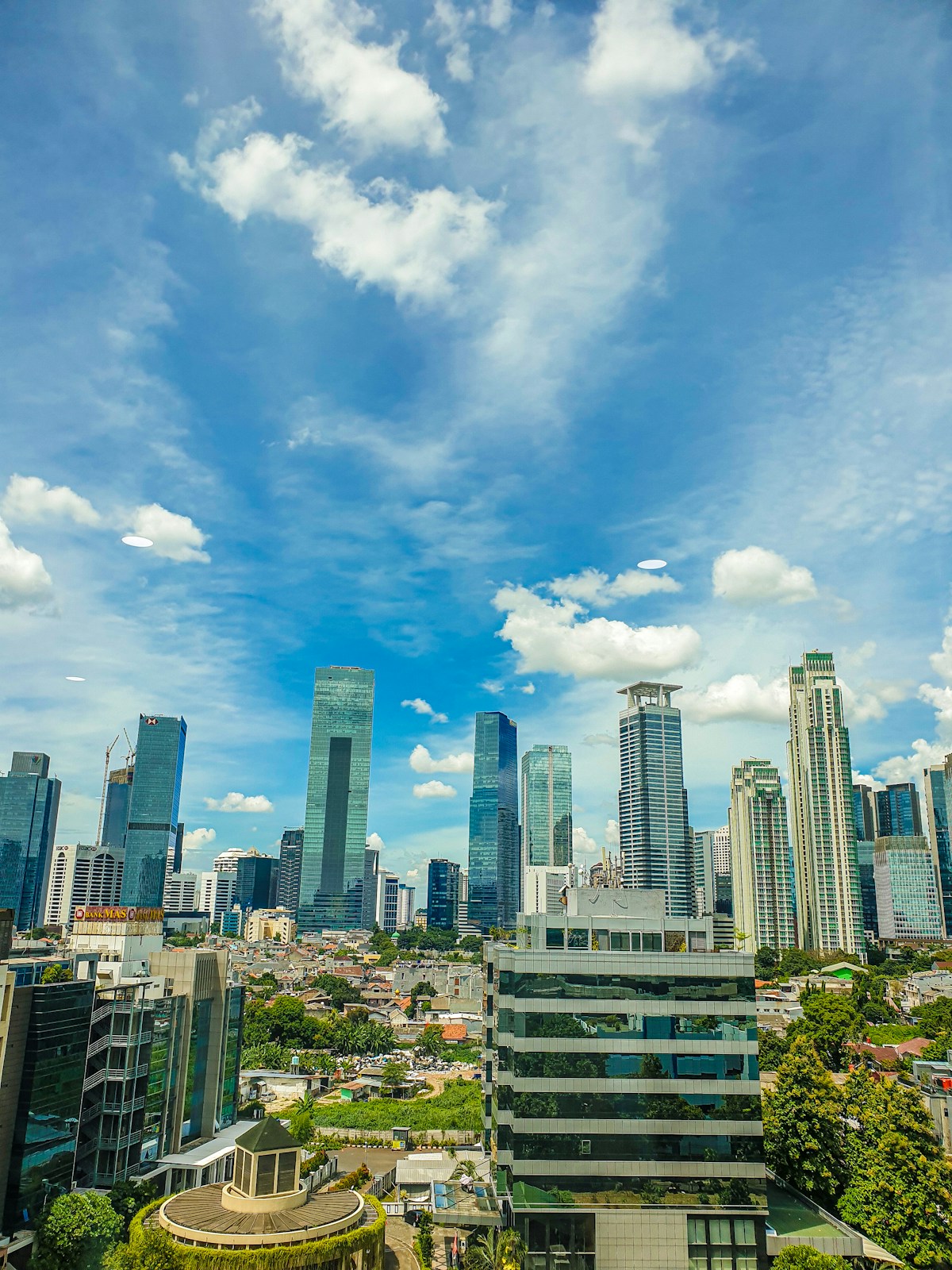
Jakarta occupies the north-western coast of Java at sea level, spread across roughly 660 square kilometres of low-lying coastal plain bisected by thirteen rivers. As Indonesia’s capital and commercial centre - a status it holds until the new capital Nusantara comes fully online - Jakarta concentrates government, finance, media, and manufacturing in one enormous, permanently congested city of around 11 million within city limits and close to 35 million across Greater Jakarta. It is loud, polluted, and relentlessly busy. It is also genuinely interesting, with a layered colonial history, outstanding food, and a cultural scene that rarely makes international headlines but rewards attention.
Neighbourhoods and Orientation
Kota Tua (Old Town) covers the northern waterfront district where the Dutch colonial city of Batavia was founded in the 17th century. The grid of warehouses, canals, and old VOC administrative buildings is now a heritage zone and the most obvious tourist destination in the city. The area around Fatahillah Square is pedestrianised and busy with weekend cyclists.
Sudirman and SCBD form the modern central business district running south from the Welcome Monument roundabout (Bundaran HI). This is where the five-star hotel chains, international restaurants, and shopping malls concentrate. The MRT line runs along this spine from Bundaran HI south to Lebak Bulus.
Menteng is a leafy residential neighbourhood east of Sudirman, developed during the Dutch period as an elite residential district. Some of the best mid-range restaurants and cafés in the city are here, alongside several embassies and Taman Suropati park.
Kemang and Blok M, in South Jakarta, host a dense concentration of bars, restaurants, and nightlife catering to expats and upper-middle-class Jakartans.
Key Attractions
For a full breakdown of museums, cultural sites, and neighbourhood walks in Jakarta, see our Jakarta things to do guide.
Kota Tua (Old Batavia) - The cobbled Fatahillah Square and surrounding streets are free to wander. The square itself is lined with 18th-century Dutch colonial buildings that have been converted into museums, cafés, and administration offices. Arrive before 9am on weekdays to have the area largely to yourself.
Museum Fatahillah (Jakarta History Museum) - The former city hall of Batavia, housing maps, furniture, weapons, and objects from Jakarta’s colonial period. Entry approximately IDR 20,000. Open Tuesday–Sunday, 9am–5pm. The ground-floor dungeon cells, where Dutch prisoners were once held, are among the more memorable parts of the building.
National Museum of Indonesia (Museum Nasional) - One of Southeast Asia’s better archaeological museums, with a collection of Hindu-Buddhist bronzes, ceramics from the Tang and Song dynasties, traditional textiles, and prehistoric artefacts. Entry approximately IDR 15,000. Open Tuesday–Sunday. The museum underwent a significant renovation and the permanent collection is well organised.
Istiqlal Mosque - The largest mosque in Southeast Asia, completed in 1978, with a main dome measuring 45 metres in diameter. Entry is free; non-Muslim visitors are welcome outside prayer times. Dress conservatively and bring or borrow a headscarf at the gate. The scale of the interior is impressive. The mosque faces Jakarta Cathedral directly across Jalan Katedral - a deliberate architectural statement of religious coexistence planned under Sukarno.
Taman Mini Indonesia Indah - A large open-air cultural park south of the city showcasing 34 traditional pavilions representing each Indonesian province. Entry approximately IDR 25,000. Good for a half-day with children or for understanding the country’s geographic and cultural range before travelling further. A cable car crosses the central lagoon.
Ragunan Zoo - One of the better urban zoos in Southeast Asia, covering 140 hectares in South Jakarta with a focus on Sumatran and Javan fauna including orang-utans, Sumatran tigers, and Komodo dragons. Entry approximately IDR 25,000. Arrive early on weekends - it becomes very crowded by mid-morning.
Hotels
For a breakdown of Jakarta’s accommodation options by neighbourhood and budget - Sudirman, Menteng, Kota Tua, and beyond - see our Jakarta where to stay guide.
Raffles Jakarta (luxury) - Located in the Ciputra World development in Kuningan, with 173 rooms and suites, a spa, and several food and beverage outlets. Rates from approximately USD 300 per night as of 2026. The service standard is consistently high and the rooms are among the largest in the city’s luxury tier.
Mandarin Oriental Jakarta (luxury) - On Jalan MH Thamrin facing the Welcome Monument roundabout, well-placed for Sudirman and Bundaran HI MRT access. From approximately USD 250 per night as of 2026. The pool terrace and Sunday brunch are long-standing fixtures among the Jakarta business community.
Kosenda Hotel (boutique mid-range) - A thoughtfully designed boutique hotel in Central Jakarta with strong local design references and a good rooftop bar. From approximately USD 80 per night as of 2026. Represents good value relative to the international chains at similar or higher price points.
favehotel (budget) - A local budget chain with several properties across Jakarta including Sudirman, Wahid Hasyim, and other central locations. Clean, functional rooms with reliable air conditioning and wifi. From approximately USD 30 per night as of 2026. A reasonable base if you plan to spend most of the day outside.
Restaurants
For a deeper look at Jakarta’s regional cuisines - Betawi, Sundanese, Padang, and more - see our Jakarta food guide.
Plataran Menteng - Indonesian fine dining in a beautifully restored colonial villa in Menteng, with a menu drawing from Java, Sumatra, and Sulawesi. Expect approximately IDR 400,000–700,000 per person including drinks as of 2026. The setting - open verandas, tropical garden, and kerosene lanterns at night - is as much the point as the food.
Soto Betawi H. Agus - A Jakarta institution serving soto Betawi, the city’s signature beef and offal coconut-milk soup. The broth is rich, slightly oily, and properly seasoned. A bowl with rice costs approximately IDR 50,000–80,000. There are multiple branches; the most famous original is in the Tanah Abang area. Busy from late morning onwards.
Warung Nasi Ampera - A reliable chain of Sundanese rice restaurants found across Jakarta, serving nasi timbel (rice wrapped in banana leaf) with a spread of lalab (raw vegetables), sambal, fried tofu and tempeh, and grilled or braised meats. A full meal runs approximately IDR 40,000–60,000 per person. No pretension; good consistent food.
Garuda Restaurant - One of the oldest and most respected Padang-style restaurants in Jakarta, with its signature glass-front display of ready-cooked dishes brought to the table on stacked plates. Try the beef rendang, gulai otak (brain curry), and sayur nangka (jackfruit curry). Approximately IDR 60,000–100,000 per person as of 2026.
Getting There and Getting Around
Soekarno-Hatta International Airport (CGK) lies approximately 20 km west of the city centre, but traffic conditions make the journey unpredictable. Allow 45 minutes minimum in off-peak hours; 90 minutes or more during morning and evening rush hours (roughly 7am–10am and 5pm–9pm). The best option into the city is the Airport Rail Link from Terminal 2 or 3 to Manggarai station, connecting to the Commuter Line network. The train takes approximately 50–60 minutes and costs approximately IDR 70,000. From Manggarai you can connect south to the MRT at Dukuh Atas. Grab and Gojek operate from the airport; expect approximately IDR 150,000–300,000 to central Jakarta depending on traffic.
Within the city, the MRT Jakarta runs north–south from Bundaran HI to Lebak Bulus (with a northern extension under construction). The TransJakarta BRT system covers more of the city with dedicated bus lanes but is slower. Grab and Gojek are reliable and cheap for point-to-point travel when the MRT doesn’t reach. Ojek (motorbike taxi via Gojek) is faster than a car through traffic.
Best Time to Visit
Jakarta’s climate is governed by two monsoon seasons rather than four distinct seasons. The wet season runs roughly November through March, with heavy afternoon downpours and occasional flooding in low-lying areas of the city. The dry season (April–October) is more comfortable, though Jakarta remains hot and humid year-round at 28–33°C. The city functions and is worth visiting in any month - the rain rarely lasts all day.
Practical Tips
Jakarta is one of the most congested cities in Asia. Plan activities in clusters by neighbourhood and travel between areas outside peak hours where possible. Air quality is a real concern - if you are sensitive to pollution, a face mask helps on outdoor excursions. Drinking tap water is not safe; bottled water is inexpensive and available everywhere. The currency is the Indonesian Rupiah (IDR); carry cash for street food and local markets, as smaller warungs do not accept cards. Most mid-range and upmarket restaurants, malls, and hotels accept Visa and Mastercard. ATMs from BCA, BRI, and Mandiri are widely available.
For remote workers, our Jakarta digital nomad guide covers the best coworking hubs, co-living options, and which neighbourhoods suit remote work best. For vegan and vegetarian dining, see our vegan Jakarta guide.
Browse tours and day trips in Jakarta - a half-day with a local guide is one of the most efficient ways to get oriented on arrival. For airport transfers into Jakarta, Kiwitaxi offers fixed-price pickups from the main airports - no surge pricing and the driver meets you at arrivals.
More Jakarta Guides
- Things to do in Jakarta - Kota Tua, museums, cultural sites, and neighbourhood walks in full detail
- Where to stay in Jakarta - Sudirman hotels, Menteng boutique stays, and budget options by neighbourhood
- Jakarta food guide - Betawi, Sundanese, and Padang cuisines: the best restaurants and street food
- Jakarta digital nomad guide - the best coworking spaces, co-living, and neighbourhoods for remote workers
- Vegan Jakarta guide - the best plant-based restaurants and vegetarian-friendly spots in the capital
- Jakarta vs Yogyakarta - how to choose between Indonesia’s capital and its cultural centre
Upcoming Events in Jakarta
Chinese New Year Celebrations 2027
jakarta
Chinese New Year 2027, 6 February. Dragon parades and temple ceremonies across Indonesia. biggest celebrations in Singkawang, Glodok, and Medan.
Book an experience
Top experiences in Jakarta
Explore the best tours and activities in Jakarta , with instant confirmation and free cancellation on most bookings.