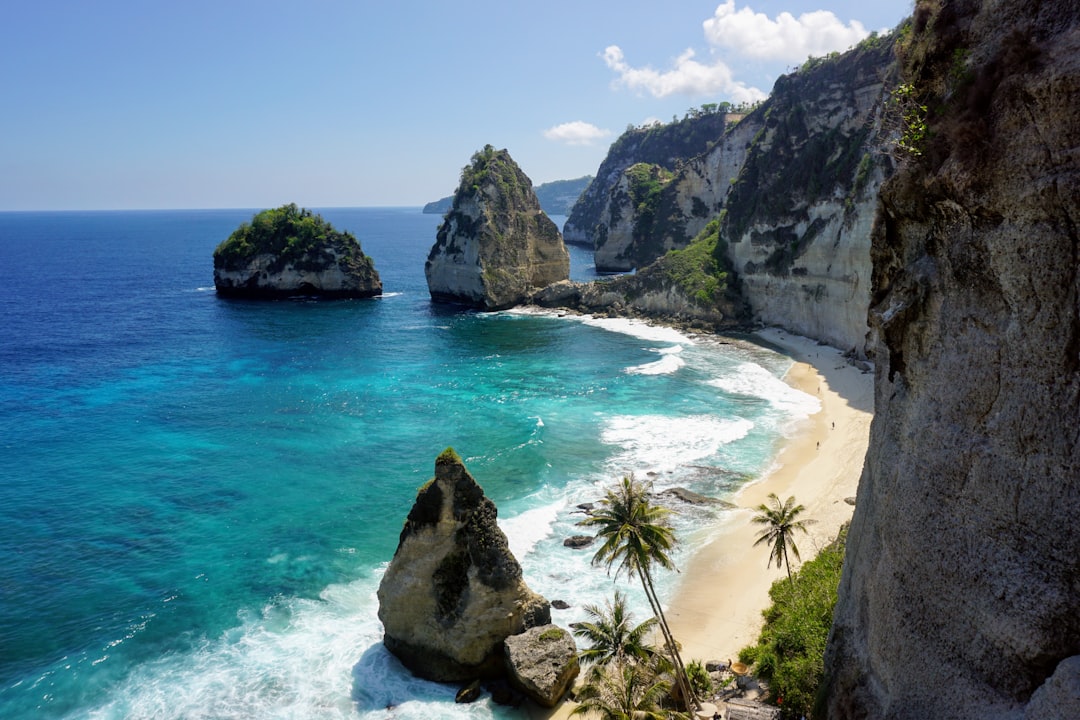
Bali has over 100 km of coastline but not all of it is worth the drive. A handful of beaches stand out - some for surf, some for swimming, some for sheer visual drama. The ones worth your time are spread across several distinct coastal zones: the west coast from Kuta to Canggu, the Bukit Peninsula cliffs and coves, and the quieter eastern and northern shores.
This guide runs through the best options by area, with honest notes on crowd levels, water safety, and how to reach them.
Quick Reference
| Beach | Area | Surf | Swimming | Crowds | Access |
|---|---|---|---|---|---|
| Seminyak | West coast | Moderate | Risky | High | Easy |
| Canggu / Batu Bolong | West coast | Consistent | Risky | High | Easy |
| Kuta | South Kuta | Heavy | Risky | Very high | Easy |
| Padang Padang | Bukit Peninsula | Heavy | Moderate | Moderate | Steep stairs |
| Balangan | Bukit Peninsula | Heavy | Risky | Low–moderate | Car park + walk |
| Green Bowl | Bukit Peninsula | Moderate | Safe (calm) | Low | Long stair descent |
| Nyang Nyang | Bukit Peninsula | Heavy | Risky | Very low | 20 min walk |
| Suluban (Blue Point) | Uluwatu | Heavy surf | Risky | Moderate | Cave access |
| Sanur | East coast | Calm reef | Safe | Low–moderate | Easy |
| Jimbaran | South | Calm bay | Safe | Low | Easy |
West Coast Beaches
Seminyak Beach
Seminyak is Bali’s most developed beach strip - a long, wide stretch of dark sand running south to Kuta. Beach clubs (Potato Head, La Brisa, Mrs Sippy) dominate the central section. The sunsets here are consistently spectacular. The water has moderate surf and a rip current; swimming is possible but requires awareness. Best for: Sunset drinks, beach club visits, people-watching. Avoid: Swimming near the flags without checking conditions first.
Canggu and Batu Bolong
Canggu’s beach is a surf beach first and a swimming beach second. The best breaks are at Echo Beach (left-hander, more power) and Batu Bolong (gentler, good for beginners). The sand is darker and the vibe more casual than Seminyak. During low tide, rocky outcrops make some entry points difficult. Best for: Surfing and surf watching, sunset from Old Man’s bar. Avoid: Swimming here if you are not a confident swimmer.
Kuta Beach
Kuta is Bali’s most famous beach and also its most crowded. The surf here is consistent and has made it the training ground for generations of local and visiting surfers. Lifeguards are present and the surf school density is the highest on the island - IDR 100,000–200,000 for a lesson including board hire from IDR 50,000/hour. The beach itself is wide but gets extremely crowded July–August. Best for: First surfing lessons, the buzz of Bali’s original tourist strip. Avoid: Expecting a peaceful beach experience.
Bukit Peninsula Beaches
The Bukit Peninsula, south of Bali’s airport, has the island’s most dramatic scenery - limestone cliffs dropping directly into the Indian Ocean, with cove beaches at the base.
Padang Padang Beach
Padang Padang is small, enclosed, and beautiful - a classic movie-poster beach (it featured in Eat Pray Love). Entry is via a narrow staircase through a temple wall (approximately IDR 15,000 as of 2026). The bay is flanked by large boulders and has reasonable swimming at mid-to-high tide. Surf breaks at the headland (a serious break for experienced surfers only). Gets busy in peak season by mid-morning; arrive before 9am for a less crowded experience. Best for: Photography, swimming at high tide, watching surfers at the break.
Balangan Beach
Balangan sits at the bottom of a long switchback road through a working fishing village. The beach is wide, the sand is white, and the palm trees lean photogenically over the water. A world-class left-hand surf break runs along the reef. A row of simple warungs serves nasi goreng and fresh coconut. Best for: A more local feel, watching good surf, a full day on the beach. Avoid: Swimming - the water in front of the reef has strong currents.
Green Bowl Beach
Green Bowl is the least crowded of the Bukit beaches accessible by road. It sits at the bottom of a long, steep staircase - around 300 steps down, which is about 300 steps back up. The reward is a calm bay protected by the headland, with snorkelling over the reef at high tide and a cave at the southern end. Parking at the top is easy. There are no beach clubs or warungs - bring water. Best for: Seclusion, snorkelling, visiting outside peak hours.
Nyang Nyang Beach
Nyang Nyang requires a 20-minute walk down through scrubland from a small parking area - there is no signage, so using Google Maps is recommended. The beach is massive, often entirely empty, and backed by undeveloped cliffs. The surf is heavy and swimming is not safe, but the solitude and scale of the sand are unusual for Bali. Best for: Experienced hikers who want empty sand and dramatic scenery.
Suluban (Blue Point Beach)
Suluban is accessed through a cave system at the bottom of the cliffs below the Uluwatu area. The cave walk at low tide is manageable; the beach itself is small. The surf break in front is world-class and draws serious surfers year-round. A row of surf bars (Single Fin is the most well-known) overlooks the break from the clifftop above. Best for: Watching elite surf, sunset at the clifftop bars.
Eastern and Northern Beaches
Sanur Beach
Sanur is the most practical beach for families or anyone who wants calm, safe swimming. The reef sits 500m offshore and protects the bay from swell year-round. The beach promenade runs along the shore for about 5 km, with warung stalls, watersports operators (kayaks, paddleboats, parasailing), and a generally relaxed pace. It is also the main departure point for fast boats to Nusa Penida and the Gili Islands. Best for: Safe swimming, families, boat departures, a relaxed afternoon.
Jimbaran Bay
Jimbaran is a gently curving bay with calm water and a western exposure - the sunset here hits the bay directly and is consistently good. The beach is backed by a row of open-air seafood restaurants where you eat at tables on the sand (expect IDR 100,000–250,000 per person for a full seafood spread as of 2026). The water is calm and suitable for calm swimming. Best for: Sunset seafood dinners, calm swimming, a quieter alternative to the main tourist strip.
Tips for Visiting Bali’s Beaches
- Best time: Dry season (May–October) gives the most reliable blue-sky weather. Rainy season (November–April) brings afternoon downpours but often calmer mornings.
- Parking: Most cliff beaches charge IDR 5,000–10,000 for motorbike parking or IDR 10,000–20,000 for cars.
- Beach clubs: Day passes or minimum spends apply at most (IDR 150,000–500,000+). Sunset sessions at Potato Head or Single Fin book out - reserve in advance.
- Current conditions: Ask local surfers or your accommodation about current conditions before entering the water at any surf beach. Rips are the primary danger and they are not always visible.
For organised beach-hopping, a Bali day tour covering multiple south Bali beaches by driver can be arranged from IDR 500,000–700,000 for a private car - more efficient than navigating independently if you want to cover three or four beaches in a day.
Search hotels in Bali on Booking.com
See our island beaches guide for a broader rundown including Nusa Penida’s cliff beaches, which are among the most spectacular in Indonesia.