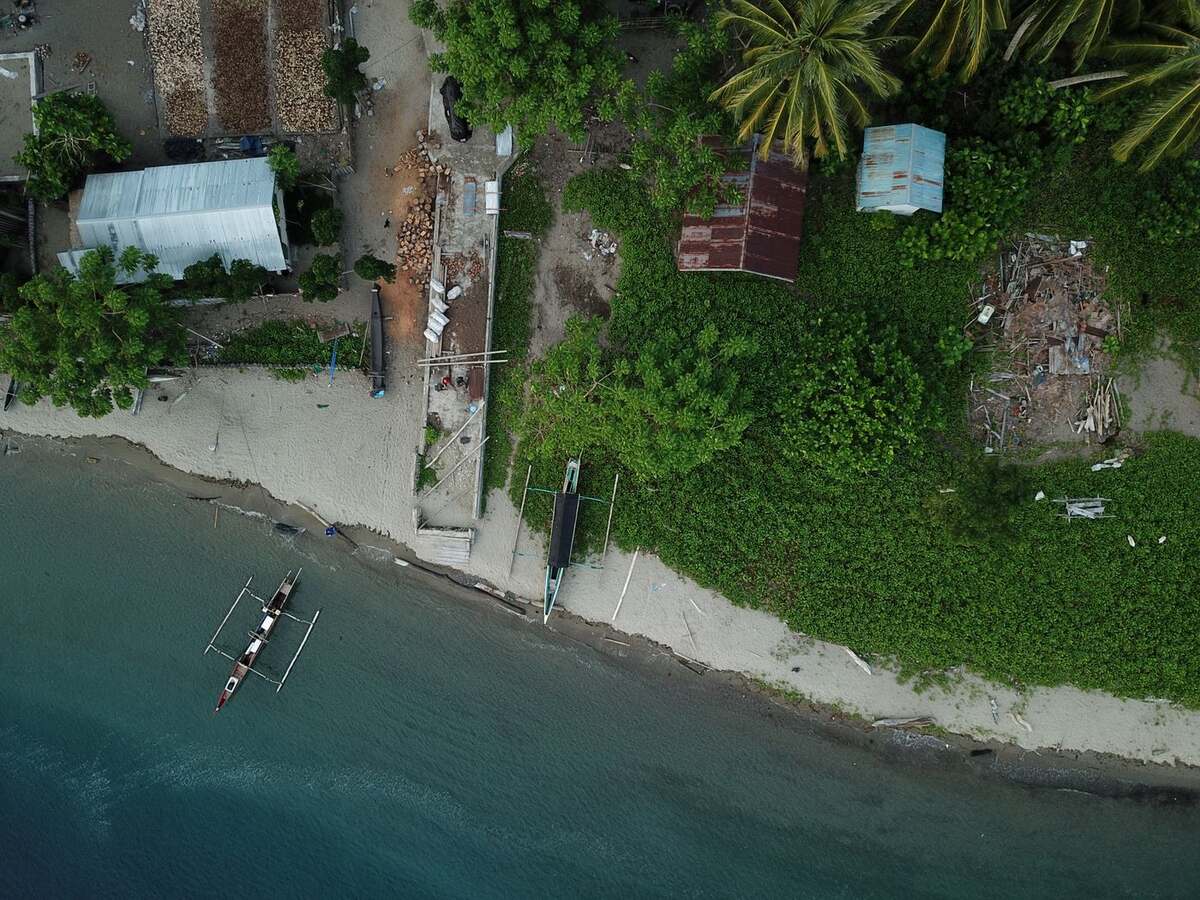
The Togean Islands are a remote archipelago in Tomini Bay, Central Sulawesi - 56 islands of primary rainforest, coral reef, and traditional Bajo sea-nomad settlements, most of them uninhabited. They have no resorts in the Bali sense: accommodation runs to wooden bungalows perched over water, eco-lodges with generator power and no air conditioning, and a handful of family guesthouses in Wakai. The remoteness is, of course, the point - the Togeans see a fraction of the visitors that reach Raja Ampat, the diving is excellent, and the pace is genuinely unhurried.
Kadidiri Island: the main dive hub
Kadidiri is the Togeans’ most-visited island and the best base for those whose primary goal is diving or snorkelling. Several eco-lodges operate here, all with direct reef access from their piers.
Eco-lodges on Kadidiri (IDR 400,000–1,200,000 / USD 25–75 per night)
-
Kadidiri Paradise - Local-owned operation of wooden bungalows on Kadidiri with direct access to the house reef; guests praise the sea-view villas and the owner’s help with boat transfers and tours. Rates typically from around IDR 300,000–700,000 per night, breakfast only (check live rates). Cash only, so bring IDR.
-
Black Marlin - Established beachfront dive resort on Kadidiri with simple bungalows, a restaurant and a strong location near the corals. Rates typically from around IDR 250,000–400,000 per night (check live rates). Guests praise the location, food and diving, but several recent reviews mention maintenance and cleanliness problems, so check recent reviews before booking.
-
Other Kadidiri eco-lodges - Several more family-run bungalow operations sit along the Kadidiri shoreline, from basic to well-appointed, with dive and snorkel packages and jellyfish-lake trips arranged on site. Compare live rates and recent reviews.
Bomba Island: quieter alternative
Bomba Island, north of the main archipelago cluster, is even quieter than Kadidiri - a single small village and one or two accommodation operations, with excellent reef snorkelling from the shore and a more isolated feel.
- Araya Dive Resort Togean - Small dive resort on Bomba with direct reef access, listed on Booking.com from roughly USD 42 per night (check live rates). For divers and snorkellers who want a completely unhurried experience away from even Kadidiri’s modest activity. Communication is limited, so arrange your stay before arriving in the islands.
Wakai: the transit hub
Wakai is the main port village on Pulau Togean, the largest island in the archipelago. It has the ferry connection from Ampana, a small market, and a few basic guesthouses. Most visitors pass through rather than stay, but Wakai works as a one-night base on arrival before moving to an outer island.
- Guesthouses in Wakai - Several family-run penginapan in Wakai offer basic rooms from IDR 150,000–250,000 per night. No frills - cold-water showers, local food, and a practical overnight stop. The Bajo stilt village adjacent to Wakai is worth visiting on foot: one of Central Sulawesi’s most intact sea-nomad communities.
Jellyfish Lake (Pulau Papan) day trip
Togean’s most famous single experience - a marine lake on Pulau Papan with thousands of non-stinging golden jellyfish - is a boat trip from any of the main islands (approximately 30–60 minutes depending on your base). It is not something to stay near; rather, it is included in most eco-lodge tour packages (approximately IDR 100,000–200,000 per person for the entry fee and boat).
Compare prices and availability across all Togean Islands accommodation - Search hotels in the Togean Islands.
Practical notes
Booking: Most Togean eco-lodges require advance booking by email or through local agents. Do not arrive unannounced - occupancy can be full and there is no walk-in alternative. Most lodges include breakfast and dinner in their rates; confirm this when booking.
Electricity: Generator power runs typically 18:00–22:00 on most islands. Charge devices, cameras, and dive lights during this window. Solar charging is available at some lodges.
Cash: Bring all necessary IDR from Ampana or Poso. There are no ATMs in the Togeans.
Best months: April–October for diving visibility and calm crossings. November–March brings rougher conditions and reduced boat services between islands.
The Togeans are not a destination for the schedule-driven traveller - they are for those who want to disappear into the Indonesian archipelago for a week and surface having done some of their best diving in Southeast Asia.