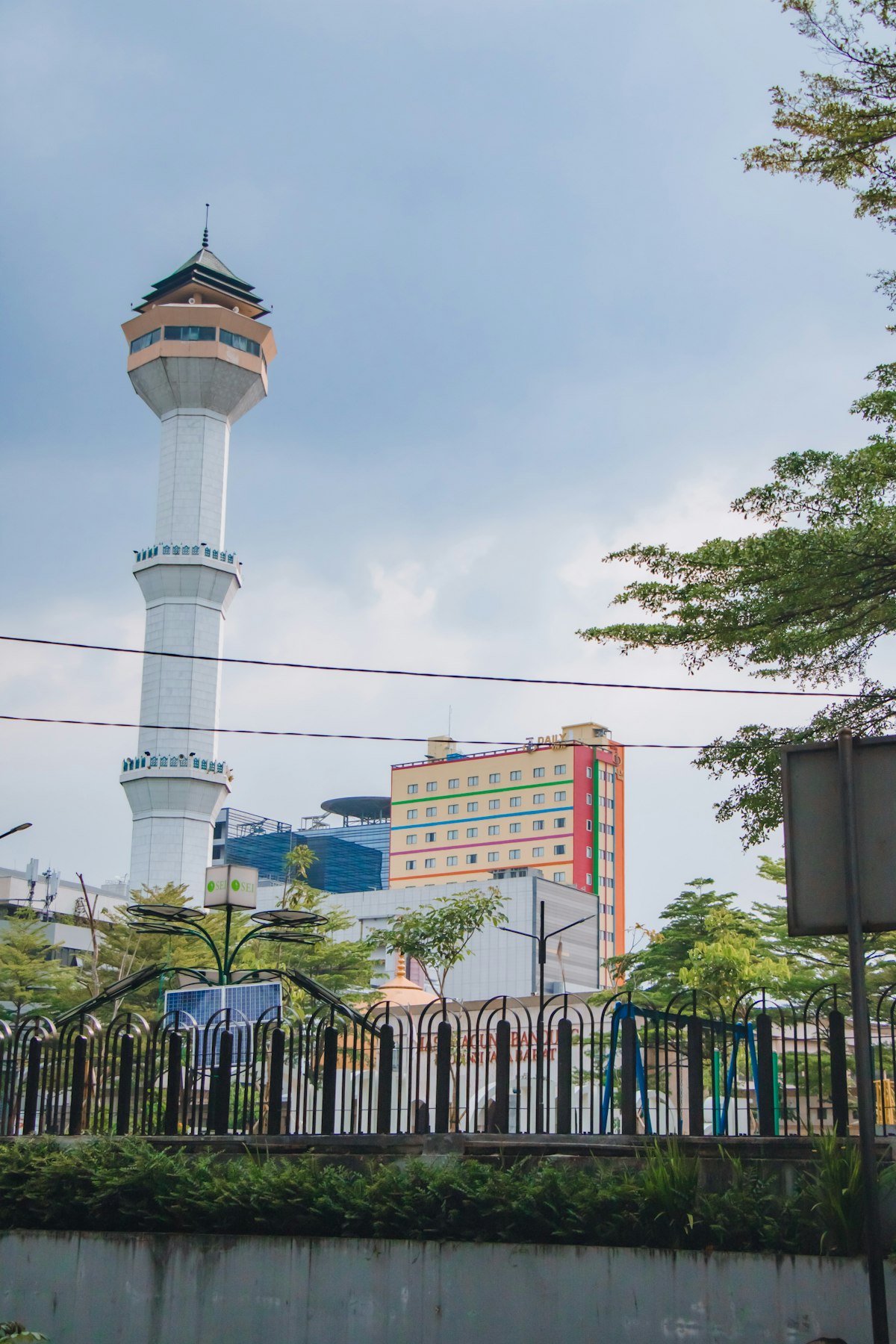
Bandung is West Java’s largest city and the capital of Indonesia’s most populous province - a city of roughly 2.5 million people set in a highland plateau at 768 metres elevation, which gives it reliably cooler temperatures than Jakarta and a climate that Jakartans have sought as a weekend escape for generations. The surrounding landscape includes active volcanic craters, tea plantations, and river gorges; the city itself has one of Indonesia’s best-preserved concentrations of Dutch Art Deco architecture.
The accommodation market reflects Bandung’s dual identity as both a domestic tourist city and an increasingly internationally visited destination. Boutique hotels, heritage buildings converted to guesthouses, and a strong mid-range sector make it an easy city to find good value.
Dago and the northern hills
Dago (short for Jalan Ir. H. Juanda) is Bandung’s most popular visitor area - a long road running north from the city centre into the foothills, lined with cafés, factory outlet malls, cultural venues, and some of the city’s best mid-range hotels. The higher you go up Dago, the cooler the temperature and the more expansive the views become.
The Dago area is the best base for most first-time visitors - well-positioned for day trips to Tangkuban Perahu and Kawah Putih, close to the main shopping and dining scene, and offering a range of accommodation types.
Budget (IDR 100,000–250,000 / USD 6–16 per night)
-
Rumah Nenek - Charming small guesthouse with vintage Dutch-era interior design in the Dago area. Rates from approximately IDR 150,000–280,000 per night. The name translates roughly as “grandmother’s house” - the atmosphere matches: personal, well-kept, and genuinely hospitable. A favourite among domestic travellers who return repeatedly.
-
Budget hostels on Jalan Dago and surrounding streets offer dorm beds from IDR 80,000–120,000 per night. Quality is variable - read recent reviews carefully and look for properties with high cleanliness scores.
Mid-range (IDR 300,000–800,000 / USD 19–50 per night)
-
GH Universal Hotel Bandung - Bandung’s most distinctive hotel: a grandly restored Dutch colonial mansion in the Dago hills. Rates from approximately IDR 600,000–1,200,000 per night for standard rooms; suite prices go higher. The architecture alone justifies a visit - European ballrooms, a castle-like facade, and grounds that feel transported from another era. One of Indonesia’s most photographed hotels.
-
Hotel Papandayan - Established four-star hotel in the city centre with a large outdoor pool, multiple restaurants, and consistent service. Rates from approximately IDR 500,000–900,000 per night. A reliable, well-positioned choice for those who want central access with proper hotel infrastructure.
-
Aston Primera Pasteur - Modern four-star hotel near the Pasteur tollway - strategically placed for those arriving by car from Jakarta or heading out to the volcano sites via the northern highlands. Rates from IDR 400,000–700,000 per night. Reliable, conference-equipped, and considerably newer than much of the city’s hotel stock.
Luxury (IDR 800,000+ / USD 50+ per night)
-
The Trans Luxury Hotel Bandung - Bandung’s most ambitious luxury property, connected to Trans Studio Mall and integrated with an indoor theme park. Rooms from approximately IDR 1,500,000–3,000,000 per night. The scale is enormous - 548 rooms - and the facilities (pool, spa, multiple F&B outlets) match. Best suited to families with children or visitors who want a self-contained resort experience in the city.
-
Savoy Homann Bidakara Hotel - A heritage landmark and the city’s most historically significant hotel. Originally opened in 1880 and rebuilt in the 1930s in the Streamline Moderne style, the Savoy Homann hosted the Asia-Africa Conference of 1955. On Braga Street in the heart of the colonial district. Rates from approximately IDR 800,000–1,800,000 per night. A genuine piece of Indonesian history - the heritage and location are its primary strengths.
Braga Street and the city centre
Braga Street is Bandung’s most celebrated colonial thoroughfare - a pedestrianised stretch lined with Art Deco facades, independent cafés, the Braga Permai restaurant (operating since 1923), and boutique galleries. Staying near Braga puts you within walking distance of the most photogenic part of the city and the Asia-Africa Conference Museum.
The central district is less green and cooler than the Dago hills - afternoons here are warmer. Early morning or evening is the best time to walk Braga.
Lembang: the mountain escape
Lembang sits 15 kilometres north of Bandung at approximately 1,300 metres elevation - significantly cooler than the city and home to Tangkuban Perahu volcano crater (one of Indonesia’s most accessible active volcanic experiences). Day-trippers from Bandung swarm Lembang on weekends; staying here means early access to the crater before the crowds arrive.
Accommodation in Lembang runs from basic guesthouses (IDR 150,000–300,000 per night) to villa compounds with garden views. Weekend and holiday prices are substantially higher than weekday rates - often double.
Practical notes for Bandung
Getting around: Bandung’s ride-share infrastructure (Grab, Gojek) is excellent and the primary way visitors navigate. The Whoosh high-speed train station at Padalarang is 30 minutes from the centre by car. Bandung does not have an MRT; the Bandung city railway (KRL) serves some suburban routes but is not practical for most visitor itineraries.
Weekend crowds: Bandung is heavily visited by Jakartans on Friday and Saturday evenings - the Cipularang toll road gets genuinely congested on Friday afternoons. Hotel prices spike 30–50% on weekends for popular properties, and factory outlet areas get extremely busy. Visiting midweek gives better prices, clearer roads, and more space in the crater parks.
Weather: Bandung’s highland climate means cooler temperatures year-round (average highs 24–28°C vs. Jakarta’s 30–35°C) and more frequent afternoon rain showers in the wet season (November–March). Pack a light layer for evenings.
Compare prices and availability across all Bandung hotels - Search hotels in Bandung.
Which area to choose
Dago: Best all-round base - access to hills, cafés, and volcano day trips. Best mid-range selection.
Braga/City Centre: Best for colonial architecture interest and walking access to the historic district. Warmer than the hills.
Lembang: Best for volcano access and mountain scenery. Weekend prices are high; midweek visits are better value.
Bandung is undervisited by international travellers relative to its quality - the combination of Dutch heritage, volcanic landscapes, a strong food culture, and genuinely cool highland temperatures makes it one of Java’s most rewarding stops.