Tana Toraja Travel Guide: Funeral Ceremonies & Cliff Graves
Tana Toraja, Sulawesi - cliff graves, elaborate funeral rituals and tongkonan longhouses. One of Indonesia's most extraordinary cultural destinations.
Guides for Toraja
Tana Toraja occupies a position in Indonesian culture that is difficult to explain before you arrive and impossible to forget once you have been. In this highland region of South Sulawesi, death is not treated as an ending but as the central social event of a family’s life - elaborately prepared, astronomically expensive by local standards, and conducted through multi-day ceremonies that involve the whole community. Bodies may rest at home for months or years while families save for the ceremony; when the funeral finally comes, buffalo and pigs are sacrificed in quantities that signal the family’s wealth and ensure the deceased safe passage to the afterlife. Effigies of the dead - tau-tau - stand in balconies cut into cliff faces, watching over their ancestral valley for centuries.
No description does it justice. Toraja must be experienced directly.
For hotel recommendations across all budgets, see our where to stay in Toraja guide.
Where It Is and How to Get There
Tana Toraja lies in the highlands of South Sulawesi, roughly 320 kilometres north of Makassar by road. The main town is Rantepao, which serves as the traveller base.
By road from Makassar: Approximately 8 hours by bus or hired car along the Trans-Sulawesi Highway. Night buses depart Makassar in the evening and arrive in Rantepao in the morning; daytime hired cars allow stops en route. Bus fares cost approximately IDR 150,000–250,000; a hired car with driver costs approximately IDR 700,000–1,000,000.
By air: Flights from Makassar to Toraja (TTR) or Palopo (LLO) reduce the journey significantly. From Palopo, Rantepao is approximately 1.5–2 hours by car (approximately IDR 250,000–400,000 hired). Check current airline schedules as routes change seasonally.
The Culture: Understanding the Ceremonies
Torajan culture distinguishes between two types of ceremony: Rambu Solo (smoke descending - funerals and death rituals) and Rambu Tuka (smoke ascending - celebrations for the living, including house dedications and thanksgiving events). Rambu Solo ceremonies are the ones that draw most visitors.
A full Rambu Solo ceremony can last 3–7 days and may involve the sacrifice of dozens of buffalo and hundreds of pigs. The status of the deceased determines the scale. Aristocratic families hold the largest ceremonies; even modest ceremonies involve significant sacrifice. Buffalo with specific coat patterns (spotted or albino) command prices of USD 5,000–15,000 or more per animal; giving a high-status buffalo to a ceremony is one of the most significant social gestures in Torajan society.
Attending ceremonies: Visitors are generally welcome at ceremonies - this is not a private rite but a community event, and foreigners who arrive respectfully are usually invited to observe. Dress conservatively (dark clothing is appropriate; bright colours are not), accept any food or drink offered, and bring a modest gift (sugar, coffee, or cigarettes are appropriate, approximately IDR 50,000–100,000 in value). Ask locally about timing; ceremonies are not publicly scheduled and the best information comes from guides and guesthouses.
Cliff Graves and Tau-Tau
Lemo is the most dramatic of the cliff grave sites - a sheer limestone face with multiple balconies cut by hand, each containing tau-tau effigies dressed in contemporary clothing. The effigies stare across the rice fields below them, their arms outstretched. New effigies are still added after each major funeral. Entry costs approximately IDR 30,000; Lemo is approximately 11 kilometres south of Rantepao.
Londa contains cave graves inside a limestone outcrop, accessible by lantern and including a resident guide. The cave contains skulls and bones accumulated over generations alongside newer coffins. Entry costs approximately IDR 30,000 and the guided walk takes approximately 45 minutes.
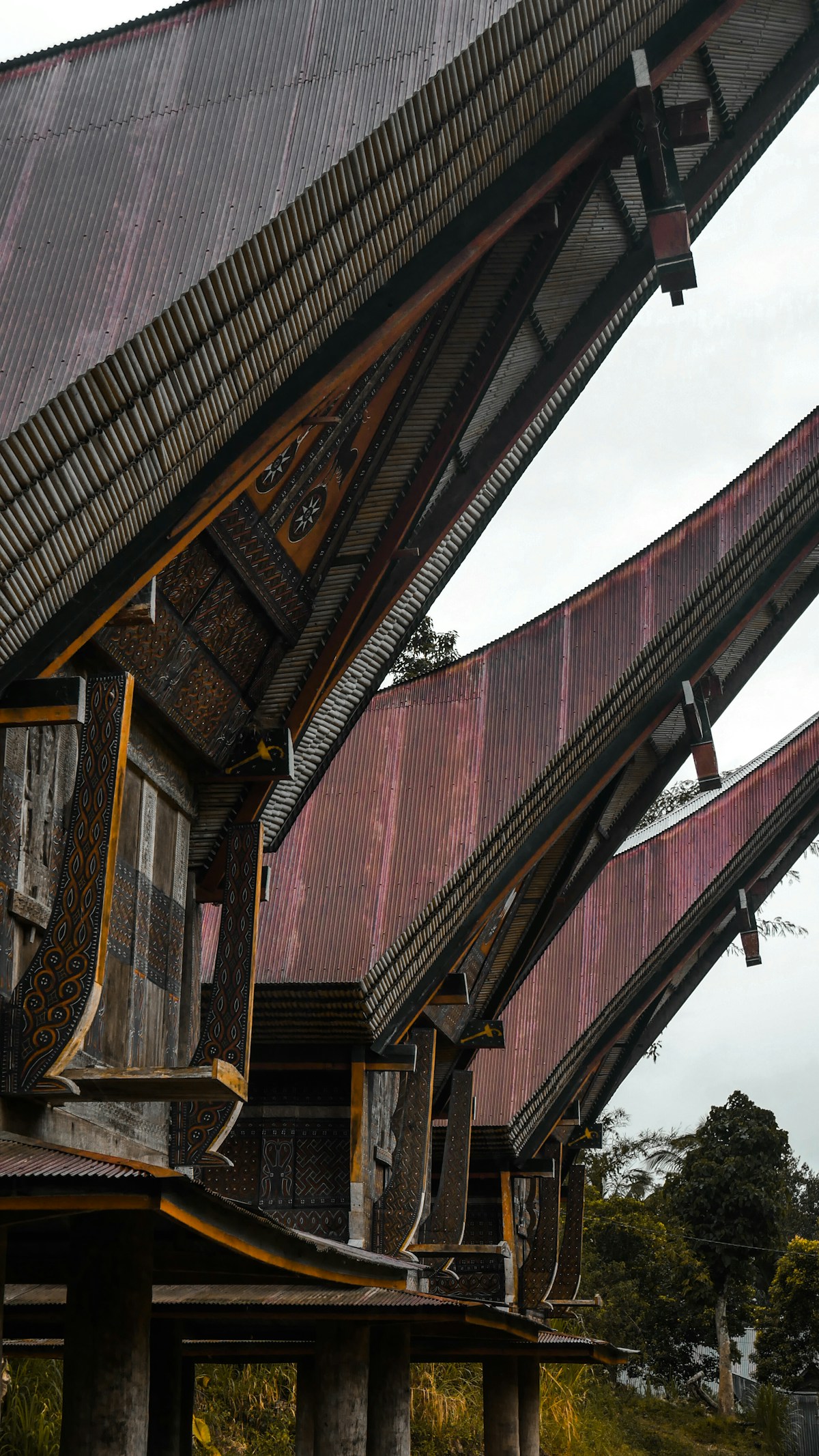
Ke’te Kesu is the most complete traditional village in Tana Toraja - a cluster of tongkonan (traditional boat-roofed longhouses) facing each other across a shared ceremonial space, with rice granaries opposite and cliff graves accessible by a short walk behind. Entry costs approximately IDR 30,000.
Bori Kalimbuang is a megalith field with standing stones erected at various points in Torajan history to commemorate major ceremonies. The stones are still being added to today. Entry is free or by donation.
Where to Eat in Rantepao
Mension Restaurant serves Indonesian and local Torajan food at Rantepao’s main strip - pa’piong (meat cooked in bamboo), fried vegetables, and nasi goreng. Budget approximately IDR 60,000–100,000 per person.
Café Aras offers a broader Western and Indonesian menu and functions as a traveller meeting point. Budget approximately IDR 60,000–120,000 per person.
Note that Torajan food includes pork prominently, reflecting the region’s Christian majority. Street food stalls around the Rantepao market are the best source of affordable local food.
Where to Stay in Rantepao
Toraja Heritage Hotel is the most comfortable property in the region, set in a complex of traditional-style cottages. Rates from approximately USD 70 per night as of 2026.
Indra Toraja Hotel offers reliable mid-range accommodation with a good local restaurant. Rates from approximately USD 40 per night.
Wisma Maria is a clean, simple guesthouse widely recommended by budget travellers. Rates from approximately USD 15 per night.
Search hotels in Toraja on Booking.com
Hiring a Guide
A local guide is strongly recommended for Tana Toraja - not because sites are inaccessible without one, but because ceremony attendance, context, and access to otherwise-closed traditional villages is substantially better with a knowledgeable local guide. Guides charge approximately IDR 300,000–500,000 per day; your guesthouse can connect you with reputable guides who speak English.
Practical Notes
The best time to visit Tana Toraja for ceremony attendance is July through September, when the harvest season has concluded and the largest funeral ceremonies are most commonly held. Visiting outside this window does not guarantee access to a ceremony, though smaller ceremonies occur year-round.
The highlands are noticeably cooler than Makassar - evenings drop to 15–18°C, and rain is possible at any time of year. The road from Makassar improves steadily but remains winding in the highlands; factor significant travel time.
Browse tours and day trips in Toraja - a half-day with a local guide is one of the most efficient ways to get oriented on arrival. For airport transfers into Toraja, Kiwitaxi offers fixed-price pickups from the main airports - no surge pricing and the driver meets you at arrivals.
More Sulawesi Guides
- Makassar travel guide - the gateway city for Toraja: where to stay, eat, and arrange the bus journey north
- Toraja cultural guide - the full guide to Torajan funeral traditions, tau tau effigies, and the belief system behind them
- Manado travel guide - Sulawesi’s northern diving capital: Bunaken Marine Park and Tangkoko Nature Reserve
- Sulawesi diving itinerary - combining Toraja’s cultural highlands with Bunaken and Togean Islands diving
- Indonesia colonial history - Sulawesi’s role in the Dutch East India Company and the broader Indonesian story
Book an experience
Top experiences in Toraja
Explore the best tours and activities in Toraja , with instant confirmation and free cancellation on most bookings.