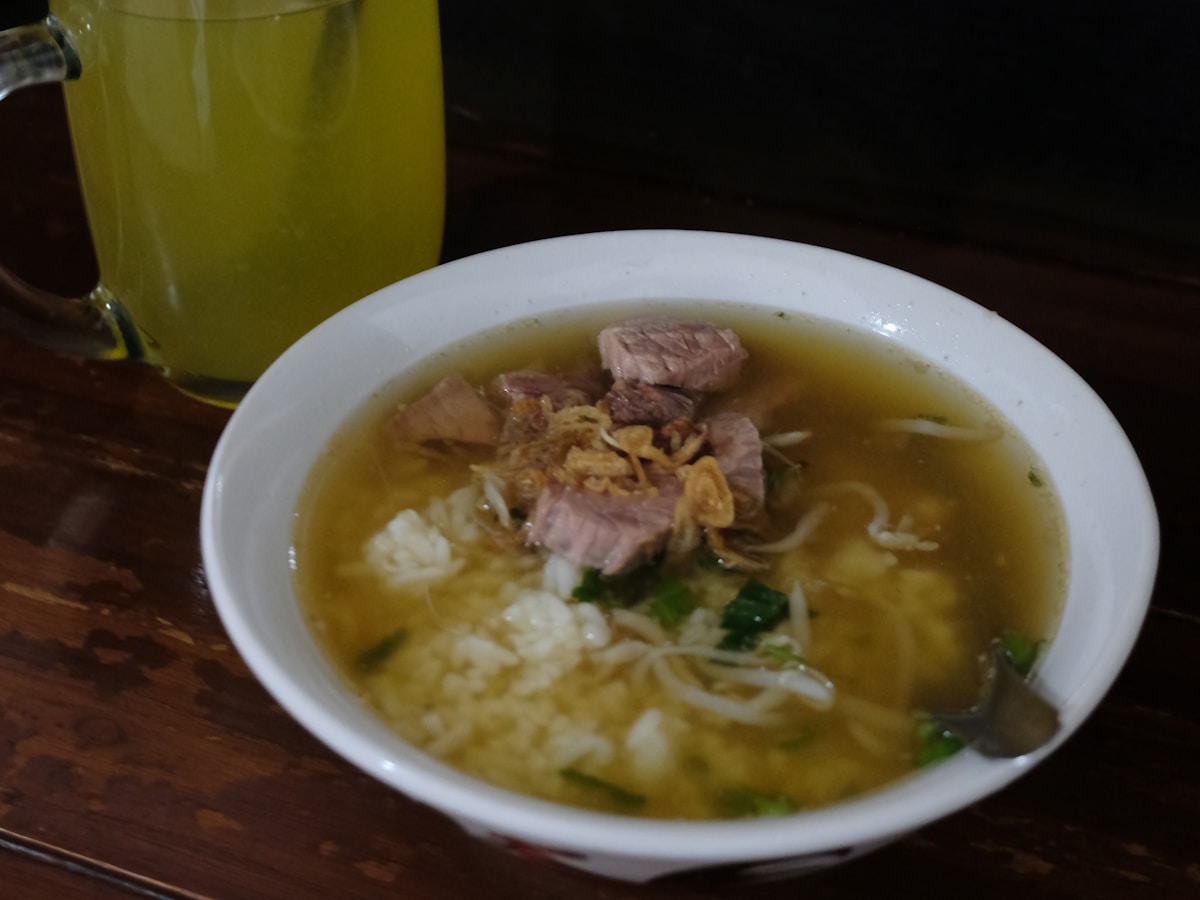
Eating in Raja Ampat is unlike dining anywhere else in Indonesia. The archipelago’s remoteness - four hours by speedboat from the nearest city (Sorong) - means the food scene is built around what the sea provides daily and what the supply boats bring weekly. The quality of the seafood is extraordinary. The variety of everything else is deliberately limited.
1. Homestay Dining - The Archipelago Standard
The foundation of eating in Raja Ampat is the homestay meal. Across the archipelago - from Pianemo to Misool to the islands around Wayag - local families have converted their properties into simple accommodation with fixed-meal arrangements. Three times a day, a plate appears: white rice, a whole fried or grilled fish caught that morning, stir-fried vegetables (kangkung, green beans, or bean sprouts depending on what arrived on the last supply boat), sambal, and often a broth-based soup.
Price: Typically included in room rate (IDR 300,000–800,000/room/night as of 2026); standalone meal packages approximately IDR 120,000–180,000/person/day
The best homestays - Koranu Fyak, Yenbuba Village, and Sawandarek - take pride in their cooking and serve the same fresh fish they see from their kitchen windows. The fish changes daily but the quality does not.
2. Warung-Warung Waisai
Waisai, the capital of Raja Ampat regency on Waigeo island, is where most visitors arrive by fast ferry from Sorong. The town has the only concentration of street-facing warungs in the archipelago: a strip along the main road near the ferry terminal where vendors serve nasi campur (mixed rice with rotating toppings), bakso (meatball soup), mi goreng (fried noodles), fried chicken, and grilled fish.
Price: IDR 15,000–40,000 for a full plate | Hours: Most warungs open 7am–9pm; a few stay open until midnight
Warung Selera Rakyat and Warung Mama Nina near the harbour are reliable for nasi campur and fresh grilled ikan tongkol (mackerel tuna). After several days of homestay meals, the variety of Waisai’s warung strip is genuinely welcome.
3. Koranu Fyak Homestay - Elevated Homestay Cooking
On Kri Island - one of the most popular bases for diving and snorkelling in the archipelago - Koranu Fyak has earned a reputation for cooking that goes beyond the homestay baseline. The fish comes off the reef each morning; the sambal is made fresh; the pumpkin and kangkung sides are properly seasoned. Guests who are not staying here sometimes arrange to eat a meal here after diving the famous Cape Kri wall nearby.
Price: Included in room rate (approximately IDR 600,000–900,000/night for a double as of 2026); non-guests should enquire in advance
4. Fresh Coconut Vendors - Everywhere
Across Raja Ampat’s islands, young coconuts (kelapa muda) are the default refreshment: split on the spot with a machete, the sweet water drunk directly from the shell, the soft jelly scooped out with a carved piece of the husk. Available at most jetties, homestay communal areas, and wherever there are coconut palms and someone with a knife.
Price: IDR 5,000–15,000 per coconut | Freely available wherever there are people
More practical than it sounds after a long dive or a hot afternoon hike to a viewpoint.
5. Misool Eco Resort - Upmarket Dining Option
At the southern end of the archipelago, Misool Eco Resort operates at a different level from the archipelago’s homestay standard. The kitchen produces multi-course meals using fresh catch, local vegetables, and ingredients flown or shipped in specifically. The resort requires booking well in advance and is priced accordingly.
Price: Full board included in rates (approximately USD 450–700/person/night as of 2026 on a full-board basis)
Not a casual dining option - but worth knowing for those for whom the food quality matters as much as the diving.
6. Crab Caught to Order
Several homestay operators around Gam, Mansuar, and Batanta islands can arrange for local fishermen to bring in live mud crab on request. The crab is cooked the same day - typically steamed or grilled with garlic and butter - and served with white rice. The crab here are genuinely wild, caught from mangrove channels by traditional methods.
Price: IDR 80,000–200,000 depending on size, arranged through your homestay | Advance notice of one to two days usually required
If your homestay can arrange this, it is the single best meal you will eat in Raja Ampat.
7. Sorong Markets - Before or After the Islands
Sorong, the gateway city for Raja Ampat, has the archipelago’s best food market: Pasar Remu, open daily from early morning, where the full range of Papuan and eastern Indonesian produce is available. Fresh fish, exotic fruit (including buah merah, the red fruit unique to Papua and used as a health supplement), sago crackers, and a variety of prepared foods.
Price: IDR 5,000–30,000 for most market items | Hours: 5am–1pm daily
If you are spending a night in Sorong before or after the islands, the market breakfast - grilled fish, sago porridge, and sweet tea - is the most efficient way to eat well before boarding the ferry.
8. Papua Sago Dishes
Sago - extracted from the pith of the sago palm - is the traditional starch of lowland Papua and still appears in market stalls and some homestay kitchens as papeda (a clear, gelatinous sago porridge), sago pancakes (bagea), and sago crackers. Papeda is traditionally eaten with yellow fish curry (kuah kuning) - a bright turmeric and citrus-leaf broth with white fish - stirred together at the table.
Price: IDR 15,000–30,000 at market stalls | Available at Pasar Remu in Sorong and occasionally at homestays with Papuan owners
A significant taste departure from the rice-and-sambal rhythm of most Indonesian meals.
9. Pindang Tongkol - Spiced Mackerel Tuna
The most common fish dish across Raja Ampat after the plain-grilled option: mackerel tuna (tongkol) simmered in a spiced tamarind and chilli broth until the flesh has absorbed the sourness and the liquid has reduced to a thick, clingy sauce. Served with white rice and raw cucumber. Available at almost every warung in Waisai and at homestays across the archipelago.
Price: IDR 20,000–35,000 at warungs | Hours: Lunch service at most Waisai warungs
10. Bintang Beer and Coconut Palm Wine
Alcohol availability in Raja Ampat is limited by the region’s majority-Muslim population on some islands and by supply logistics across the board. Bintang beer is reliably available at dive resorts and some higher-end homestays. Palm wine (sagero or tuak) is produced in some Papuan communities on the outer islands and occasionally available through homestay networks.
Price: Bintang IDR 30,000–60,000/bottle at homestays and resorts
If wine or spirits matter to you, bring what you need from Sorong - options on the islands are limited to beer at best.
What to Expect From Food in Raja Ampat
Raja Ampat’s food scene reflects its geography. The archipelago has no agricultural land to speak of, no supply chain, and limited cold storage outside the dive resorts. What it has is an ocean of extraordinary diversity and fishing communities that have fed themselves from it for generations.
The fish you eat here - red snapper, grouper, mackerel, parrotfish, octopus - was alive in the world’s most biodiverse marine ecosystem this morning. That is the defining quality of eating in Raja Ampat. Everything else is secondary to it.
Bring: Snacks, instant noodles, favourite condiments, and any dietary supplements you need. Supply boats from Sorong typically run two to three times per week; availability of anything beyond staples is unpredictable.
Drink: Bottled water is available at all homestays and must be purchased (approximately IDR 5,000–10,000 per 600ml bottle as of 2026). Drink at least 3 litres daily in the heat, especially on dive days.
Book a Local Food Experience in Raja Ampat
Raja Ampat’s dining is fundamentally a homestay experience - fresh fish prepared by Papuan families using spice combinations that reflect the islands’ isolation and the availability of what the ocean provides that morning. Some homestays offer dedicated cooking experiences where guests participate in preparing the catch, learning the spice preparations for kuah kuning (yellow fish soup) and the specific grilling techniques over coconut-husk fire. These aren’t formal tours but arranged experiences through your homestay host - ask when booking accommodation. For boat-based tours that include meals from the water, options are available through Sorong and Waisai operators.
Browse tours and experiences in Raja Ampat
More Raja Ampat Guides
- Raja Ampat travel guide - the full Raja Ampat overview: orientation, key attractions, hotels, and getting there
- Things to do in Raja Ampat - the best activities and experiences in and around Raja Ampat
- Where to stay in Raja Ampat - the best hotels and guesthouses by neighbourhood and budget