Lake Toba Travel Guide: Sumatra's Ancient Volcanic Lake
The world's largest volcanic lake - Samosir Island, Batak Toba culture, traditional stone villages, and mountain air 900m above sea level.
Guides for Lake Toba
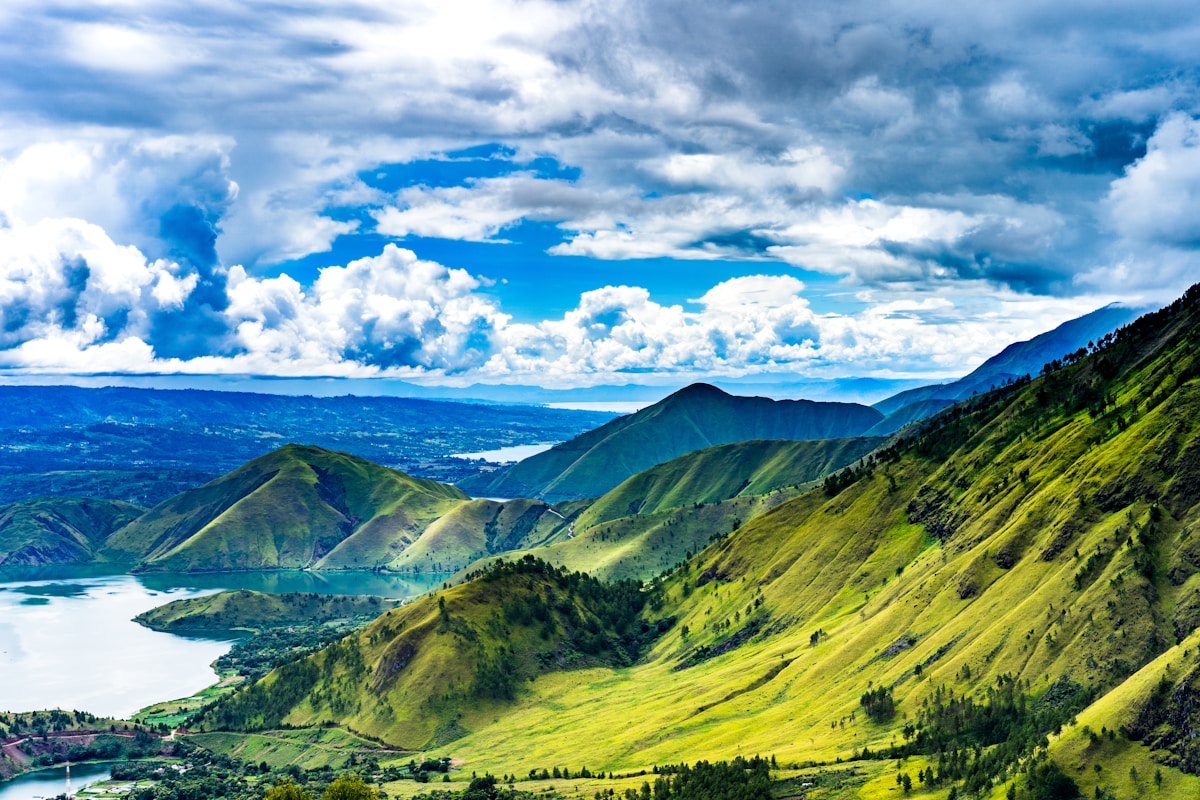
Lake Toba is the largest volcanic lake in the world and, by scientific consensus, the site of the most catastrophic volcanic eruption in the last two million years. Approximately 74,000 years ago, a supervolcanic eruption here ejected an estimated 2,800 cubic kilometres of material and triggered a volcanic winter that some researchers believe drove the global human population to near-extinction. What remains is a caldera lake 100 kilometres long, 30 kilometres wide, and 505 metres deep - an inland sea at 900 metres altitude, ringed by mountains and containing an island the size of Singapore.
Sitting inside that lake is Samosir Island, the cultural heartland of the Batak Toba people. Visiting Lake Toba means spending time on Samosir - in traditional villages of carved wooden houses, eating fresh lake fish, and engaging with one of Indonesia’s most distinctive ethnic cultures.
The Lake and the Science
The eruption that formed Lake Toba occurred during the Toba catastrophe approximately 74,000 years ago. The caldera that resulted filled with water over millennia. Samosir Island is a resurgent dome - geological uplift within the caldera pushed a mass of rock back above water level, creating the island within the lake. The landscape is not metaphorically dramatic; it is geologically extraordinary. The scale only becomes clear from elevated viewpoints on the lake rim, particularly from the road above Parapat or from the hills on Samosir’s eastern side.
Samosir Island: What to See
Tuk Tuk Peninsula is the main traveller hub on Samosir - a small promontory connected to the island by a narrow strip, with most guesthouses, restaurants, and boat jetties clustered here. It is the base for most visitors.
Tomok village, a short motorcycle ride south of Tuk Tuk, contains the stone sarcophagus of King Sidabutar, a 15th-century Batak ruler. The site costs approximately IDR 10,000 to enter and includes traditional carved Batak houses and resident guides who explain the burial customs. The sarcophagus is carved with a face believed to ward off evil spirits.
Ambarita village lies further south and contains a unique complex of ancient stone judgment seats - stone chairs arranged in a circle where, according to tradition, criminals were tried and sentenced. Entry costs approximately IDR 10,000. The site is accompanied by explanations of Batak law and punishment traditions that are delivered with the dry matter-of-factness that Batak culture tends toward.
Simanindo village on the northern tip of Samosir has the most elaborate traditional house complex on the island and hosts daily Batak cultural performances (entry approximately IDR 30,000, performances typically at 10:30am). The dances include Tor-Tor ceremonial dance and Sigale-Gale puppet performances - the puppet is traditionally believed to embody the spirit of a deceased person.
Hot springs at Pangururan on the western coast of Samosir are accessible by motorcycle. The springs bubble up at the base of a hillside, and a public bathing area costs approximately IDR 15,000. The water is genuinely hot - around 40°C - and the surrounding landscape is the least-visited part of the island.
Where to Eat
Warung Makan RH in Tuk Tuk serves fresh grilled ikan mas (carp) caught from the lake - the definitive Lake Toba meal. A full fish with rice and vegetables costs approximately IDR 60,000–100,000.
Bagus Bay Homestay café offers a broader menu of Indonesian and Western dishes and is a reliable option for travellers who want something familiar. Budget approximately IDR 60,000–120,000 per person.
Batak cuisine more broadly features pork dishes that distinguish this predominantly Christian ethnic group from the Muslim majority of Sumatra. Babi panggang (roasted pork with blood sauce) is the traditional celebration dish - available in warung around Tuk Tuk for approximately IDR 80,000–120,000.
Where to Stay
Tabo Cottages in Tuk Tuk is the long-standing benchmark for mid-range accommodation on the lake - wooden bungalows on the waterfront with a good restaurant attached. Rates from approximately USD 25 per night as of 2026.
Samosir Villa Resort offers the most comfortable accommodation on the island with a pool and lake-facing rooms. Rates from approximately USD 45 per night.
Romlan Guest House is the standard budget option - basic but clean, with direct lake access and the option to rent bicycles. Rates from approximately USD 12 per night.
Search hotels in Lake Toba on Booking.com
Getting to Lake Toba
From Medan by road: The standard route takes approximately 4 hours by hired car or shared minibus to Parapat on the lake’s eastern shore. The road is mostly good but involves mountain switchbacks; minibuses cost approximately IDR 50,000–80,000 per person.
By air: Silangit Airport (DTB) near Tarutung handles flights from Medan (approximately 30 minutes) and Jakarta. From Silangit, Tuk Tuk is approximately 1 hour by road and ferry combination.
Ferry to Samosir: Ferries depart from Ajibata (near Parapat) to Tuk Tuk regularly from early morning until late afternoon, costing approximately IDR 10,000–20,000 per person. The crossing takes approximately 45 minutes. Car ferries also operate from Parapat to Tomok.
Practical Notes
The lake sits at approximately 900 metres altitude, making it noticeably cooler than coastal Sumatra - evenings can drop to 18°C. Rain falls year-round but is lighter from May to September.
Samosir Island is 630 square kilometres and large enough to get lost on - hire a motorcycle (approximately IDR 100,000–150,000 per day) to explore beyond Tuk Tuk. The roads are paved on the main circuits and rough on secondary tracks.
Sunday church services in Tuk Tuk and nearby villages are worth attending if invited - Batak Protestant choral singing is extraordinary and the congregations are welcoming to respectful visitors.
Browse tours and day trips in Lake Toba - a half-day with a local guide is one of the most efficient ways to get oriented on arrival. For airport transfers into Lake Toba, Kiwitaxi offers fixed-price pickups from the main airports - no surge pricing and the driver meets you at arrivals.
More Lake Toba Guides
- Things to do at Lake Toba - Samosir Island villages, hot springs, and traditional Batak experiences
- Where to stay at Lake Toba - Tuk Tuk guesthouses, lakeside resorts, and budget options compared
- Food guide to Lake Toba - fresh lake fish, babi panggang, and Batak cuisine explained
- Medan travel guide - the Sumatra gateway city used by most visitors to reach Lake Toba
- Bukit Lawang orangutan trek - guided jungle walks in Gunung Leuser National Park, two hours from Medan
- Sumatra adventure itinerary - Lake Toba’s place in a wider North Sumatra overland route
- Sumatra jungle adventure itinerary - orangutans, volcanic lakes, and Batak villages across North Sumatra
Book an experience
Top experiences in Lake Toba
Explore the best tours and activities in Lake Toba , with instant confirmation and free cancellation on most bookings.