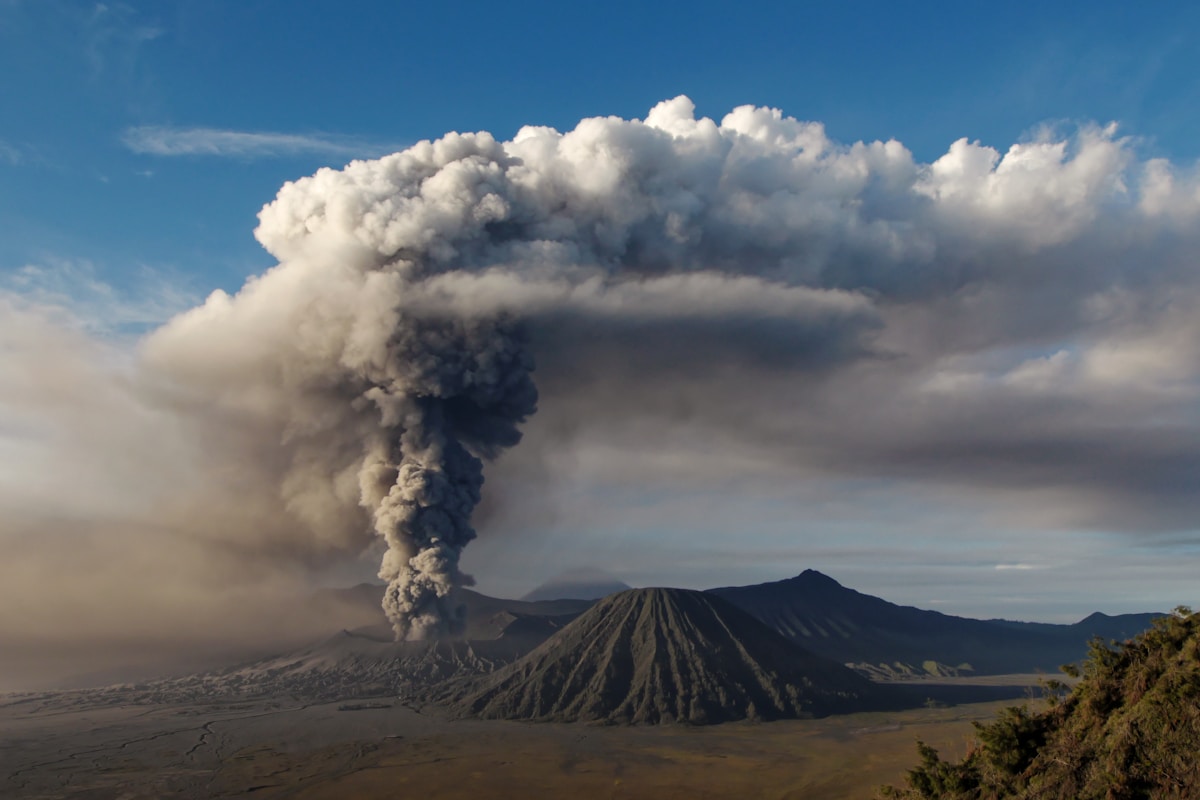
Jakarta’s Soekarno-Hatta International Airport suspended all flight operations on the morning of Sunday, 6 September 2026 after Anak Krakatau erupted in the Sunda Strait. The eruption, which began at 3:53 a.m. local time, produced a 30-second burst of volcanic activity with lava flares visible on CCTV. Volcanic ash spread toward the Jakarta area, making it unsafe for aircraft to operate.
Airport operator Angkasa Pura confirmed a total of 301 flights were cancelled - 58 of them international routes. Operations were initially suspended and later extended until 5:30 p.m. local time (10:30 GMT), with updates expected as ash dispersion data came in.
What This Means for Travellers
If you have a flight today: Contact your airline immediately. All carriers operating through Soekarno-Hatta have been affected, including Garuda Indonesia, Lion Air, Batik Air, AirAsia, and all international partners. Rebooking fees are typically waived during a declared force majeure; check your airline’s disruption policy.
If you are in Jakarta: The ash cloud does not pose a health emergency at city level, and no evacuation order has been issued. Indonesian authorities confirmed no casualties and no tsunami risk from this eruption. We recommend staying updated through BMKG (Indonesia’s meteorological and geophysical agency) for air quality advisories.
If you are connecting through Jakarta: International connections via Soekarno-Hatta should be treated as cancelled for the duration of the suspension. Check with your airline about alternative routings through Bali’s Ngurah Rai Airport or Surabaya’s Juanda Airport.
For anyone travelling to or from the capital, our Jakarta city guide has practical orientation, and our Jakarta airport transfer guide covers ground transport options once the airport resumes operations.
About Anak Krakatau
Anak Krakatau - meaning “Child of Krakatau” - is an active stratovolcano that emerged from the caldera of the original Krakatau, which catastrophically erupted in 1883. It has been in a near-constant state of low-level activity since the 1990s, with larger eruptive episodes in 2018 and 2022. Eruptions here are monitored by the Centre of Volcanology and Geological Hazard Mitigation (PVMBG).
We will update this article as the airport resumes normal operations. If your travel to Indonesia has been disrupted, search for alternative flights and check with your airline and travel insurer - most policies cover cancellations due to volcanic activity under natural disaster clauses.