Search hotels in Ubud on Booking.com
Ubud draws a different type of digital nomad than Canggu. Where Canggu is social, noisy and beach-adjacent, Ubud is quieter, greener and oriented around wellness, creativity and spiritual culture. The rice terrace walks are 10 minutes from central coworking spaces. Yoga studios outnumber bars. The café scene prioritises organic coffee and raw food over party playlists.
If your remote work goes better with peace and structure than with beach clubs and networking events, Ubud is worth serious consideration.
Coworking Spaces
Hubud (Jalan Monkey Forest, central Ubud) - the original and most famous coworking space in Ubud; opened in 2012 and became one of the defining early venues of the global digital nomad movement. Located in a striking bamboo building on the edge of the Monkey Forest. Internet: 50–100 Mbps fibre; reliable. Community: scheduled events, skill shares, member directory. Rates: approximately IDR 500,000/day, IDR 1,500,000/week, IDR 4,000,000/month (as of 2026). The bamboo structure and forest backdrop make it one of the most distinctive work environments anywhere.
Outpost Ubud (Jalan Raya Penestanan, west of central Ubud) - part of the same Outpost network as the Canggu location; hillside setting with mountain views; quieter than Hubud. Rates: approximately IDR 350,000/day, IDR 1,100,000/week (as of 2026). Coliving accommodation connected to the workspace.
Kemenuh Beehive (Kemenuh village, east of Ubud) - newer, smaller coworking space in a rice paddy setting; fewer distractions; good for those wanting genuine quiet. Rates: approximately IDR 250,000/day (as of 2026). Less community programming than Hubud but lower cost.
Taksu (Jalan Goutama) - a café and coworking hybrid with reliable wifi and a garden setting; not a formal coworking space but workable for half-day sessions; approximately IDR 50,000–80,000 minimum spend (as of 2026).
Work Cafés
Seniman Coffee Studio (Jalan Sri Wedari) - Ubud’s best specialty coffee café; consistently good wifi; good table space; mornings here before the lunch crowd are excellent for focused work. Approximately IDR 40,000–90,000 for coffee and a light breakfast (as of 2026).
Yellow Flower Café (Jalan Bisma, overlooking a rice valley) - quiet, reliable wifi, excellent view; not as close to the town centre but worth the 10-minute walk for the setting and lower noise level.
Kismet (Jalan Dewi Sita, central Ubud) - healthy food and good wifi; popular with wellness-oriented nomads; a solid lunch stop with enough table space for afternoon work.
Bali Buda (multiple Ubud locations) - organic café chain; wifi works; good for quick working lunches; approximately IDR 60,000–120,000 per meal.
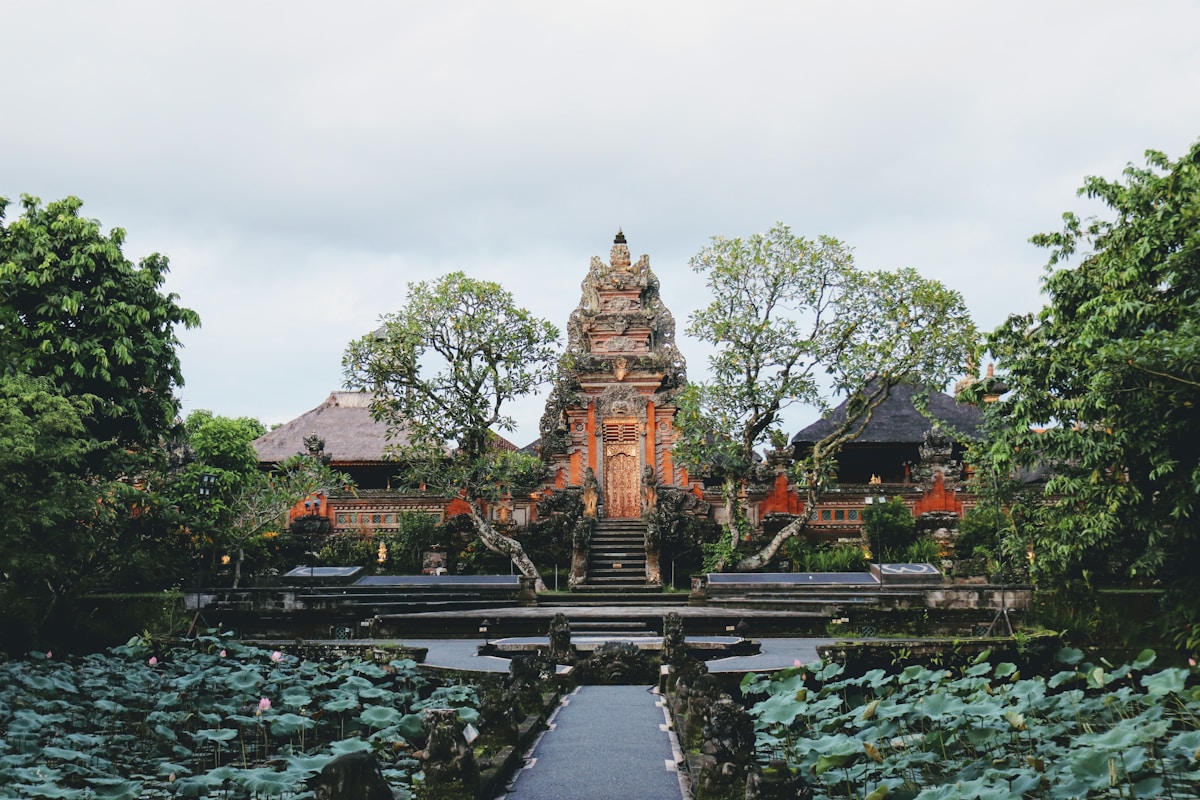
Avoid Café Lotus (the famous lotus pond restaurant on Jalan Raya Ubud) for work - it is a heritage ambiance spot, not a work environment. Beautiful for coffee; poor for productivity.
Internet: The Honest Assessment
Ubud wifi is generally slower and less reliable than Canggu. Central Ubud infrastructure has improved in recent years, but connections in outlying areas - Penestanan, Nyuh Kuning, Sayan ridge villas - can be patchy, particularly during afternoon rain.
Standard operating procedure: always carry a Telkomsel SIM card with a mobile data plan as a backup hotspot. A 30GB data package costs approximately IDR 100,000–150,000 (as of 2026) and provides adequate backup for most work tasks. Pick up a SIM at the airport or any Indomaret / Circle K convenience store.
If your work requires consistent video calls, use Hubud or Outpost - they have generator backup and dedicated fibre. Do not rely on villa wifi for anything time-critical without a tested backup.
Cost of Living
Monthly estimates for a solo remote worker in Ubud (as of 2026):
Accommodation:
- Private villa (standalone): approximately IDR 5,000,000–12,000,000/month (approximately USD 310–740 at recent exchange rates)
- Budget guesthouse: approximately IDR 2,500,000–5,000,000/month
- Coliving with coworking (Outpost model): approximately USD 800–1,400/month including room + coworking
Food:
- Warung meals: approximately IDR 25,000–50,000 per meal
- Organic café meals: approximately IDR 60,000–150,000 per meal
- Eating out daily at a mix: approximately USD 15–25/day
Yoga & wellness:
- Drop-in yoga class: approximately IDR 100,000–200,000/session (as of 2026)
- Monthly yoga studio pass: approximately IDR 1,200,000–2,500,000
Transport:
- Scooter hire: approximately IDR 450,000–700,000/month; Ubud’s roads are narrower and hillier than Canggu
- Grab and GoJek available in central Ubud for short trips: approximately IDR 15,000–35,000
Total monthly budget: approximately USD 1,000–1,800/month for a comfortable setup including accommodation, food, coworking and wellness. The combination of lower accommodation costs than Canggu and cheaper food at warungs makes Ubud marginally more affordable for those not spending heavily on nightlife.
Lifestyle & Community
Ubud’s nomad scene is smaller and more organic than Canggu’s. Community life tends to organise around:
- The Yoga Barn (Jalan Hanoman) - the largest yoga centre in Ubud; community board; workshops and teacher training; frequented by long-term resident nomads
- Hubud community events - monthly skill shares, talks and social events; open to day-pass holders
- Bali Spirit Festival (annual, around March/April) - the major wellness festival; international speakers, yoga, dance, music; attended by much of the island’s nomad and expat community
Ubud suits longer stays of one month or more better than short-term visits. For a broader guide to Ubud’s temples, walks, and cultural highlights beyond remote work, see our Ubud guide. The town reveals itself gradually - the weekly Keliki art market, the evening gamelan rehearsals at local banjar (community halls), the rice harvest cycle - and rewards patience.
Day tours and half-day trips in Ubud make efficient use of non-work days without the overhead of planning transport yourself. Reliable data is non-negotiable for remote workers - an Indonesia eSIM gives you 4G backup when coworking space wifi drops.
Practical Notes
- Ubud has no beach - this is deliberate. Go to Canggu or Seminyak for beach time; return to Ubud for work and focus.
- Traffic on Jalan Raya Ubud (the main street) is genuinely bad 8am–10am and 4pm–7pm. Scooter back-road navigation, or simply walking, is the practical solution in the town centre.
- Altitude: Ubud sits at approximately 200–300m above sea level, giving it slightly cooler evenings (22–26°C) than coastal Bali. A light layer for evening is useful, particularly in the wet season (November–April).
- Power cuts (PLN outages) are more frequent in Ubud than in Canggu; a UPS for a laptop and a phone power bank are sensible investments for long-term residents.