Munduk: Coffee Plantations, Waterfalls & North Bali
Munduk coffee: Arabica plantation walks from IDR 30,000, three waterfalls in 30 minutes, cool 950m highland air - no beach clubs or crowds.
Guides for Munduk
Search hotels in Munduk on Booking.com
Munduk sits at approximately 950 metres above sea level in the Buleleng regency of North Bali, a 2.5-hour drive from Kuta through the interior. At this altitude the air is noticeably cooler than the coast - typically 18–24°C - and the landscape shifts from dry coastal scrub into dense jungle threaded by clove, coffee, and vanilla plantations established under Dutch colonial management in the early 20th century. Munduk is primarily a trekking and waterfall base; its roads are narrow, the accommodation stock runs from basic guesthouses to well-positioned plantation resorts, and there are no beach clubs or nightlife. The draw is the combination of cool air, green forest, working agricultural land, and a series of accessible waterfalls within easy walking distance of the village.
For hotel recommendations across all budgets, see our where to stay in Munduk guide.
Getting to Munduk
Munduk is approximately 90 km from Kuta and 75 km from Ubud. From Kuta, the standard route runs through Tabanan and up through the central Bali mountains, passing Lakes Buyan and Tamblingan before the final climb to Munduk. Journey time is approximately 2.5 hours. A private car from Kuta costs approximately IDR 350,000–500,000 as of 2026. From Ubud, allow 2 hours and budget IDR 250,000–400,000. Many visitors combine Munduk with a circular North Bali itinerary stopping at Lovina on the coast, which reduces backtracking. There is no reliable public bus to Munduk; private car or scooter are the practical options.
Waterfalls
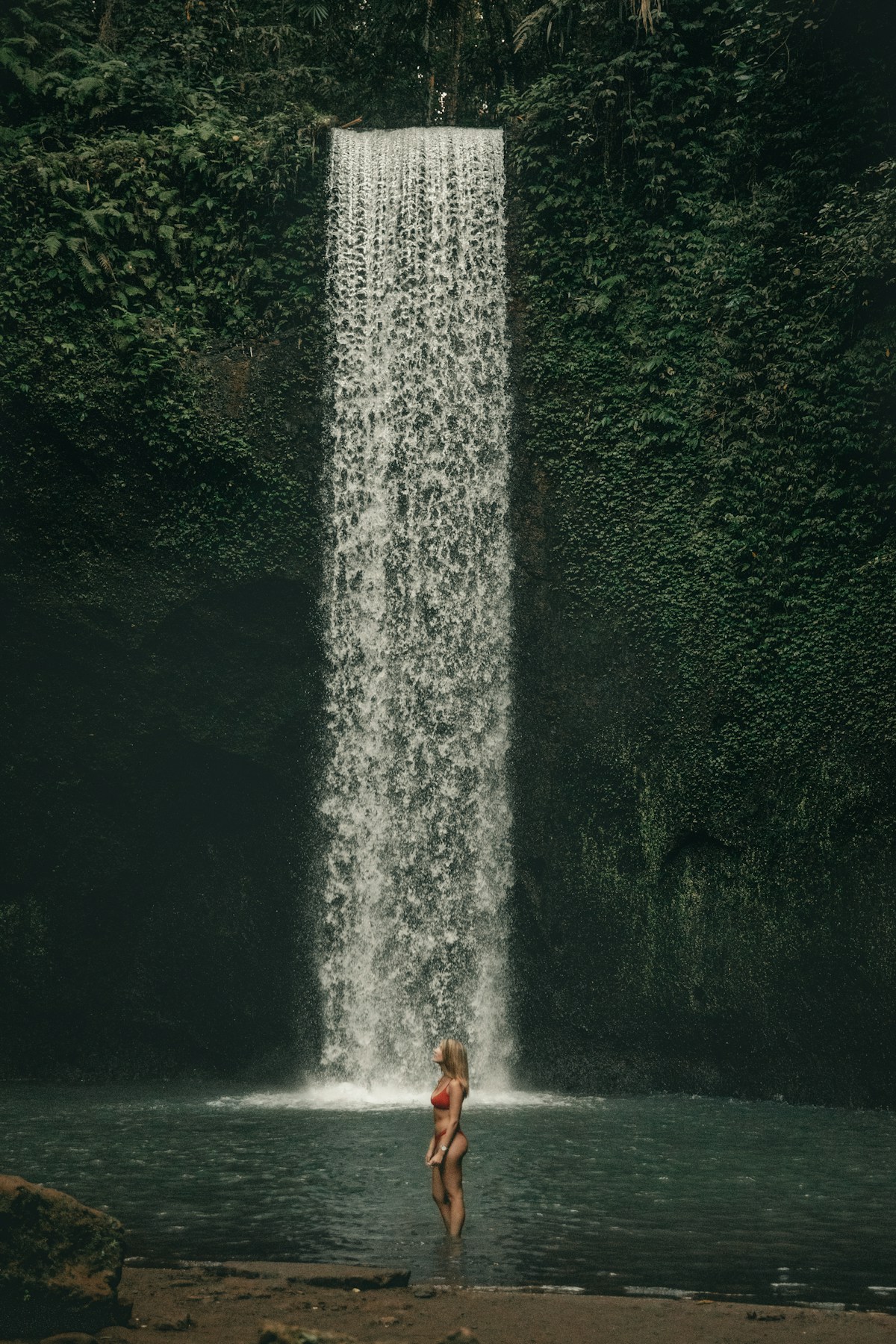
Munduk Waterfall (Air Terjun Munduk) - The most accessible of the local waterfalls, approximately 2 km from the village centre on a signed path through coffee and clove plantations. The walk takes around 30–45 minutes each way on a well-maintained path. Entry approximately IDR 20,000 as of 2026. The fall drops around 15 metres into a shallow pool; swimmable in the dry season. Most rewarding in the morning before day-tripper coaches from Lovina and Singaraja arrive.
Melanting Waterfall (Air Terjun Melanting) - A 35-metre fall around 3 km from the village, set deeper in forest than Munduk Waterfall and with fewer visitors on most days. Entry approximately IDR 15,000 as of 2026. The path from the road is steeper than the Munduk Waterfall trail; allow 45–60 minutes return. Reached via a plantation track that passes through active clove and coffee growing areas.
Git Git Waterfall (Air Terjun Git Git) - Located 12 km east of Munduk on the road toward Singaraja, Git Git is North Bali’s best-known waterfall and consequently the most visited. Entry approximately IDR 20,000 as of 2026. The main fall is approximately 35 metres; a series of smaller cascades are accessible further up the same trail. Arrive before 10am to avoid the peak coach-tour window.
Twin Lakes - Buyan and Tamblingan - Two crater lakes below Munduk on the road from the coast. Lake Tamblingan is the quieter and more intact of the two, with a forested shoreline and a small temple. Sunrise canoe hire is available at approximately IDR 50,000–100,000 per hour as of 2026. Lake Buyan is larger with a village on its shore. Both are visible from the road between Munduk and the coast and are commonly included in a single day’s driving circuit.
Munduk Coffee: Plantations and What to Expect
Munduk coffee is Arabica, grown at 800–1,100 metres in the volcanic soil of the Buleleng highlands - the elevation and geology that make North Bali’s highlands unusual for Indonesian coffee production, where robusta dominates at lower altitudes. The result is a mild, low-acid cup with gentle citrus and chocolate notes, distinct from the earthy body of Java robusta or the heavy Sumatran mandheling profiles. The harvest season runs approximately April to June; visiting during this window gives the best chance of seeing the full picking and wet-processing cycle.
Several plantation owners along the roads between Munduk village and the twin lakes (Buyan and Tamblingan) offer informal walking tours: a guide leads you through the coffee, clove, vanilla, and cacao crops, explaining the cultivation and showing the drying racks and processing shed before finishing with a tasting of fresh-brewed coffee. Prices are typically IDR 30,000–50,000 per person as of 2026 for the tour and tasting. Your accommodation can direct you to the nearest working plantation - most guesthouses have a standing arrangement with a local farmer.
Bags of locally produced Munduk Arabica (250g) sell throughout the village for approximately IDR 50,000–100,000 as of 2026, depending on roast level and processing. This is considerably cheaper than the same coffee exported through specialty importers. The coffee sold at roadside stalls is typically light-roasted by local standards; if you want a lighter filter roast, ask the plantation or your accommodation - some do custom light roasting on request.
The surrounding crop variety reflects the Dutch colonial origins of the Munduk plantation economy: cloves were originally the primary export crop; vanilla, cacao, and passion fruit were added over subsequent generations. Most of the clove trees visible on the hillsides are mature specimens dating to the early 20th century. Visiting in July–September, when the cloves are harvested and laid to dry on bamboo mats along the roadsides, adds a strong aromatic element to the village experience.
Hotels
Puri Lumbung Cottages - A long-established property in rice terrace and mountain-view grounds, with traditional lumbung (rice barn) style bungalows. From approximately USD 50 per night as of 2026. Family-run and well-regarded; guides for trekking and plantation walks are available through the property. Breakfast included.
Munduk Moding Plantation Nature Resort & Spa - The most polished accommodation in Munduk, set within a working coffee plantation with infinity pool, spa, and valley views from all rooms. From approximately USD 200 per night as of 2026. Suited to visitors who want the highland setting with full resort facilities; transfers from Bali airports can be arranged.
Sanak Retreat Bali - A newer boutique property with private villas and a pool, positioned on a ridge above the valley. From approximately USD 120 per night as of 2026. Quieter and more private than Puri Lumbung; a good middle option between budget guesthouses and the plantation resort.
Guesthouses and homestays - Several family guesthouses in the village offer basic rooms from approximately IDR 200,000 per night as of 2026. Standards are modest - cold water showers in some - but fine for a one-night mountain stop. The owner often serves as an informal guide to the local trails.
Restaurants
Warung Bamboo - A roadside warung on the main village road serving Indonesian standards: nasi goreng, mie goreng, ayam goreng, and fresh fruit juices. Approximately IDR 40,000–80,000 per person as of 2026. Fills quickly at lunchtime with visitors coming off the waterfall trails; arrive early or be prepared to wait for a table.
Café Alit - A small café near the village centre with a terrace and mountain views, serving coffee from local beans, pancakes, and simple Indonesian food. Approximately IDR 50,000–100,000 per person. The filter coffee here uses beans from the plantations visible from the terrace.
Resort Restaurants - Puri Lumbung and Munduk Moding Plantation both serve dinner to non-guests; call ahead to confirm availability. Munduk Moding’s restaurant has the most commanding views and a more elaborate menu; approximately IDR 150,000–300,000 per person for a full dinner.
Trekking Routes
Several half-day and full-day trekking routes leave from the village, covering the plantation network, the ridge above the twin lakes, and sections of the watershed forest above 1,000 metres. Guided treks can be arranged through most accommodation from approximately USD 20–40 per person as of 2026 depending on route length. Self-guided walks are feasible on the lower plantation trails where paths are clear; routes above the waterfall to the forest edge require a guide for navigation.
Getting Around
Within Munduk, most waterfall trails and plantation paths are walkable from the village centre. Scooter hire is available locally for approximately IDR 70,000–100,000 per day and is useful for reaching Git Git Waterfall or the twin lakes. The mountain roads are narrow, steep in places, and frequently misted over in the early morning; drive cautiously.
Best Time to Visit
Munduk is accessible year-round but the dry season (April–October) provides the best trekking conditions - clear paths, reduced leech activity, and a lower chance of mist blocking the views. The waterfalls run strongest just after the wet season (November–March) when the upper watershed is fully charged. July and August bring the most day-trippers from coastal resorts; arriving mid-week or staying overnight separates the experience from the coach-tour crowd.
Browse tours and day trips in Munduk - a half-day with a local guide is one of the most efficient ways to get oriented on arrival. For airport transfers into Munduk, Kiwitaxi offers fixed-price pickups from the main airports - no surge pricing and the driver meets you at arrivals.
More North Bali Guides
- Lovina travel guide - north Bali’s black-sand beach resort, 20 km north of Munduk
- Bali waterfalls - Munduk’s Melanting and Lamunan falls alongside Sekumpul and the best falls across Bali
- Bali coffee plantations - the highland coffee estates around Munduk and Bedugul: what to expect on a tour
- Rice terrace walks in Bali - Munduk’s terraced landscape alongside Jatiluwih and Tegallalang
- Bali island guide - how Munduk fits into a wider Bali itinerary covering the south coast and cultural interior
Book an experience
Top experiences in Munduk
Explore the best tours and activities in Munduk , with instant confirmation and free cancellation on most bookings.