Ende Travel Guide: Kelimutu Crater Lakes, Ikat Weaving
Ende is the gateway to Kelimutu's crater lakes in Flores. Sukarno's exile house, ikat weaving villages, flights from Bali, and accommodation options.
Guides for Ende
Search hotels in Ende on Booking.com
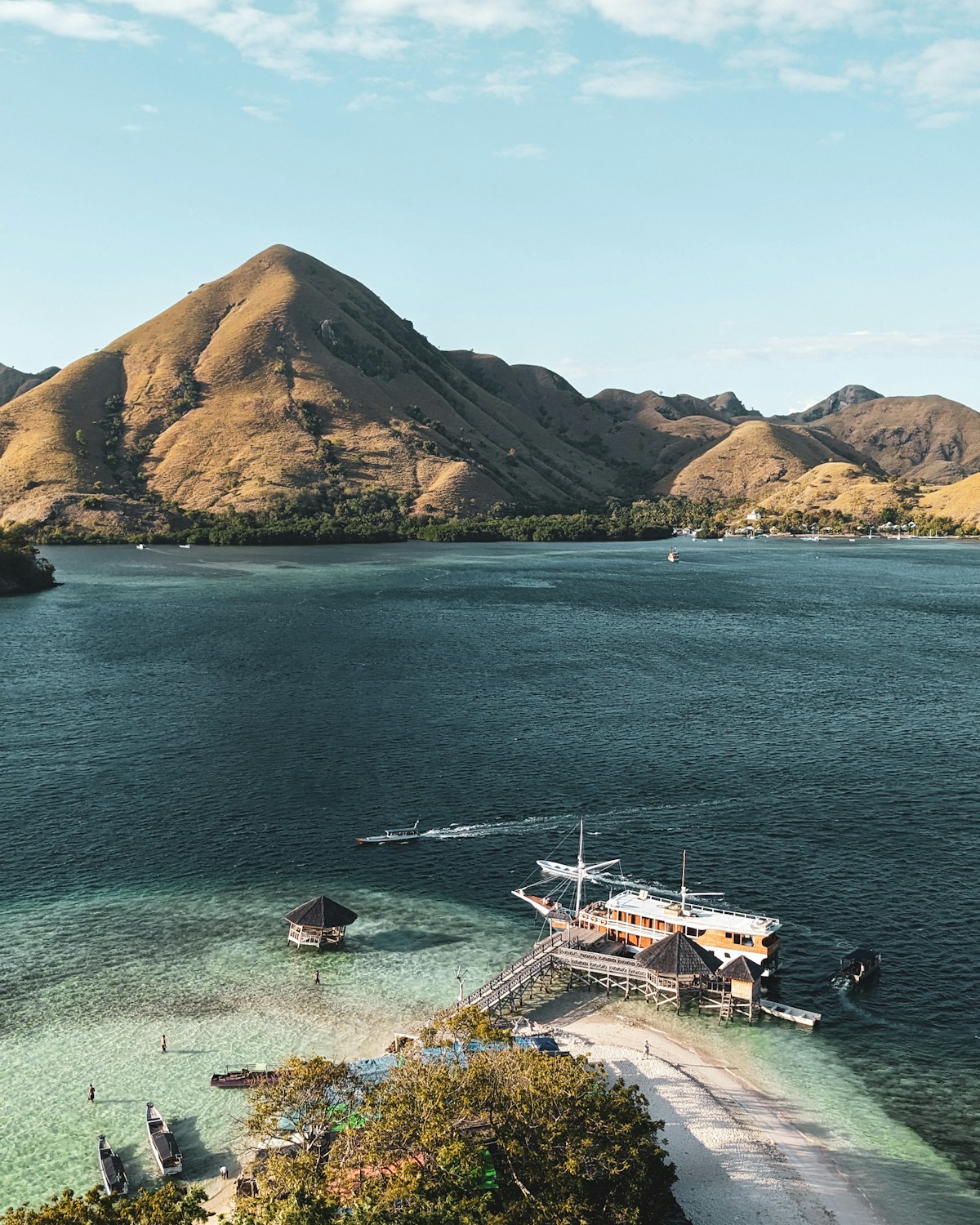
Ende is the largest town on Flores, the capital of Ende Regency, and the main hub for the island’s central section. It sits on a narrow strip of land between two bays - Teluk Ende to the south and the bay of Ipi to the north - hemmed in by two volcanic mountains, Gunung Iya and Gunung Meja. The town itself is functional rather than scenic, with a busy market, a port, and streets that feel more workaday than tourist. Its importance for visitors lies in what surrounds it: Kelimutu’s three-coloured crater lakes 27 km to the east are one of the most striking natural phenomena in Indonesia; the surrounding countryside holds some of the finest traditional ikat weaving in the country; and the town carries an unexpected piece of Indonesian history - it is where Sukarno, the country’s founding president, spent four years in Dutch exile.
Key Attractions
Kelimutu National Park - The main reason to spend time in Ende. Kelimutu volcano (1,639 m) holds three crater lakes at its summit, each a different colour and each changing hue over years and decades as volcanic chemistry shifts. As of 2026, the lakes have varied from turquoise to dark green to near-black at different times; no visit produces the same colour combination. Entry approximately IDR 150,000 for foreign visitors as of 2026, open 4am–5pm (the pre-dawn opening is specifically to allow sunrise access). The park is 27 km from Ende - approximately 45 minutes by vehicle. Most visitors take an organised sunrise tour departing Ende around 3:30–4am; tour operators and guesthouses in Ende arrange this for approximately IDR 200,000–350,000 per person including transport as of 2026. The crater rim walk connecting the three lakes takes approximately 1 hour and involves some elevation change on concrete paths.
Sukarno’s Exile House (Rumah Pengasingan Sukarno) - A modest Dutch colonial-era house in central Ende where the young Sukarno - not yet the president of anything, but already a nationalist leader considered threatening by the Dutch - was exiled from 1934 to 1938. The house has been preserved as a small museum with original furniture, photographs, and documents from the period. Entry is free or by donation; open approximately 8am–5pm Monday–Saturday. The house is a short walk from the town centre. It is an understated but genuinely interesting site for those interested in Indonesian independence history - Sukarno’s years in Ende included philosophical conversations with local Catholic priests that he later credited with shaping his thinking on Pancasila, Indonesia’s founding state philosophy.
Ende Market (Pasar Ende) - The central market is a working daily market where ikat textiles from surrounding villages are sold alongside fresh produce, fish, and household goods. This is the most accessible place to see and buy Ende-region ikat - woven on backstrap looms using hand-spun thread and natural dyes in some villages, with patterns specific to each weaving community. Prices for hand-woven pieces start from approximately IDR 200,000 for smaller items and can reach IDR 1,000,000–2,000,000 for large traditional sarongs, depending on the complexity of the work and whether it is machine or hand-woven as of 2026.
Wolotopo Village - An ikat weaving village approximately 10 km east of Ende near the coast, where Lio-style textiles are produced. The village is visually interesting in its own right - traditional thatched houses on a hillside above the sea - and the weavers work outdoors when conditions allow. No formal entry fee; a small donation is appropriate. Reachable by ojek from Ende for approximately IDR 30,000–50,000 each way.
Ende Bay - The bay south of the town provides a working port scene with fishing boats and occasional cargo vessels. The seafront promenade near the Pelabuhan Ende port is a reasonable place for an evening walk, with views of the volcanic peaks of Gunung Iya (which remains mildly active) across the water.
Hotels
Safari Hotel (mid-range) - One of the most established hotels in Ende, with clean air-conditioned rooms and a central location. Adequate for a one or two-night Kelimutu base. From approximately IDR 300,000 per night as of 2026.
Dwi Putra Hotel (budget-mid) - A straightforward guesthouse with basic rooms, shared common areas, and helpful staff who can arrange Kelimutu transport. One of the most commonly recommended budget options. From approximately IDR 200,000 per night as of 2026.
Basic homestays - Several family-run homestays operate in Ende, offering simple rooms and often breakfast included. From approximately IDR 150,000 per night as of 2026. These vary considerably in quality; checking recent traveller reviews before booking is advisable.
Restaurants
Warungs serving Flores fish curry - Ende’s most characteristic food is grilled and curried fish, reflecting the town’s coastal location and the Lio people’s food traditions. Several warungs near the market serve whole grilled fish (approximately IDR 30,000–50,000 per fish as of 2026) alongside Flores-style fish curry with local spices. Lunch is the main meal; most warungs open from 7am and are sold out by early afternoon.
Rumah Makan near the market - Several small restaurants around the Ende market serve standard Indonesian staples - nasi goreng, mie goreng, soto, and bakso - at approximately IDR 20,000–35,000 per dish as of 2026. These are reliable for a quick meal at any time of day.
Ende’s café scene - Flores has a growing specialty coffee reputation from its highland arabica beans, and Ende has a few cafés serving locally grown coffee. A cup of Flores arabica typically costs approximately IDR 15,000–25,000 as of 2026 - inexpensive for quality that competes with higher-profile Indonesian growing regions.
For hotel recommendations across all budgets, see our where to stay in Ende guide.
Getting There and Getting Around
By air from Bali - The standard approach for international visitors. H. Hasan Aroeboesman Airport (ENE) receives flights from Ngurah Rai Bali (approximately 1.5 hours) operated by Garuda and Wings Air, with some connections also via Labuan Bajo and Kupang. Fares from Bali start from approximately IDR 600,000–800,000 one-way as of 2026, varying with season and booking lead time.
By air from Labuan Bajo - Short regional flight of approximately 40–45 minutes; useful for combining a Komodo visit with an Ende trip. Fares from approximately IDR 300,000–500,000 as of 2026.
By bus along the Trans-Flores Highway - The Trans-Flores road connects Labuan Bajo in the west to Maumere in the east, passing through Ende. Buses cover Labuan Bajo to Ende in approximately 8–9 hours; Ende to Maumere in approximately 3.5–4 hours. This overland route passes through some of the most dramatic highland scenery in Flores and is an alternative to flying for those with time.
Within Ende - The town is walkable for the main central sites. Ojek motorcycles are available for IDR 10,000–25,000 for local trips as of 2026; hired motorbikes for IDR 80,000–120,000 per day are the best option for visiting Wolotopo or approaching Kelimutu independently.
Best Time to Visit
Ende is hot and humid year-round (27–32°C). The dry season (May–October) is better for the Kelimutu sunrise, as clear skies are more consistent. The wet season (November–April) can bring low cloud to the crater area, obscuring the view - it’s still possible to go but less likely to produce the full-colour lake views. July and August are the peak visitor months; May, June, and September are quieter while still dry.
Practical Tips
The Kelimutu sunrise tour requires an early start - a 3:30–4am departure from Ende gets you to the crater rim before dawn. Bring a warm layer even in the dry season; the crater rim is at 1,600 m and noticeably cool in the dark. Most guesthouses in Ende can arrange a driver for the trip. Ende’s airport is small and domestic connections occasionally face delays or cancellations on island-hopper routes - build in buffer time if you have an onward international connection.
Browse tours and day trips in Ende - a half-day with a local guide is one of the most efficient ways to get oriented on arrival. For airport transfers into Ende, Kiwitaxi offers fixed-price pickups from the main airports - no surge pricing and the driver meets you at arrivals.
Ende sits at the central junction of Flores island - refer to our full island guide for travel between towns and planning the Trans-Flores route west to Bajawa or east to Maumere.
More Flores Guides
- Flores island guide - the full Trans-Flores route from Labuan Bajo through Bajawa, Ruteng, Ende, and Maumere
- Kelimutu crater lakes - the complete guide to Kelimutu’s three-coloured lakes: timing, access, and what to expect at sunrise
- Bajawa travel guide - Ngada villages, Mount Inerie, and Flores’s highland cultural heartland, 3 hours west
- Maumere travel guide - the end of the Trans-Flores Highway: diving, beaches, and onward connections east
- 10-day Komodo and Flores itinerary - the full Trans-Flores route with Ende and Kelimutu included
- Komodo Island guide - combining Ende with a Komodo liveaboard or connecting flight to Labuan Bajo
Book an experience
Top experiences in Ende
Explore the best tours and activities in Ende , with instant confirmation and free cancellation on most bookings.