Alor is a destination you plan around the water, but the days between dives are not empty. The island sits at the eastern end of East Nusa Tenggara, between Flores and Timor, and Kalabahi is a working provincial town rather than a resort. This page covers what to do on land and on the surface; for dive sites, seasons and operators, see our Alor travel guide.
Dive and Snorkel Highlights
Most visitors come for the Pantar Strait, where tidal currents funnel between Alor and Pantar. Hammerhead sharks are most consistent between May and October, and the sand slopes at the macro sites hold mimic octopus, ghost pipefish and pygmy seahorses. On the north coast, mantas visit the cleaning stations at Mali Point from about April to October. Whale sharks turn up occasionally but cannot be promised.
The bay in front of Kalabahi is a muck-diving site despite sitting beside the port, with frogfish and pipefish on the sandy slopes. Dive operators often use it as a first dive to check gear and buoyancy. Snorkellers can ask operators about sheltered reef spots, since strait conditions are demanding.
Plan on dive packages through your operator, and book liveaboards ahead if you are combining Alor with Komodo or the Banda Sea. Browse Alor tours and diving trips to compare what is available.
Walk Kalabahi Market
The street market along Jalan El Tari sells fruit, fish and ikat, the hand-woven cloth Alor is known for. Patterns vary by village, and you can ask sellers which weaving community a piece comes from. Bring small notes: the market is cash only. It is best in the morning, when fishing boats have unloaded at the port.
Visit a Highland Village
Highland Alor keeps traditional ceremonial architecture and drum festivals that see almost no tourist attention. Visits are arranged through dive operators or guesthouses, and a guide is the sensible route because roads are rough and customs differ from Bali or Lombok. The population is predominantly Protestant Christian, with some animist practice still observed in the hills. Ask before photographing people, and bring a small gift or make a donation to the village.
Spend an Afternoon on the Waterfront
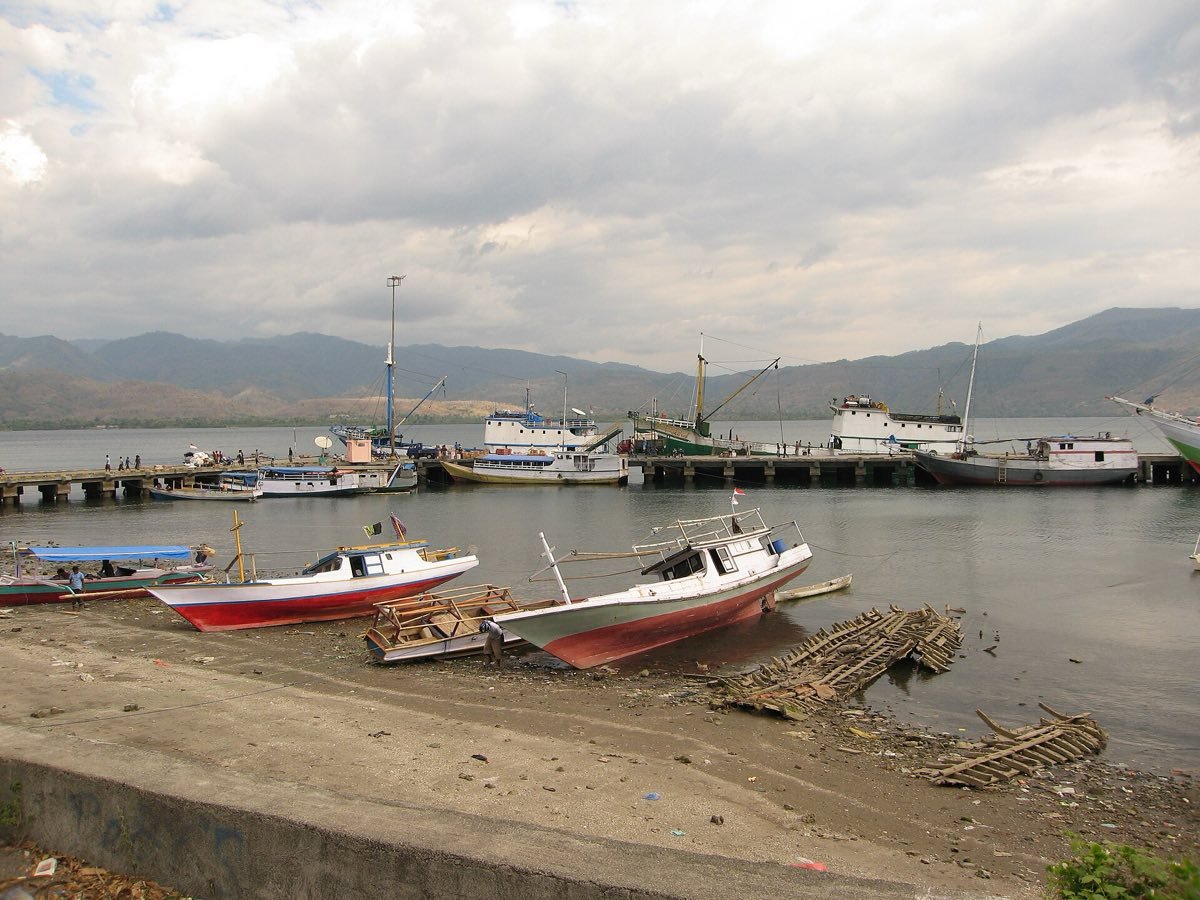
The port at Kalabahi is a working harbour of inter-island wooden ships and small boats. A short walk at the end of the day shows how goods move around eastern Indonesia, and you will see Pelni and cargo vessels alongside fishing boats. It is not polished, but it is the clearest picture of local life you will get in town.
Suggested Plans
Two to three days: Dive the bay on arrival, take a strait day trip on day two, and use the afternoon for the market. Five days or more: Add a highland village visit and a north-coast day for mantas. Liveaboard trips: Most circuits of seven to ten days start in Maumere or Kupang, so confirm your embarkation port before booking flights.
Getting There and Where to Stay
Wings Air flies Kupang to Kalabahi on small turboprops in about 45 minutes, a few times a week, so confirm schedules and book early. Kupang has direct connections from Bali, Jakarta and Makassar. Accommodation is limited to a few dive-focused properties and basic guesthouses, and our where to stay in Alor page explains the options. For a wider route, see the Maumere guide if you are crossing Flores first.
When to Go
April to November is dry and calm, with July and August the busiest months, though Alor never feels crowded. December to March is rougher: the strait sites are often too exposed to run. For general planning information, see the official Indonesia tourism site{target=“_blank”}.
Practical Tips
Pack reef-safe sunscreen, a dry bag and any dive gear you cannot rent, since choices in Kalabahi are limited. Phone signal is patchy outside town, so download offline maps before you fly. Eat where the dive operators recommend, as restaurant options are few and mostly cash only. Schedules for Wings Air change by season, so reconfirm your return flight two days ahead, and keep a buffer day before any international connection. Respect village customs: ask permission before entering ceremonial areas, and avoid photographing rituals unless invited.
Photo: Mujiono Leo / Wikimedia Commons, CC BY-SA 3.0.