Snorkelling in Indonesia: Best Spots for Beginners & Beyond
Book an experience
Book this activity
Lock in your preferred date. Prices shown are per person — free cancellation on most bookings.
Indonesia sits at the heart of the Coral Triangle, the global centre of marine biodiversity. More coral species, fish species, and invertebrates are found in Indonesian waters than anywhere else on earth. You do not need scuba certification to see extraordinary marine life here — in many of the best spots, the reef begins in shallow water accessible by snorkel.
Gili Islands
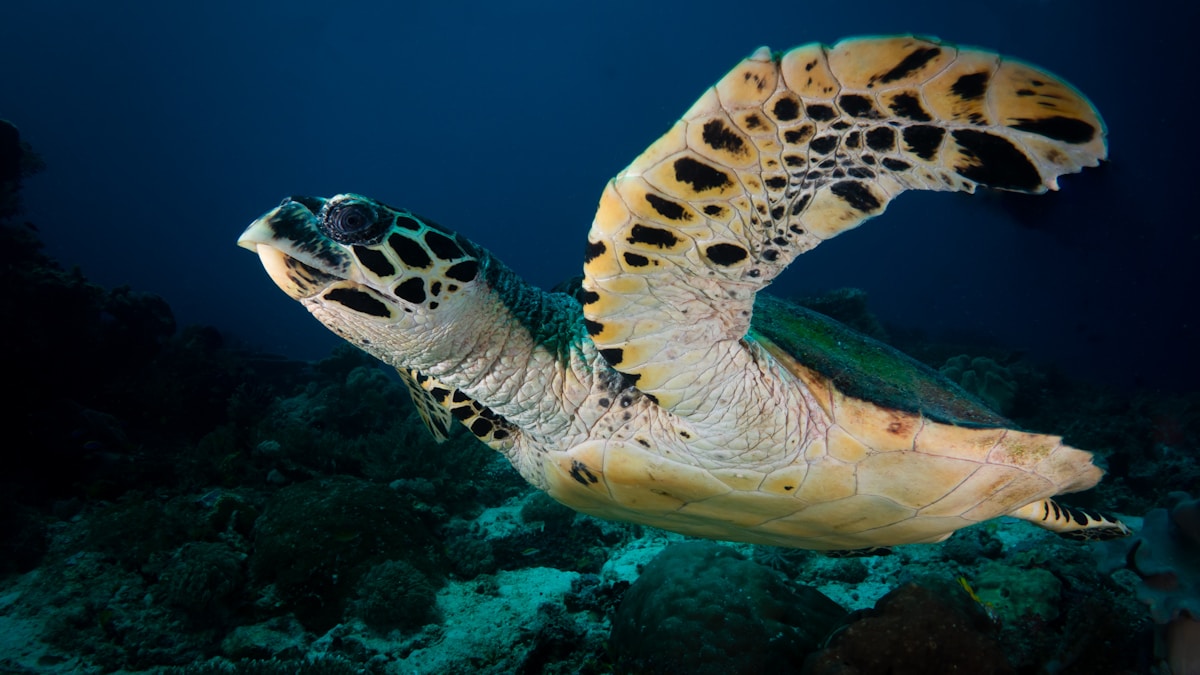
The three Gili Islands (Trawangan, Meno, and Air) off northwest Lombok have become the best-known snorkelling destination in Indonesia for good reason. Turtle Point — located off the northeast corner of Gili Trawangan and also near Gili Meno — is almost guaranteed to produce close-up encounters with green and hawksbill turtles. They are habituated to snorkellers and often rest on the reef below.
Mask and snorkel hire from beach shacks runs approximately IDR 50,000 per day. For the best experience, bring your own mask — hire equipment is often poorly fitting and will fog. The reef begins close to shore so no boat is required for turtle encounters.
Nusa Penida
Nusa Penida, an island 45 minutes by fast boat south of Sanur (Bali), offers two exceptional snorkelling experiences that are harder to find elsewhere in the world.
Manta Point produces regular encounters with oceanic manta rays year-round. The mantas aggregate near a cleaning station off the southwest coast. Boat trips from Crystal Bay or Toyapakeh typically run approximately IDR 350,000–500,000 per person including snorkel equipment and guide. The best conditions are at incoming tide, when mantas circle the cleaning station methodically and can pass within a metre of snorkellers.
Crystal Bay is Nusa Penida’s other landmark site. The reef here holds sea turtles, reef sharks, and, in season (July to October), occasional mola mola (ocean sunfish) sightings in the deeper water — though mola mola are primarily a scuba dive experience.
Note that currents around Nusa Penida can be strong and unpredictable. Never snorkel alone here, check conditions with your boat operator before entering, and follow guide instructions about when to exit the water.
Komodo National Park
The waters around Komodo and Rinca islands in the Flores Sea are biologically exceptional — cold upwellings mix with tropical reef conditions, producing an unusual density of large marine life.
Pink Beach (Pantai Merah) has accessible coral gardens a short swim from shore. Komodo boat tours from Labuan Bajo typically include a stop here as part of a day or multi-day liveaboard itinerary. Boat tours start from approximately IDR 500,000–800,000 per person for a day trip; multi-day liveaboards from approximately USD 80–200 per person per night.
Manta Alley (on the south coast of Komodo Island) is reliably good for manta encounters year-round, similar to Nusa Penida’s Manta Point.
Raja Ampat
Raja Ampat, in West Papua, is widely considered the richest marine environment on earth. Even house reef snorkelling directly from homestay jetties can produce extraordinary encounters. Walking sharks (epaulette sharks) are frequently seen shuffling across the reef in shallow water — harmless and extraordinary to watch. The reef condition in Raja Ampat is markedly better than most other Indonesian destinations because the area is relatively remote and strictly regulated.
Homestays on Kri, Gam, and Mansuar islands all have productive house reefs accessible without a boat. Snorkel gear hire is available at most homestays for approximately IDR 50,000–100,000 per day, but gear quality is variable — bring your own if you are travelling specifically for marine life.
Raja Ampat is a multi-day destination: it requires a flight to Sorong, then a ferry (approximately IDR 150,000–200,000) or speedboat to Waisai, then onward travel by boat to the islands. Factor in at least 5–7 nights to justify the journey.
Karimunjawa
Karimunjawa is a cluster of 27 islands in the Java Sea, 90 kilometres north of Semarang. It sits outside the typical tourist route but is an easy weekend trip for travellers based in Java. The coral is largely intact, the water is clear, and day trips from the main island cover several snorkel sites for approximately IDR 200,000–350,000 per person. Access from Semarang is by ferry (approximately 6 hours by slow boat or 2.5 hours by fast ferry) or by a short flight.
Bunaken
Bunaken National Marine Park off the north coast of Sulawesi (near Manado) is a legendary dive destination that also works well for snorkelling. The walls drop away sharply from the surface, meaning the top sections of enormous coral walls are snorkellable. Daily park entry is approximately IDR 150,000. Snorkelling day trips from Manado run approximately IDR 300,000–500,000 per person.
What to Bring
Mask and snorkel: Bring your own if possible. A silicone-sealed mask that fits your face correctly makes an enormous difference to the experience. Budget mask-and-snorkel sets are available in Bali, Lombok, and most dive towns for approximately IDR 150,000–300,000.
Reef-safe sunscreen: Conventional sunscreen (containing oxybenzone and octinoxate) damages coral. Reef-safe mineral sunscreens are available in Bali and Lombok for approximately IDR 80,000–150,000. Several snorkelling areas in Komodo and Raja Ampat ask guides to enforce reef-safe sunscreen use.
Rash guard: More effective than sunscreen for extended time in the water and kinder to the reef. A basic long-sleeve rash guard can be bought locally for approximately IDR 100,000–200,000.
Underwater housing: Entry-level GoPro housings allow basic video and are widely available. For smartphone underwater photography, a dry bag case works reasonably well in calm conditions.
Safety Basics
- Never snorkel alone in open water — always have a buddy or a boat nearby
- Current conditions in Komodo, Nusa Penida, and Lombok Strait can be severe — ask your guide every time, not just once
- Never touch coral, rest on it, or kick it — the ecosystem recovers slowly and some corals can cut skin badly
- Do not chase, ride, or block marine life — observe from a respectful distance, particularly mantas and turtles
Ready to explore?
Browse hundreds of tours and activities. Book securely with free cancellation on most options.
Browse on GetYourGuide →We may earn a small commission — at no extra cost to you.